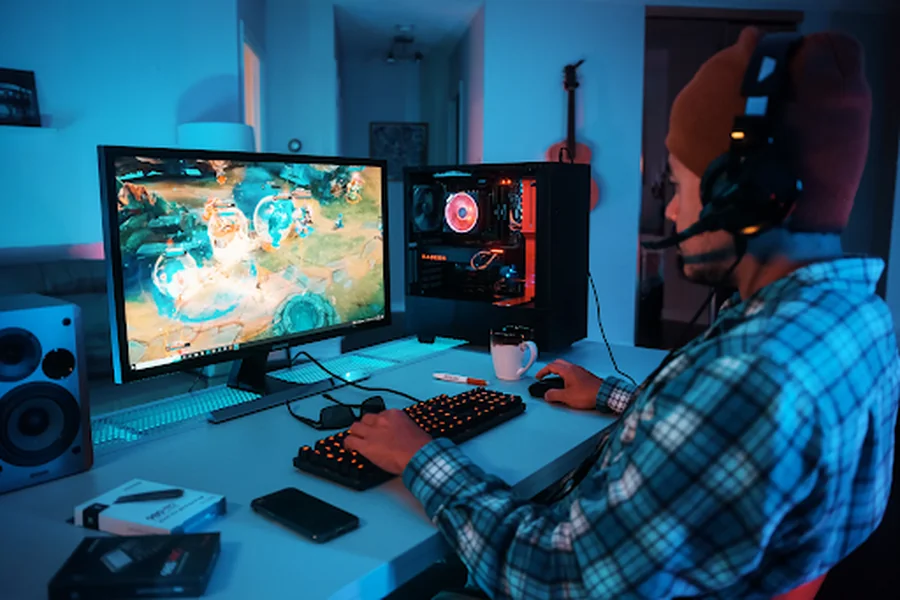
Getting friends into an online game used to take some patience. One person couldn’t connect, another had the wrong version installed, and someone inevitably had to restart their computer. When everyone finally made it into the same match, that felt like a small achievement.
Today, joining a game can be as simple as accepting an invitation on your phone. But easier access is only part of the story. Online gaming has changed how people spend time together, discover new games, and even enjoy watching other people play.
From Slow Connections to Shared Worlds
Early online multiplayer often depended on a home computer, a decent internet connection, and a willingness to put up with delays. In fast-paced matches, a moment of lag could mean losing before you had time to react. Finding a server and getting a group connected weren’t always straightforward either.
As internet connections improved, games could support more ambitious shared experiences. Instead of joining a match and leaving when it ended, players could return to persistent online worlds, meet familiar people, and pick up where they left off. The game continued to feel like a place rather than a single session.
That was a big change in what people expected from gaming. Competing was still fun, but exploring together, cooperating on difficult tasks, or simply seeing who was online became reasons to log in too.
More Games, More Ways to Find Them
Online gaming no longer refers to one particular kind of experience. Some people enjoy quick browser puzzles, others prefer long cooperative adventures, and plenty switch between different games depending on how much time they have. The internet has made room for all of them.
Even familiar forms of entertainment have found new digital homes. Traditional card and table games, for instance, now exist alongside puzzles, multiplayer adventures, and other interactive experiences on the web. For eligible adults in permitted locations, that range also includes a real money online casino, where familiar casino formats are offered through digital platforms rather than at a physical venue.
How people get their games has changed as well. Digital storefronts let players download titles directly, and developers can release new features after launch. A game might gain a new map or mode months later, which gives people a reason to return.
Of course, updates aren’t always universally loved. Sometimes a change improves an old favorite; other times, players spend a week figuring out where a familiar setting went. Either way, buying a game doesn’t necessarily mean its experience will stay frozen in time.
Playing Together Without Keeping Score
An online game doesn’t have to be competitive to bring people together. A group might start a cooperative building project, spend an hour deciding what to make, and finish with very little actual building done. The conversation was half the point.
That kind of casual time together matters when friends live in different cities or have busy schedules. Shared worlds give them somewhere to meet without organizing a formal call or planning a night out. Some games also offer creative spaces and community events where the goal isn’t to beat another player.
Not everyone wants that, naturally. There are still people who prefer a solo challenge or a short competitive match. What’s changed is that online gaming can accommodate different moods, rather than expecting everyone to play in the same way.
Watching Games Became Entertainment Too
Watching a friend play once meant sitting next to them and waiting for a turn. Now viewers can follow live broadcasts, watch tournament highlights, or catch a funny moment from a game they haven’t tried themselves.
For some audiences, the creator matters more than the title on screen. People return for familiar jokes, conversations in the chat, and the sense of recognizing other regular viewers. A stream can become a weekly habit even when the game changes.
Recorded gaming videos have developed their own style, too. Creators often use video editing techniques to turn long sessions into shorter highlights, adding captions, commentary, and a bit of pacing. That work can make a chaotic multiplayer moment understandable to someone who wasn’t there.
The relationship goes both ways. Someone watches a clip, decides to try the game, and later shares their own experience. Gaming culture now extends well beyond the time people spend holding a controller.
Mobile Gaming Fits Into Ordinary Days
A phone changes when a game can happen. Instead of waiting until you’re home at a desk, you can play a few minutes while waiting for a ride or pick up a longer session on the couch. The same person might enjoy both, depending on the day.
Designing for a touchscreen brings its own challenges. Menus need to fit smaller displays, controls have to work without a keyboard, and some games need to make sense in shorter bursts. Others aim for longer sessions and offer surprisingly involved multiplayer features.
Mobile access isn’t automatically a better experience, though. Tiny buttons, crowded screens, and a weak connection can get frustrating quickly. Good mobile design takes more than shrinking a desktop game to fit a phone.
What’s Changing Next?
Cloud gaming is one development already changing the options available to players. In supported services, a game runs on remote hardware and sends video to the player’s screen. That can make demanding titles accessible on devices that couldn’t run them locally, although connection quality still makes a difference.
Cross-platform play tackles another everyday problem: friends don’t always own the same console or computer. When a game supports it, they can join each other without needing identical equipment.
Neither idea will replace every traditional way of playing. Some people want a game they can enjoy offline, while others prefer a dedicated console. The future will probably include several approaches living alongside one another, much as it does now.
More Than a Game Session
Online gaming has become easier to access, but its bigger evolution is social. People meet in shared worlds, watch creators, swap clips, and find games that fit the time they have. The technology behind those experiences will keep changing, while the reasons people come back may stay surprisingly familiar.