Modern cars exchange information constantly. Navigation, connected apps, digital keys, cloud services, and driver-assistance systems all depend on data. This makes privacy an automotive issue rather than something limited to phones and computers. Drivers now interact with technologies that can collect information both inside and outside the vehicle.
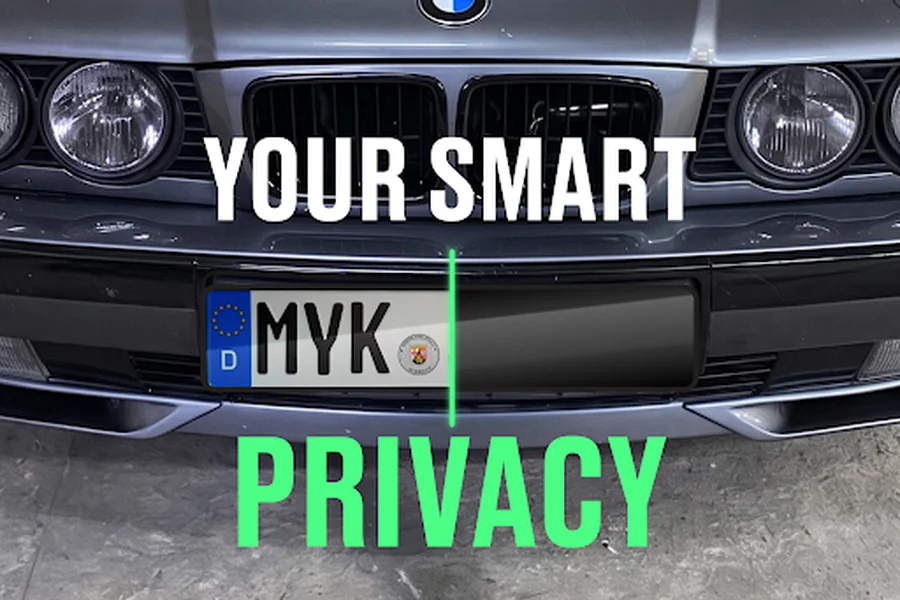
A black out plate cover adds a physical dimension to this discussion. Alite Blackout is an electronically controlled system for the license plate area. It shows how privacy-related automotive technology can involve not only digital information, but also control over what remains visually accessible on the vehicle itself.
Privacy Starts Inside the Car
Many modern vehicles operate like connected devices. Navigation systems process location data, mobile applications communicate with the car remotely, and personalized driver profiles can store preferences and usage information.
Convenience is the main reason these functions exist. A driver can locate a parked car, prepare the cabin before a journey, plan a route, or check vehicle information from a smartphone.
At the same time, understanding what information each service uses has become part of responsible vehicle ownership. Privacy settings are now worth reviewing in much the same way as safety or connectivity settings.
Not All Vehicle Information Is Digital
Some information does not need to be transmitted by the car to become accessible. Exterior identifiers can be observed directly by people, cameras, parking equipment, or other optical systems.
Vehicle privacy can therefore involve several areas:
- connected accounts and applications;
- stored navigation information;
- location and trip history;
- access permissions for digital services;
- information visible on the vehicle exterior.
This distinction matters because software settings only control the digital side. They cannot determine what an external camera can physically see.
Alite Blackout Adds a Physical Layer
Alite Blackout approaches visibility at the vehicle itself. Its panel is installed in front of the license plate and can operate in different visual states.
When transparent, the number remains visible through the panel. When the system is activated, the surface becomes dark and blocks direct visibility of the plate, including from cameras.
This makes the product different from privacy controls found in an infotainment menu. It does not manage stored information or network permissions. Its function exists entirely at the physical point where the vehicle can be visually identified.
Drivers Are Gaining More Control
The growing amount of technology in cars has created a new responsibility for drivers: understanding what is connected, what is shared, and what remains externally visible.
That may involve checking app permissions, removing old user profiles before selling a vehicle, controlling access to connected services, or paying closer attention to physical identifiers.
Automotive privacy is therefore becoming a combination of digital awareness and physical control. Alite Blackout represents one specialized example of the second category. As vehicles become more connected, privacy will increasingly depend on understanding both the data a car produces and the information it displays to the world.
Drivers are gaining more control as modern car technology gives them greater access to vehicle settings, safety features, connectivity, and personalized driving options. These innovations help drivers manage their vehicles more efficiently while improving comfort, convenience, and overall road awareness.