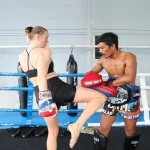
A holiday in Thailand has a reputation for beaches, temples, and street food. It can also be a chance to learn one of the country’s oldest sports. Every year, thousands of travelers book a stay that mixes sightseeing with Muay Thai training, and many of them arrive worried that they have to choose between rest and discipline. They do not. Thailand welcomed more than 28 million international visitors in 2023, and a growing share of them build their trip around a camp stay in Chiang Mai, Phuket, or Bangkok. The trick is pacing.
Why a Training Holiday Makes Sense in Thailand
Thailand is one of the few countries where world-class coaching is affordable and accessible to beginners. A single Muay Thai training session at a mid-range camp costs between 400 and 800 baht, roughly 12 to 24 US dollars. Monthly rates often drop that to a third of the price. Compare that to a private boxing coach in Europe or North America, where a single hour can cost the same as a week of training in Chiang Mai. The value is real, and it is why so many travelers return home with gloves in their suitcase.
There is also the cultural dimension. Muay Thai training in Thailand is not just exercise. It is a window into how Thai people approach discipline, respect, and patience. You will learn the wai kru ritual, you will hear the trainers speak about control, and you will see children training seriously at 8 years old. That experience does not exist in a fitness class back home.
Choose the Right Camp for a Holiday
Not every camp is designed for short stays. Some are fight camps where residents train twice a day for months. Others cater to visitors who want a taste of the sport without the pressure of a competition schedule. Before booking, ask these questions:
- Does the camp offer single sessions or only weekly packages?
- Are beginners grouped separately from fighters?
- Is there a shower, a place to store gear, and drinking water on site?
- What is the ratio of trainers to students during pad work?
- Is the camp within walking distance of your hotel?
The answers matter more than the price. A tourist who trains at the right camp leaves with better technique and better memories than one who booked purely on reputation.
Build the Rest of the Trip Around the Camp
The most common mistake travelers make on a Muay Thai training holiday is overbooking. Two sessions a day sounds heroic on paper and feels punishing by day three, especially in the heat of March and April. A safer plan looks like this:
- Train once a day for the first three days.
- Add a second session only if you are sleeping well and eating enough.
- Book one full rest day per week with no training at all.
- Schedule your biggest sightseeing days around rest days, not around morning sessions.
That structure gives you the holiday you came for without sacrificing progress in the ring.
What to Pack and What to Leave Behind
You will need very little. Most camps provide gloves, shin guards, and hand wraps for a small fee, but serious students buy their own once they commit to more than a week. Bring loose shorts, a towel, a refillable water bottle, and sandals that slip on easily. Leave behind the temptation to pack heavy training shoes, because most Muay Thai training in Thailand is done barefoot. Many travelers also appreciate facilities that promote sustainability and responsible tourism, such as Chalong Muay Thai with environmental concern , where small choices can help reduce waste during a long training stay.
One thing worth bringing is a small notebook. Trainers repeat the same corrections for a reason, and writing them down after each session speeds up your learning more than any video course.
Balance Is the Whole Point
The best training holidays are not the most intense ones. They are the ones where training and travel reinforce each other. You train in the morning, you eat a proper Thai lunch, you rest, you walk somewhere new, and you sleep early. By the end of the week, you are stronger, calmer, and more familiar with the country than most tourists ever become. A holiday built like this is not a compromise between fun and effort. It is the version of both that travelers remember longest.