The front desk shapes a patient’s experience long before any exam happens. Early moments that lead to smooth check-ins decide whether a person feels welcomed or overlooked
Even as clinics bring in new tools to help manage calls and scheduling, the receptionist remains the anchor. Technology can support the flow, but people create trust. Systems like Newton AI work quietly in the background, yet the receptionist is still the first human patients lean on.
These five touch points matter more than most realize.
1. The First Hello Sets Everything in Motion
The first few seconds of a call or walk-in often carry more weight than the rest of the conversation. Patients might be anxious about a procedure. They might be embarrassed about a dental issue. Some arrive already uncomfortable because their pain has been building for days.
A good receptionist slows the moment down. A warm greeting. A tone that feels steady instead of rushed. A brief pause that shows they’re giving the patient full attention.
2. Listening for What Isn’t Said
Patients rarely describe their needs directly. Some talk around the problem. Others hesitate. Many call with a simple question but really need reassurance.
The receptionist listens for the quiet details. A breath that sounds tight. A pause before answering. A shaky tone from someone nervous about their first cleaning in years.
This kind of listening guides the next step. It shows the patient they’re being heard. When clinics blend this skill with supportive tools like Newton AI handling routine prompts, the receptionist has more time to notice these small things that software can’t catch.
3. Making Check-In Feel Easy, Not Clinical
Check-in can go two ways. It can feel like paperwork and moving parts, or it can feel like a smooth start to the visit.
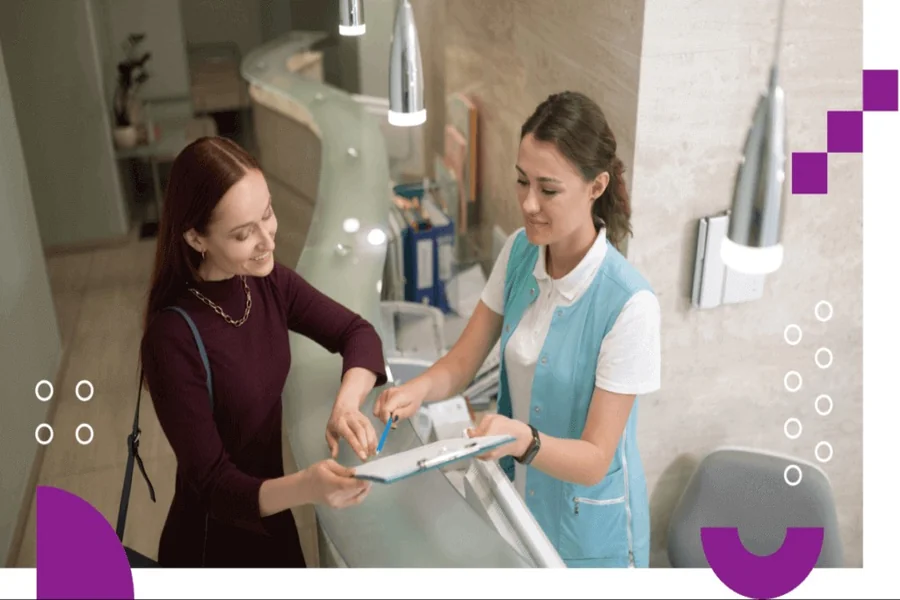
A strong receptionist keeps it simple. They guide patients through forms without overwhelm. They step in when someone looks unsure. They explain short details instead of handing over a stack of instructions.
If the clinic uses digital check-ins or automated confirmations, the receptionist still acts as the comfortable bridge. Technology handles the structure. The receptionist keeps it personal.
4. Preparing Patients for What Comes Next
Uncertainty builds tension. Most patients want to know what will happen once they hand over their forms or take a seat. A receptionist who gives a quick outline of the next steps reduces that stress immediately.
It doesn’t take a speech. Just a simple explanation.
Small cues bring comfort. They make the environment feel predictable, even when the patient is worried about the actual treatment. People settle in more easily when they know what’s coming.
According to this professional dentist in Fairfield NJ, this transparency also fosters a sense of mutual respect and efficiency within the practice. When clinical staff and administrative teams align to keep individuals informed, it builds a reliable foundation of trust that carries over into the treatment chair, ensuring a much smoother and more relaxed dental experience overall.
5. Ending the Visit With Clarity and Care
The final moments of a dental visit shouldn’t feel rushed either. This is where patients decide whether they’ll return.
A receptionist makes the difference by:
- reviewing the next appointment calmly
- explaining costs or coverage without confusion
- checking if the patient has lingering concerns
- sending them off with the same warmth used at the beginning
If automation handles reminders, follow-up messages, and digital receipts, the receptionist gets more space to do this part well. A clear, kind exit makes the whole visit feel complete.
Why These Touch Points Matter More Than Ever
Dental clinics are busier now. Schedules fill quickly. Phone lines stay active. Staff juggle more tasks than before. Tools like Newton AI help manage the background noise, but they don’t replace human connection. They simply give the receptionist breathing room to focus on what patients feel instead of rushing from task to task.
A good receptionist doesn’t just run the front desk. They guide the flow of the entire clinic. They shape how safe a patient feels walking into a dental setting that often triggers nerves. They are the steady voice, the friendly first look, and the calm final moment before the door closes.
When these touch points stay consistent, patients return. They trust the process. They trust the people. And that trust becomes the quiet strength behind every successful clinic.