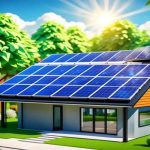
Solar-powered security cameras are an innovative solution for monitoring remote areas without the need for extensive wiring. They harness the sun’s energy, converting it into electricity to power the camera system. However, a common concern is whether these cameras can continue operating throughout the night when there is no sunlight. Since security cameras are crucial for crime prevention and evidence gathering, reliable nighttime functionality is vital. This requires a system that can store enough solar energy to work efficiently in the dark. Balancing power storage capabilities with energy-efficient features is key to ensuring continuous functionality. Fortunately, advances in solar technology, battery storage, and night-vision capabilities are making it possible. Understanding how these systems work and what factors impact their performance can help you maximize their effectiveness.
How Solar-Powered Security Cameras Work
Solar panels capture daylight energy
Solar-powered security cameras rely on photovoltaic panels to capture sunlight and convert it into electrical energy. These panels are typically mounted on or near the camera housing, positioned to maximize sunlight exposure. During daylight, solar cells absorb photons, generating an electric current through the photovoltaic effect. This electricity charges the camera’s integrated batteries, ensuring power availability even when direct sunlight is unavailable. The efficiency of energy capture depends on the quality and positioning of the solar panels, making it essential to consider the camera’s placement to optimize energy absorption.
Rechargeable battery storage for night use
To function effectively at night, solar security cameras use rechargeable batteries to store surplus energy collected during the day. These batteries, often lithium-ion or lithium-polymer, retain the charge needed to power the camera after the sun sets. The camera system automatically switches to battery power at night and during cloudy periods, drawing stored energy to maintain functionality. The duration of battery power depends on storage capacity and the camera’s energy consumption rate. Premium cameras feature advanced battery management systems to optimize power use and extend operational time, ensuring minimal disruptions in surveillance.
Do They Actually Work in the Dark?
Night vision modes and power draw
Solar security cameras often come equipped with night vision capabilities to capture images and video in low-light conditions. Common technologies include infrared LEDs that illuminate the camera’s field of view. While night vision enhances security during darkness, it requires additional power. Therefore, efficient management of power draw is crucial to maintain camera operation overnight. Some models offer adjustable settings to balance visibility and energy consumption, allowing users to optimize performance based on specific security needs.
How long battery lasts on stored charge
The battery life of a solar security camera during nighttime depends on the capacity and power consumption settings. Quality batteries can typically support several hours of continuous operation in the absence of sunlight. However, many factors influence how long a battery lasts, such as the use of power-hungry features and ambient temperature. Monitoring battery levels and adjusting settings to conserve energy can prolong nighttime operation. Producers recommend setting up alerts to notify when battery levels are low, ensuring proactive measures can be taken to sustain camera function.
Key Factors That Affect Overnight Operation
Battery capacity and quality
The battery is crucial for any solar-powered camera’s overnight operation. High-capacity and high-quality batteries store more energy, offering extended operation periods after dark. Lithium-ion batteries are popular due to their durability and efficiency. Purchasing cameras with superior batteries can significantly increase their reliability. Regular maintenance, such as monitoring for wear and tear or degraded performance, is necessary to ensure longevity and efficacy.
Solar panel orientation and sun exposure
Maximizing sun exposure is vital to charging camera batteries effectively. Solar panels must be correctly oriented, ideally facing south in the northern hemisphere and north in the southern hemisphere, to capture maximum sunlight. They should also be installed at an angle corresponding to the local latitude. Obstructions like trees or buildings can significantly reduce energy capture; hence, placing the panels in an open space free from shadows throughout the day ensures better performance.
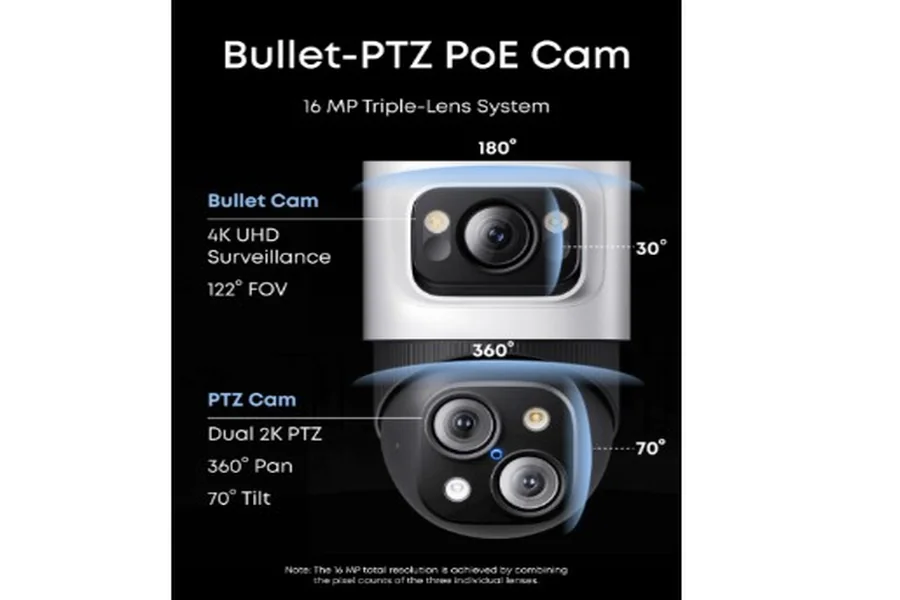
Power-hungry features (e.g. color night vision, spotlight)
Advanced features like color night vision and integrated spotlights demand more power, which could deplete the battery faster. While these options enhance security coverage and image quality, they come with increased energy usage, potentially limiting overnight operation. It’s essential to balance these features with power availability. Opting for adjustable or programmable settings to activate them only when necessary can conserve battery life. Prioritizing critical features over aesthetic ones is key to optimizing night-time functionality.
Real-World Examples & Case Studies
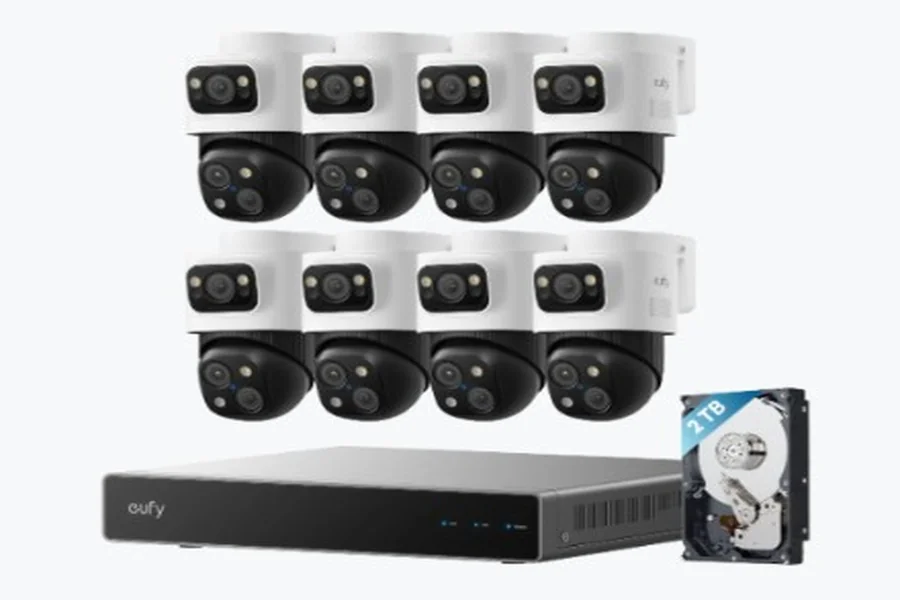
eufy’s solar-enabled outdoor security models (refer to eufy collection)
eufy offers solar-enabled outdoor security cameras that aim for optimal performance day and night. Their models come equipped with high-efficiency solar panels and robust battery systems, extending operating time without frequent manual charging. Users praise eufy cameras for ease of installation and consistent performance in various weather conditions. eufy’s adaptive energy management system helps maintain power reserves, ensuring seamless operation through nights and periods of inclement weather.
Users’ reported performance in low-sun regions
Many users in low-sun regions have found solar security cameras reliable for overnight surveillance. Reports highlight positive experiences in regions with less sunshine due to advanced energy storage and consumption management features available in many modern models. In such locales, investing in larger capacity batteries and more efficient solar panels can provide better results. Additionally, supplemental charging options, such as external charging packs, can support camera function, especially during winter months with fewer daylight hours.
Tips to Ensure All-Night Functionality
Position panels for maximum exposure
Ensure your solar panels have maximum sun exposure by carefully analyzing the installation location. Clear any obstructions like branches or awnings. Positioning the panels in a southerly direction for the northern hemisphere maximizes energy capture. Adjust to ridges or tilts for optimal light absorption based on geographic latitude. Reevaluate and reposition periodically to address seasonal changes in sun angles.
Use energy-saving features
Many cameras offer power-saving settings, like reduced-resolution recording during inactivity or auto-sleep modes. Tailoring these settings to diminish power consumption during non-critical times extends battery life. Utilizing motion-activated recording will help conserve power without missing crucial footage.
Monitor battery health & firmware updates
Regularly checking battery status can identify potential issues before they affect performance. Performing updates on firmware or software optimizes camera functionality and addresses power management improvements. Tracking manufacturers’ recommendations for maintenance ensures the system operates smoothly and efficiently over its lifespan.
Conclusion
Solar-powered security cameras present a viable solution for continuous surveillance, provided they are installed and maintained adequately. With efficient solar panels, high-capacity batteries, and smart energy management, these cameras are capable of operating all night. Factors such as solar exposure, battery health, and the extent of power-demanding features determine the level of success. Advances in technology continue to improve reliability, offering broader applicability even in regions with limited sunlight. By employing best practices like optimal panel orientation, engaging energy-saving features, and diligent maintenance, users can ensure consistent, 24/7 security coverage.