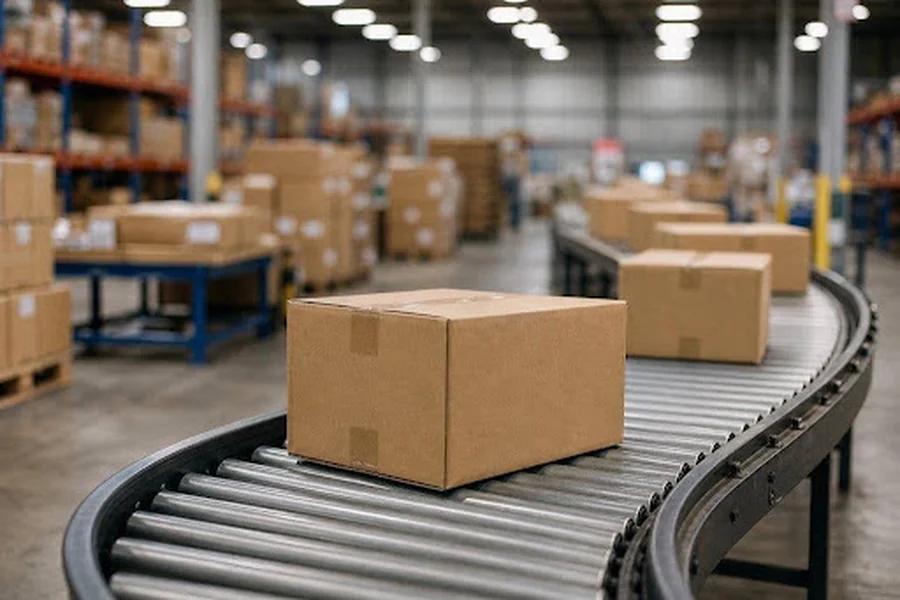
Taped boxes in a row behind the counter can become a reverse logistics issue fast. Returns pile up on the floor next to a rolling step ladder. Broken promotional standees lean against the loading dock door. An empty pallet half-filled with boxes sits in the shadow of a failing overhead dock light waiting for an answer as to where it goes.
When products travel back through the supply chain – if you want the source, it’s www.oecd.org/en, your first order of business is finding room without losing track of what is coming in.
First, figure out what you have. An unopened box of accessories might be sent back to the warehouse to sit on the shelf, whereas a malfunctioning appliance, recalled component, or expired sign may need special handling. Packing them all together because they fit easily into one trailer means you will likely re-hand them once they arrive at the next dock if the destination or paperwork does not match.
Location Pickups
You may not have returns concentrated in one place. You might have three shrink-wrapped pallets ready to go at one dock, while another location has six unpacked cartons ready to go from the back storage room near the janitorial closet. A pick-up schedule must accommodate the hours, dock size, point of contact, and format of each location.
Collect the following information before you set up the transport:
- Pallet, carton, or over-sized count
- Weight and measurement estimate
- Unopened, damaged, recalled, or hazardous materials?
- Pick-up hours and requirement for liftgate?
- Labels, return authorization, and destination?
You could lose a pick-up to something as simple as a post-it note affixed to the wrong carton. What happens when the driver gets there and he expects a standard decked trailer, but the site does not have a dock or a pallet jack? You risk leaving your freight stuck out from under the awning until you can reschedule. Make sure to confirm what equipment and dock access is available beforehand to avoid your freight sitting at a locked back door.
So what do you do when the stock can be held for just one more day?
Freight Consolidation
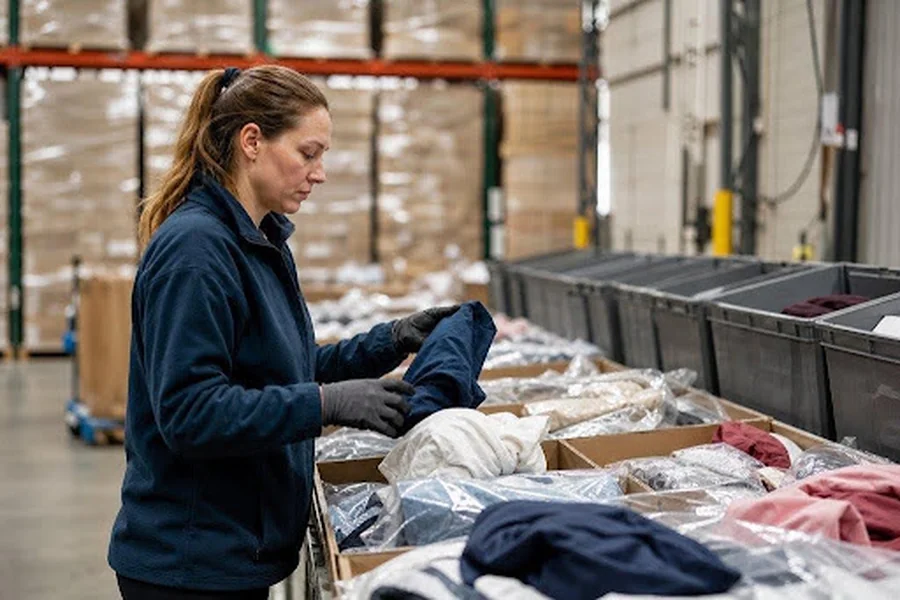
Once your freight is picked up, you must know where it is going. A pristine, unopened case of holiday merchandise might be sent back into stock. Dented merchandise or a missing manual might be liquidated. A recalled item might have strict handling rules, require specific documentation, and be destined for a designated holding area.
You might miss a misplaced pallet tag.
If you have multiple pick-ups at various locations and need to fulfill your shipping needs with Associated Logistics, consolidation allows you to reduce the number of shipments heading to the same destination. Instead of shipping numerous half-empty trucks to a single warehouse, you can bring the freight to a central location, inspect it, and re-pack into larger outbound loads. You also get a chance to spot something like a box labeled ‘return to vendor’ with store fixtures inside or a shrink-wrapped pallet with a damp bottom that has been sitting outside.
Take pictures of any damaged boxes and log the seal numbers at pickup if possible. That information will help resolve claims for hidden damage, missing items, or freight going to the wrong destination. Document who confirmed the count change and update your shipping documents prior to loading the outbound trailer.
Before shipping the freight offsite, classify the returns with disposition codes, and segregate any items you have concerns about. This avoids returning good stock to sales channels and keeps a record for accounting and operations regarding possible salvage value.
Routes and End-Use
The last leg should be determined by how the product will be handled once it arrives. A warehouse may want an advance ship notice, a vendor may accept returns only during specific days, or a liquidation center may want an inventory list before it lets a truck offload. If you have a receiving dock with a yellow caution tape border and only one open bay, you can’t just drop off an extra full truckload at 4:45.
Make sure to confirm delivery times. Some locations have a tight delivery window (e.g., two hours), and being early can be just as bad as being late, because now you are blocking the only dock door for another trailer. If you are returning to a vendor, make sure you know whether original packing materials, serial numbers, or authorization labels are required during transit.
A strong logistics provider can handle the scheduling and consolidation of your returns. They can then move goods to warehouses, vendors, storage facilities, or resale outlets. This process is made much easier when there is a paper trail that follows the product from pick-up at the store to final delivery.
Reverse shipments need to be treated with the same importance as forward shipments, particularly when shelf and dock space are limited. Collect all return authorizations, count all pallets at the respective locations, and confirm the delivery window before your next load gets wrapped.