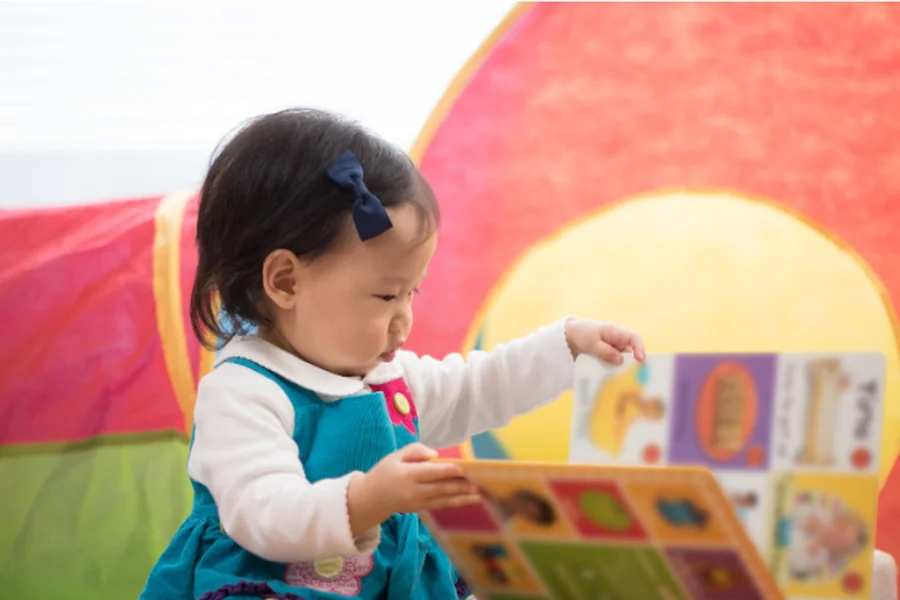
Parents often focus on the stories inside a book, but the physical design of a book plays an equally important role during a child’s earliest years. Before toddlers learn letters or understand complete sentences, they interact with books through touch, movement, and exploration. Every page turn, grip, and tap contributes to their understanding of the world.
Young children are still developing fine motor skills, hand strength, and coordination. Because of this, books designed specifically for their abilities provide a more enjoyable and productive reading experience. Features such as thick pages, rounded corners, and manageable dimensions help children participate independently instead of relying entirely on an adult.
Understanding The Ergonomics Of Small Hands
Ergonomics is the science of designing products to fit the people who use them. While the concept is often associated with office furniture or sports equipment, it is equally relevant to children’s products. Board books are carefully designed to suit the unique proportions and abilities of toddlers’ small hands.
Unlike standard paper books, board books typically feature thicker pages that are easier to grasp. Toddlers can pinch, lift, and turn each page with greater success because the pages offer enough rigidity to prevent sticking together. This reduces frustration and encourages children to continue exploring independently.
The size of the book itself also matters. A compact book is easier for toddlers to hold against their bodies or carry from room to room. When children feel physically capable of managing a book on their own, they often become more confident readers over time.
The Importance Of Page Thickness
One of the defining characteristics of board books is their sturdy construction. Thick cardboard pages withstand repeated use while remaining easy for little fingers to manipulate. This durability transforms books from delicate objects into everyday learning tools.
Thin paper pages often tear when handled by inexperienced readers. Board books eliminate much of that concern, allowing children to experiment with page turning without constant correction. The result is a more relaxed reading experience for both parents and children.
Page thickness also supports motor development. Each successful page turn strengthens finger coordination, wrist movement, and hand control. These seemingly simple actions prepare children for future skills such as writing, drawing, and using classroom materials.
Why Size Influences Learning
The dimensions of a board book are far from random. Publishers carefully balance portability with visibility to create a comfortable reading experience. Large enough illustrations capture attention, while compact sizing keeps the book manageable for young readers.
Oversized books can become difficult for toddlers to balance or hold open. Books that are too small may limit the size of illustrations and make details harder to recognize. Well-designed board books find a practical middle ground that supports both independent handling and visual engagement.
Children naturally enjoy carrying their favorite books around the house. A properly sized board book encourages this habit, increasing opportunities for spontaneous reading throughout the day.
Sturdy Construction Encourages Exploration
Toddlers learn by testing boundaries. They squeeze, stack, drop, tap, and sometimes even chew the objects around them. Books designed for this stage must withstand enthusiastic handling while remaining safe to use.
Board books are built with thick materials and durable bindings that tolerate repeated reading sessions. Rounded corners reduce the risk of scratches, while laminated surfaces are easier to wipe clean after everyday messes. These features help books remain in good condition despite constant use.
When children are free to explore books without fear of damaging them, reading becomes an inviting activity rather than one filled with restrictions. This positive association helps foster lifelong interest in books and learning.
Supporting Fine Motor Skill Development
Reading is often viewed as a language activity, but it also strengthens physical development. Every interaction with a board book requires controlled hand movements that gradually improve coordination.
Picking up a book develops grip strength. Turning pages improves finger isolation and dexterity. Pointing to pictures builds hand-eye coordination while encouraging vocabulary development through shared conversations with caregivers.
These repeated movements become increasingly refined with practice. Over time, the physical confidence gained through simple reading routines supports other developmental milestones, including self-feeding, dressing independently, and eventually writing.
Encouraging Independent Reading Habits
Toddlers enjoy feeling capable of completing tasks on their own. Books designed specifically for their developmental stage make independence more achievable.
Instead of waiting for an adult to turn every page, children can actively participate in the reading experience. This sense of accomplishment builds confidence while reinforcing positive attitudes toward books.
Independence also increases the frequency of reading. A toddler who can comfortably handle a favorite book may choose to revisit it several times throughout the day, strengthening memory, language recognition, and comprehension through repetition.
How Visual Design Complements Physical Design
Physical construction works together with visual presentation to create an engaging learning experience. Large illustrations, bold colors, and uncluttered layouts allow toddlers to focus on one concept at a time without becoming overwhelmed.
Simple page designs support developing attention spans by minimizing distractions. Clear images also encourage conversations between children and caregivers, helping toddlers connect spoken words with familiar objects and actions.
Thoughtfully designed board books for toddlers combine durable construction with age-appropriate illustrations that support both independent exploration and shared reading. Collections such as those from Tuttle Twins demonstrate how careful design choices can create books that remain engaging while standing up to everyday toddler use.
The Lasting Benefits Of Well-Designed Board Books
The benefits of board books extend well beyond the toddler years. Positive early experiences with books often shape children’s attitudes toward reading throughout childhood. When books are easy to hold, enjoyable to explore, and built to last, children naturally return to them again and again.
Repeated exposure to stories supports vocabulary growth, listening skills, memory, and early literacy development. At the same time, handling books strengthens fine motor abilities that contribute to success in many other areas of learning.
Parents also benefit from durable construction. Rather than replacing damaged books frequently, families can build collections that younger siblings can enjoy as well. This longevity makes quality board books a practical investment in early childhood education.
Creating Positive Reading Experiences From The Very Beginning
Every element of a board book serves a purpose. From its dimensions to its page thickness and sturdy binding, thoughtful design allows toddlers to interact with books confidently and safely. These physical characteristics may seem small, but together they create meaningful opportunities for learning.
Early reading is about much more than recognizing words. It is about building curiosity, confidence, coordination, and meaningful connections with caregivers. When books are designed with children’s developmental needs in mind, every page turn becomes another step toward a lifelong love of learning.