Managing waste at large-scale projects like construction sites, commercial renovations, or extensive cleanups often requires multiple dumpsters to handle diverse debris types and volumes. Proper placement of these dumpsters is critical to ensure efficiency, safety, and compliance. Here are five key tips for effectively placing multiple dumpsters at your site.
1. Assess Site Layout and Space Requirements
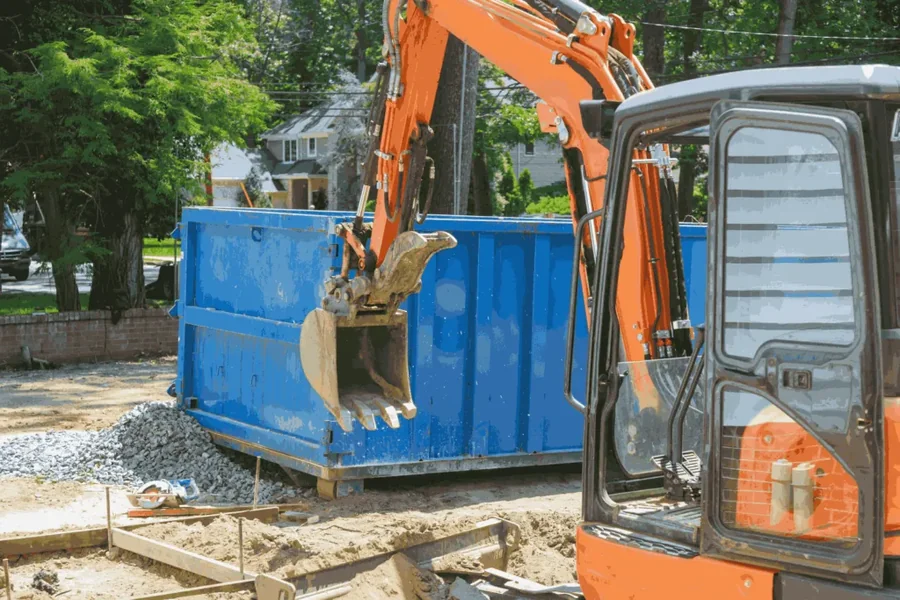
Before dumpsters arrive, evaluate your site’s layout to determine how many can fit and where they should go. Consider the size of each dumpster—typically ranging from 10 to 40 cubic yards—and the space needed for delivery trucks to maneuver. Map out flat, stable areas like parking lots or open ground, avoiding slopes or soft soil that could cause tipping. Ensure there’s enough clearance for truck access, accounting for turning radii and overhead obstacles like power lines or trees. For large sites, designate specific zones for different waste types (e.g., construction debris, recyclables), and confirm the total footprint accommodates all dumpsters without obstructing work areas.
When planning the logistics of dumpster placement, it’s crucial to consider the flow of traffic and accessibility for waste removal services. Ensuring that dumpsters are easily accessible for trucks can prevent delays and additional costs. For those managing sites in the Winston-Salem area, https://tricitydumpstersnc.com/winston_salem/ offers valuable insights into local regulations and best practices for efficient waste management. By understanding these guidelines, site managers can optimize their layout, ensuring that dumpsters are placed in locations that facilitate easy access while minimizing disruption to ongoing work. This strategic approach not only enhances operational efficiency but also contributes to a safer and more organized work environment.
2. Coordinate with Local Regulations and Permits
Placing multiple dumpsters, especially on public property like streets or sidewalks, often requires permits from local authorities. Research municipal regulations early to avoid fines or delays. Some areas limit the number of dumpsters allowed or restrict placement near public utilities. Contact your local permitting office to clarify requirements and secure approvals. If dumpsters are on private property, ensure they don’t violate homeowner association rules or encroach on neighboring land. Clear communication with your dumpster rental company about permit needs can streamline the process, as many providers like Waste Removal USA assist with compliance.
3. Strategize for Accessibility and Workflow
Position dumpsters to maximize accessibility for workers while minimizing disruption to site operations. Place them near key work zones—such as demolition areas or material staging points—to reduce the distance workers carry heavy debris. For example, position one dumpster near a building entrance for renovation waste and another near a landscaping area for yard debris. Ensure pathways remain clear for equipment, like forklifts or wheelbarrows. If using multiple dumpsters for different materials (e.g., one for concrete, another for wood), label them clearly to avoid confusion and ensure efficient sorting, which can save time and reduce disposal costs.
4. Prioritize Safety and Site Organization
Multiple dumpsters can create hazards if not placed thoughtfully. Avoid blocking emergency exits, fire lanes, or pedestrian pathways. Ensure each dumpster is on stable ground to prevent tipping, especially when loaded with heavy materials like concrete. Use reflective tape or cones to enhance visibility, particularly for night work or busy sites. Regularly inspect the area around dumpsters to remove stray debris that could cause tripping. By keeping the site organized and safe, you reduce the risk of accidents and maintain a professional work environment, which is critical for large projects with multiple crews.
5. Optimize Delivery and Pickup Schedules
Coordinate with your local roll off dumpster rental company to stagger delivery and pickup of multiple dumpsters based on your project timeline. For instance, deliver a dumpster for initial demolition waste, then swap it for another as you transition to cleanup or landscaping phases. Schedule pickups to avoid overcrowding the site, especially if space is limited.
Placing multiple dumpsters at a site requires careful planning to enhance efficiency, safety, and compliance. By assessing your site, securing permits, prioritizing accessibility, ensuring safety, and optimizing schedules, you’ll streamline waste management for any large project.