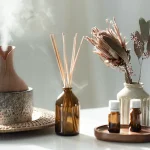
Our sense of smell is deeply intertwined with memory, mood, and overall well-being. A pleasant aroma can uplift your spirits, increase focus, and create a welcoming atmosphere. Whether at home or in the workplace, designing a scent-friendly environment can profoundly enhance your daily life. Aromatic living is more than just lighting a candle—it’s about curating scents that support comfort, productivity, and relaxation. Here’s how to create spaces that smell as good as they feel.
Understand the Power of Scent
Before diving into practical tips, it’s essential to appreciate why scent matters. Olfactory stimuli directly affect the limbic system—the part of the brain responsible for emotions and memory. A whiff of lavender can calm anxiety, while citrus aromas can boost energy and alertness. By selecting scents with intentional effects, you can tailor your environment to your needs, whether that’s promoting focus during work hours or encouraging relaxation at home.
Start with Cleanliness
No amount of fragrance can compensate for lingering odors caused by clutter or poor ventilation. Regular cleaning, vacuuming, and proper waste disposal lay the foundation for a fresh-smelling environment. Fabrics, such as rugs, curtains, and upholstered furniture, tend to trap odors, so washing or airing them out frequently is essential. Even a small effort in maintaining cleanliness can amplify the effectiveness of your chosen scents.
Use Essential Oils Wisely
Essential oils are versatile tools for scenting your surroundings. Diffusers release a consistent aroma into the air, while sprays offer a quick burst of fragrance. Popular essential oils for home and office use include:
- Lavender: Calming and relaxing, perfect for bedrooms or cozy corners.
- Peppermint: Stimulating and energizing, ideal for workspaces.
- Citrus (lemon, orange, grapefruit): Uplifting and refreshing, great for kitchens or communal areas.
- Eucalyptus: Invigorating and purifying, suitable for bathrooms or entryways.
When using essential oils, remember that a little goes a long way. Overpowering scents can cause headaches or irritation, so start with a subtle concentration and adjust as needed.
Incorporate Natural Aromas
Beyond oils and sprays, natural elements can enhance your environment’s aroma. Fresh flowers, herbs, and houseplants bring both fragrance and visual appeal. Consider placing rosemary or mint in small pots on your desk, or fresh-cut flowers in your living room. Not only do they create a pleasant scent, but they also boost mood and foster a connection with nature.
Leverage Seasonal Scents
Seasonal changes provide an opportunity to vary your home and workspace scents throughout the year. In fall, warm notes like cinnamon, clove, and vanilla evoke coziness. Spring brings fresh florals such as lilac and jasmine. By aligning scents with the seasons, you can create a dynamic atmosphere that reflects the natural rhythm of life, enhancing both comfort and creativity.
Mind the Workspace
A scent-friendly workspace can improve concentration, reduce stress, and even enhance productivity. Diffusers with citrus or peppermint oils help maintain alertness, while lavender or chamomile in break areas encourage relaxation. Personalizing your scent environment at work doesn’t have to be intrusive—small, subtle solutions like a miniature diffuser or a scented sachet in a drawer can make a noticeable difference. For those who enjoy vaping as a mindful break, using a high-quality Salt Nic product can complement the space’s atmosphere without overwhelming it, adding a subtle, pleasant aroma that encourages focus and calm.
Layer Scents Thoughtfully
Layering aromas adds depth and complexity to your environment, but it requires balance. Combine complementary scents rather than competing ones. For instance, pairing lavender with a hint of vanilla creates a soothing, warm atmosphere, while mixing lemon with eucalyptus results in a crisp, refreshing ambiance. Experiment gradually and observe how the scents interact with your space and mood.
Maintain and Rotate
To keep your spaces smelling fresh, maintain your scenting tools and rotate fragrances. Replace diffuser oils, refresh candles, and replace flowers regularly. Continuous exposure to the same scent may lead to olfactory fatigue, where you stop noticing the aroma. Rotating scents ensures a consistently engaging and enjoyable environment.
Conclusion
Aromatic living is a subtle but powerful way to enhance your home and workspace. By combining cleanliness, essential oils, natural elements, seasonal cues, and mindful layering, you can create environments that nurture both well-being and productivity. Smell is often overlooked in design, but with intentionality, your spaces can be transformed into fragrant sanctuaries that support every aspect of your daily life. After all, a pleasant scent isn’t just enjoyable—it’s a catalyst for a happier, healthier, and more inspired you.