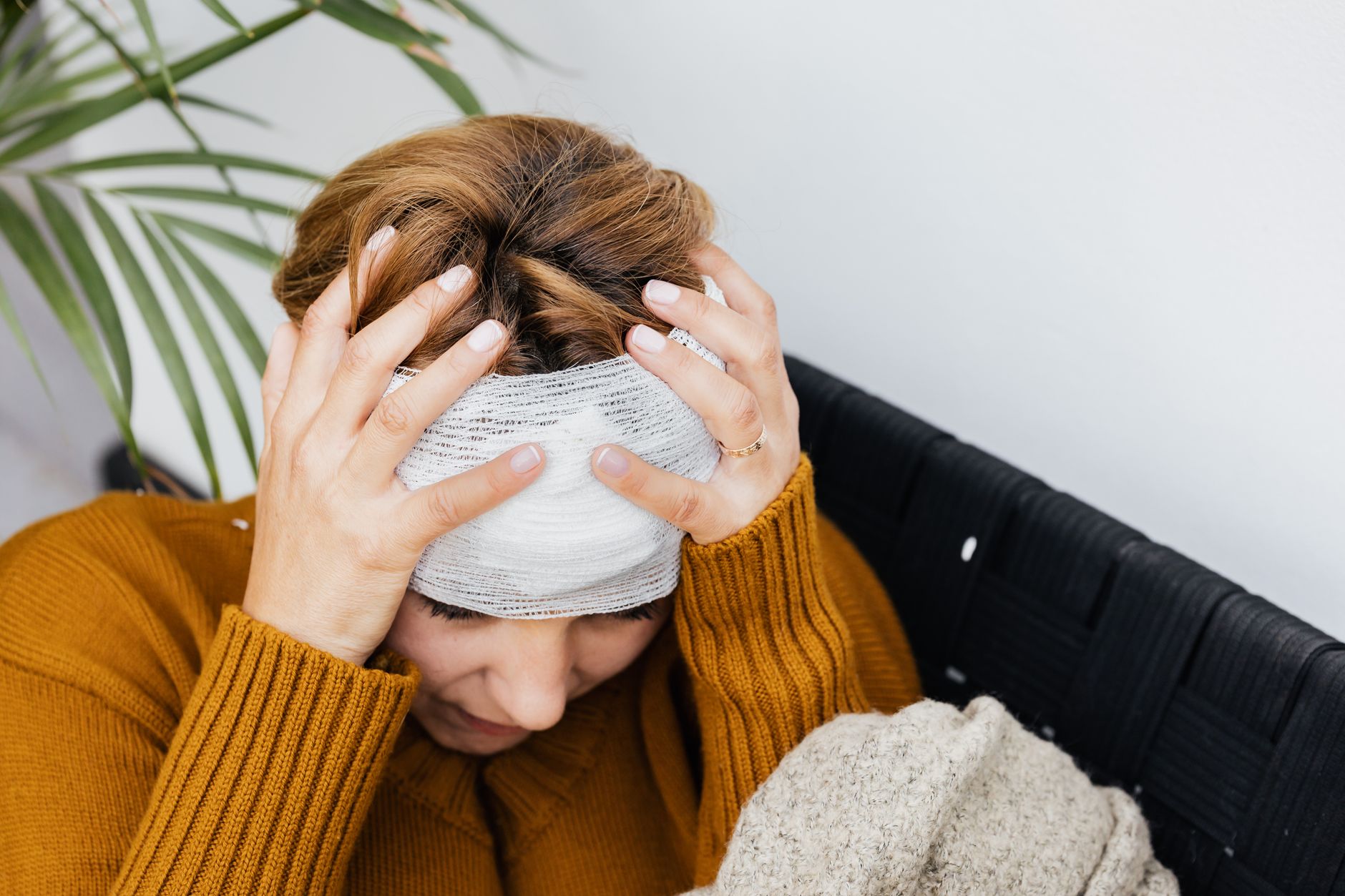
Athletes are showing growing interest in magic mushrooms as a potential option for managing persistent concussion symptoms, with a study finding that 61.2% would consider psilocybin-assisted therapy (PAT) for concussion recovery. As more people explore the emerging field of psychedelic medicine, so is the interest to buy shrooms online Canada. But what does the research really say, and why are athletes paying attention?
Why Athletes Explore Magic Mushrooms for Concussion Recovery
Athletes are exploring magic mushrooms for concussion recovery because psilocybin may influence brain plasticity, emotional processing, and mood regulation. These potential effects have attracted researchers interested in alternative approaches to persistent post-concussion symptoms, including anxiety, depression, and cognitive difficulties.
In the study, “Exploring psychedelic use in athletes and their attitudes toward psilocybin-assisted therapy in concussion recovery,” the researchers surveyed 175 participants across Canada and the United States, including 85 athletes and 90 sports staff members.
Based on the findings:
“Psychedelics were the third most used substance in the past year among athletes (35.8%), while regular psychedelic use was quite low in athletes (7.5%)… Athletes reported likely engaging in PAT (61.2%), and staff (71.1%) reported that they would support their athletes using PAT.”
While these findings reflect growing openness toward psychedelic research, they don’t establish that magic mushrooms can treat concussions or replace established rehabilitation approaches.
What Makes Psilocybin Interesting to Sports Researchers?
Psilocybin is the naturally occurring psychedelic compound found in certain species of magic mushrooms. Once consumed, the body converts it into psilocin, which interacts with serotonin receptors, particularly the 5-HT2A receptor. So, researchers are interested in how this interaction may influence brain activity, emotional processing, and neuroplasticity.
1. Its Potential to Support Neuroplasticity
Neuroplasticity is the brain’s ability to form and reorganize neural connections. The study, “Psychedelics Promote Structural and Functional Neural Plasticity,” found that “psychedelics are capable of robustly increasing neuritogenesis,” and “these changes in neuronal structure are accompanied by increased synapse number and function, as measured by fluorescence microscopy and electrophysiology.” These findings have sparked interest in concussion research because brain injuries can affect neural connections and cognitive function.
2. Supporting Emotional Processing and Mood
Concussions can cause anxiety, depression, irritability, and frustration. In the same study, the “results underscore the therapeutic potential of psychedelics and, importantly, identify several lead scaffolds for medicinal chemistry efforts focused on developing plasticity-promoting compounds as safe, effective, and fast-acting treatments for depression and related disorders.”
This approach combines a supervised psychedelic experience with psychological support. Researchers are interested in whether it could help athletes experiencing persistent emotional symptoms after a concussion.
3. Exploring the Relationship Between Serotonin and Inflammation
Researchers are also investigating whether psilocybin’s interaction with serotonin receptors could influence inflammatory processes in the brain. Since neuroinflammation can occur following traumatic brain injuries, understanding these effects may reveal potential areas for future treatment research.
So, How Does Psychedelic-Assisted Therapy Work?
Psychedelic-assisted therapy (PAT) combines a psychedelic compound with psychological support. It typically involves three stages:
- Preparation: Participants meet with trained professionals to discuss their mental health, expectations, and therapy goals. This helps them prepare for the experience.
- Supervised Experience: The psychedelic session takes place in a controlled clinical setting with professional support. Researchers observe how changes in perception, thoughts, and emotions may contribute to therapeutic outcomes.
- Integration: Participants attend follow-up sessions to reflect on their experience and apply insights to daily life.
In sports-related research, this approach may help scientists understand whether PAT could support athletes experiencing persistent emotional and cognitive symptoms following a concussion.
What Could the Future of Psychedelic Therapy Look Like in Sports?
The growing interest among athletes and sports professionals suggests that psychedelic medicine could become an important subject in sports rehabilitation research.
But there are several questions researchers still need to answer:
- Can psilocybin help with persistent post-concussion symptoms? Future clinical trials need to examine whether it can improve mood, cognition, and other symptoms in people with a history of sports-related concussions.
- Could it support emotional recovery? Researchers need to determine whether psychedelic-assisted therapy can help athletes experiencing persistent anxiety, depression, or emotional difficulties following an injury.
- What role does neuroplasticity play? More research is needed to understand whether psychedelic-induced changes in neural connections have any meaningful effect on recovery after a concussion.
- Which athletes might benefit? Future studies will need to examine individual differences, including concussion history, symptom severity, and mental health.
The next step is conducting well-designed clinical trials involving athletes with persistent post-concussion symptoms. These studies could help determine whether the promising theories surrounding psilocybin translate into practical therapeutic applications.
Exploring Magic Mushrooms and Psychedelic Research
As interest in psychedelic medicine grows, more people are looking for accessible information about psilocybin, magic mushroom varieties, and related products.
Online dispensaries such as Zoomies Canada offer a range of mushroom-related products, including capsules, edibles, and dried mushroom varieties. The growing availability of these products also reflects the wider public interest in psychedelic mushrooms.
The conversation around magic mushrooms and sports recovery is still developing. As more research emerges, athletes, healthcare professionals, and sports organizations will have a clearer picture of where psychedelic-assisted therapy might fit into future rehabilitation approaches.
Frequently Asked Questions
Are sports professionals more open to psychedelic therapy than athletes?
Yes. A 2024 study found that sports staff were more supportive of psychedelic-assisted therapy (PAT) for concussion recovery than athletes themselves. While 61% of athletes said they were at least somewhat likely to try PAT if research confirmed its benefits, 71.1% of sports staff said they would support its use among athletes.
Among sports staff, 24.4% were very likely to offer support, 25.6% were likely, and 21.1% were somewhat likely to do so. This suggests that interest in psychedelic-assisted therapy extends beyond athletes to the professionals involved in their training and recovery.
Why do athletes use psilocybin?
According to the study, athletes most commonly reported using psilocybin for personal improvement (14.5%) and mood enhancement (13.6%). Other reported reasons included managing anxiety, depression, and trauma-related concerns. Participants generally reported improvements in these areas, suggesting that mood and mental well-being are among the main reasons athletes explore psilocybin.
Is the NFL supporting research into alternative treatments for concussions?
Yes. The NFL has funded research into alternative treatments for pain management and concussion-related conditions. In 2022, the league committed $1 million to cannabis research examining its potential benefits for pain management and concussion protection. The NFL and its players’ union have also supported further research into cannabidiol (CBD) as a potential alternative to opioid pain medication for players with concussions. These initiatives reflect growing interest in exploring alternative approaches to athlete health and recovery.