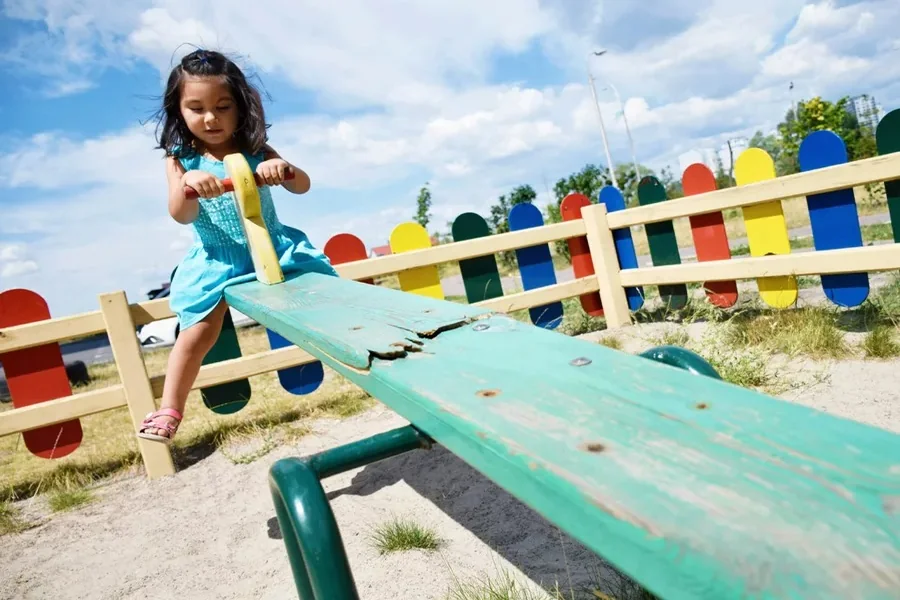
Childhood is full of energy, curiosity, and adventure. Playgrounds, parks, and recreational spaces provide opportunities for kids to explore, make friends, and develop essential physical and social skills. Yet with activity comes risk, and childhood injuries are a common reality for families and caregivers. Most incidents are minor, but some can be serious enough to require medical attention or even emergency care. Recognizing common injuries and knowing how to prevent and respond to them ensures children stay safe while enjoying their play.
Why Childhood Injuries Happen
Children are naturally active, often unaware of dangers around them. Their developing coordination, limited experience, and enthusiasm for exploration make them more prone to accidents. Playgrounds and parks, with swings, slides, climbing structures, and open spaces, add to the potential hazards. While supervision is essential, even the most vigilant parents cannot prevent every accident. Preparedness, both in prevention and response, is key to managing risks effectively.
Falls: The Most Common Playground Injury
Falls are the leading cause of playground injuries. Children may lose balance while running, slip on wet surfaces, or fall from play structures. Injuries range from scraped knees and bruises to sprains, broken bones, or head trauma. Preventing falls begins with safe playground design—using shock-absorbing surfaces such as wood chips or rubber mats reduces the severity of impacts. Parents should also encourage safe play, teaching children not to climb equipment improperly or push others while playing.
First Aid for Falls
When a child falls, remain calm and assess the injury. Minor cuts and scrapes can be cleaned with water and covered with a bandage. Ice packs help reduce swelling from bumps and bruises. If the child has severe pain, difficulty moving, or signs of a head injury, seek medical attention immediately.
Cuts, Scrapes, and Bruises
Sharp edges, rough surfaces, and accidental collisions with equipment or other children can cause cuts, scrapes, and bruises. Most are minor but still require proper cleaning to prevent infection. Carrying a small first aid kit to the park ensures quick treatment. Parents should clean wounds thoroughly, apply antiseptic, and cover with a sterile bandage. Children should be reminded not to touch or pick at injuries to allow proper healing.
Head Injuries and Concussions
Playground falls and sports activities sometimes lead to head injuries. While many are minor, concussions require special attention. Symptoms may include confusion, dizziness, nausea, or sensitivity to light. Parents should monitor children closely after head bumps and seek medical care if symptoms worsen or persist. Helmets provide essential protection during biking, skateboarding, or rollerblading, reducing the risk of severe injury.
Broken Bones and Sprains
Active play sometimes leads to twisted ankles, sprained wrists, or broken bones. These injuries can be painful and frightening for children. Immobilizing the affected area and applying ice helps manage pain until medical care is available. In cases where bones appear misaligned or the child cannot bear weight, professional treatment is necessary. Supervision and teaching children safe ways to climb or jump can lower risks, though accidents can still occur.
Choking Hazards in Outdoor Settings
Parks often host picnics and snacks, which introduces choking risks. Grapes, nuts, hard candies, and small toys are common culprits. Parents should supervise mealtimes and ensure food is cut into safe sizes for younger children. If a child begins choking and cannot cough or breathe, immediate intervention is critical. Training programs such as first aid and cpr course provide caregivers with the skills to respond effectively in these emergencies, ensuring they know how to apply abdominal thrusts or back blows when needed.
Burns, Bites, and Stings
Warm weather brings additional hazards like sunburns, insect bites, and bee stings. Playground equipment exposed to direct sunlight can also become hot enough to burn sensitive skin. Sunscreen, hats, and hydration protect against sunburn, while insect repellent helps reduce bug-related risks. Parents should keep antihistamines on hand in case of allergic reactions and teach children to avoid touching hot surfaces or disturbing insects.
Preventing Playground Injuries
Prevention strategies help minimize risks in playgrounds and parks. Parents should inspect equipment for damage or hazards before allowing children to play. Age-appropriate play areas ensure younger children are not exposed to structures designed for older kids. Establishing simple safety rules—such as taking turns on slides or using equipment properly—reduces accidents caused by rough play. Supervision remains the most important preventive measure, as quick intervention often stops minor incidents from escalating.
Teaching Kids Safety Awareness
Children benefit from learning how to take responsibility for their own safety. Teaching them to recognize dangerous behavior, respect playground rules, and ask for help when needed builds independence and reduces accidents. Role-playing common scenarios, like what to do if a ball goes into the street, reinforces lessons in a memorable way. Safety education gives children the tools to make better decisions, even when parents are not immediately nearby.
Community and School Involvement
Communities and schools play a vital role in promoting playground safety. Regular maintenance of public equipment, proper surfacing, and safety inspections help reduce risks. Schools can also incorporate safety education into physical education classes, ensuring children learn the importance of safe play. By working together, families and communities can create safer environments for all children.
Conclusion
Playgrounds and parks should be places of joy, exploration, and healthy activity. While injuries are a natural part of childhood, many can be prevented or managed effectively with awareness and preparation. Falls, cuts, head bumps, and choking incidents are common, but parents who are informed and trained know how to respond calmly and effectively.
By combining preventive measures with basic first aid knowledge, families create safer play experiences for their children. Structured training, community involvement, and ongoing education reinforce these efforts, ensuring that kids can play, explore, and grow in environments where safety is always a priority.