Understanding the Hybrid Work Landscape
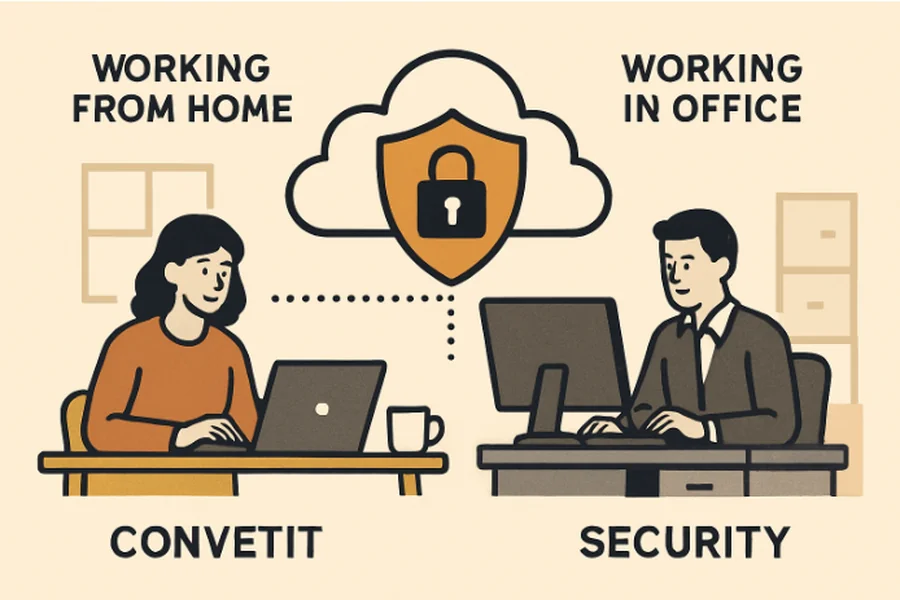
The rapid evolution towards hybrid work—blending both remote and in-person settings—has dramatically reshaped how organizations function in the modern era. No longer bound by a single workplace, employees can now choose where they work, offering a sense of flexibility that has become a top driver for both talent retention and ongoing productivity. This shift has not only influenced employee preferences. Still, it has also created a dynamic in which companies must rethink the very foundation of their operational strategies to remain competitive in attracting and retaining top talent. However, this much-coveted flexibility comes with significant challenges for IT departments and security teams, who now face new types of operational complexity and rising expectations. Maintaining seamless usability and robust protection across vastly different work locations can be incredibly difficult, especially as the perimeter dissolves and the attack surface increases.
Hybrid environments require companies to provide secure, responsive access everywhere—not just within office boundaries, but also across cafes, homes, airports, and client sites. In response to these realities, cutting-edge solutions like SASE Solutions (Secure Access Service Edge) are emerging as best-in-class frameworks that unify security and networking. By converging network and security-as-a-service offerings into a single cloud-delivered solution, SASE enables organizations to maintain robust security postures and consistent connectivity, regardless of their workforce’s location.
According to a recent Gallup survey, over 80% of professional workers now spend at least part of their week working remotely, underscoring the permanence of hybrid work in today’s enterprise landscape. Hybrid models are no longer just a pandemic response; they are a central component of business strategy worldwide. As organizations adapt, the tension between delivering a frictionless user experience and maintaining strong security measures is a central issue that must be addressed to avoid compromising company information or employee satisfaction.
Challenges in Hybrid Work Environments
While the hybrid work model brings undeniable benefits, it also introduces specific challenges for both users and organizations. Hybrid work, by its very nature, disperses both the workforce and the data they use, placing new demands on IT, HR, and management teams alike. The following key challenges illustrate why striking the right balance between experience and security is increasingly complex in today’s hybrid work environments:
- Security Risks: Hybrid work environments often involve accessing company resources from personal devices and unsecured home networks, making sensitive data more vulnerable to cyber threats, including phishing, malware, and ransomware. Security incidents linked to remote work environments have surged in recent years. Data now travels across less predictable channels, requiring enhanced vigilance and real-time threat detection.
- Connectivity Issues: Maintaining consistent network performance is crucial for remote employees. Fluctuations in home internet speeds or issues connecting to the IT infrastructure can disrupt workflows, reduce productivity, and frustrate staff. Employees expect always-on access to business applications, and any technical disruptions can quickly snowball into dissatisfaction or missed business opportunities.
- Maintaining Collaboration: Seamless team collaboration is challenging to achieve when employees are spread across multiple locations. Differences in communication platforms, time zones, and work schedules can further hamper collaborative culture. Physical distance can also make it more challenging to build trust and camaraderie within teams, which are crucial for innovation.
The pressure to secure remote endpoints and networks while providing a frictionless user experience can overwhelm traditional IT frameworks. Addressing these challenges is essential for future-proofing the enterprise. Without modern solutions, IT teams risk being locked in a cycle of reactive security fixes and continual user frustrations—which ultimately undermines both operational stability and the organization’s reputation.
Strategies for Balancing User Experience and Security
Achieving the right balance between usability and protection requires a multi-layered approach—integrating technology, process, and culture. This challenge is not just about adopting cutting-edge tools but also about aligning individual employee behaviors and organizational processes with the evolving threat landscape. Here are actionable strategies organizations can implement to support their hybrid workforces:
1. Implement Zero Trust Architecture
Moving beyond perimeter-based defenses, Zero Trust security models treat every access request as a potential threat, requiring authentication and authorization from any device or user, regardless of location. This granular approach significantly reduces lateral movement within networks and helps prevent data compromise, while still supporting productivity. By continuously validating identities and enforcing least-privilege access, Zero Trust makes it much harder for attackers to exploit compromised credentials or devices. Many leading organizations utilize Zero Trust frameworks to enable secure remote access without compromising user experience, making them a cornerstone of next-generation security strategies.
2. Enhance Connectivity Solutions
Reliable connectivity is foundational for a successful hybrid workplace. Organizations should provide employees with tools such as high-performance VPNs, secured cloud gateways, and bandwidth management solutions. Leveraging technologies like SD-WAN can optimize application performance and prioritize critical business traffic, ensuring that workers remain productive regardless of their physical location. Proactively supporting work-from-home arrangements—for instance, by offering stipends for upgraded internet services or pre-configured secure routers—can further reduce downtime and ensure business continuity.
3. Foster a Security-First Culture
Security awareness training is critical for minimizing human error, which remains a top cause of data breaches. Hybrid organizations should regularly educate staff on cybersecurity best practices—from recognizing phishing attempts to safely handling company data on personal devices. Employees need to feel empowered to be the first line of defense, knowing how and when to report suspicious activity. Fostering an environment where security is everyone’s responsibility leads to stronger organizational resilience. Equally important are clear, accessible security policies and regular drills or tabletop exercises that keep staff engaged and alert to the latest threats.
Final Thoughts
Balancing user experience and security in hybrid work environments is an ongoing process requiring leadership, investment, and continuous improvement. Organizations cannot afford to treat security as a one-time project or a secondary concern; instead, it must be seen as something that underpins every aspect of the employee and customer experience. Leveraging Zero Trust principles, optimizing for seamless connectivity, and embedding a culture of cyber awareness are vital steps in safeguarding productivity and data. By doing so, companies build not only stronger defenses but also greater trust with clients, partners, and employees.
As hybrid work continues to evolve into the new norm, organizations that adopt integrated security and networking frameworks, such as SASE, will be better positioned to adapt quickly and thrive—empowering employees without compromising the security of their operations. Ultimately, the ability to successfully balance these priorities will define which organizations remain competitive, resilient, and trusted in the digital age.