Modern interior design is no longer focused solely on visual appeal. Today, homeowners, architects, business owners, and designers are equally concerned with creating environments that feel comfortable, functional, and peaceful. Excessive noise has become one of the most common challenges in homes, offices, restaurants, hotels, and commercial spaces, leading many people to seek innovative solutions that improve both aesthetics and acoustics. Among the most effective options available today are sound proof wooden wall panels, which combine sophisticated design with exceptional sound-absorbing performance.
Unlike traditional wall treatments that prioritize appearance alone, acoustic wooden panels provide a balanced solution that enhances interior spaces while significantly reducing unwanted echoes and noise. Their natural wood finish introduces warmth and character to any room, while the integrated acoustic materials help create a quieter and more enjoyable environment. As modern buildings continue to feature open layouts, hard flooring, glass walls, and high ceilings, these panels have become an increasingly valuable addition to both residential and commercial projects.
Why Noise Control Matters in Modern Interiors
The way a room sounds has a direct impact on how people experience it. Excessive reverberation can make conversations difficult, reduce concentration, and create unnecessary stress. In homes, persistent echoes can affect relaxation, while in workplaces they may lower productivity and increase distractions.
Modern architecture often embraces minimalist aesthetics that feature concrete, glass, metal, and hardwood surfaces. Although these materials create clean and contemporary interiors, they also reflect sound rather than absorb it. This causes voices, footsteps, and other everyday noises to bounce throughout the room, resulting in poor acoustic performance.
Improving acoustics is no longer considered a luxury reserved for recording studios or theaters. It has become an essential part of creating comfortable living and working environments where people can communicate clearly, concentrate effectively, and enjoy greater peace throughout the day.
The Growing Popularity of Acoustic Wooden Panels
Acoustic wall panels have evolved dramatically over the past decade. Earlier soundproofing products often prioritized functionality while sacrificing appearance, resulting in bulky foam panels or industrial-looking materials that were unsuitable for stylish interiors.
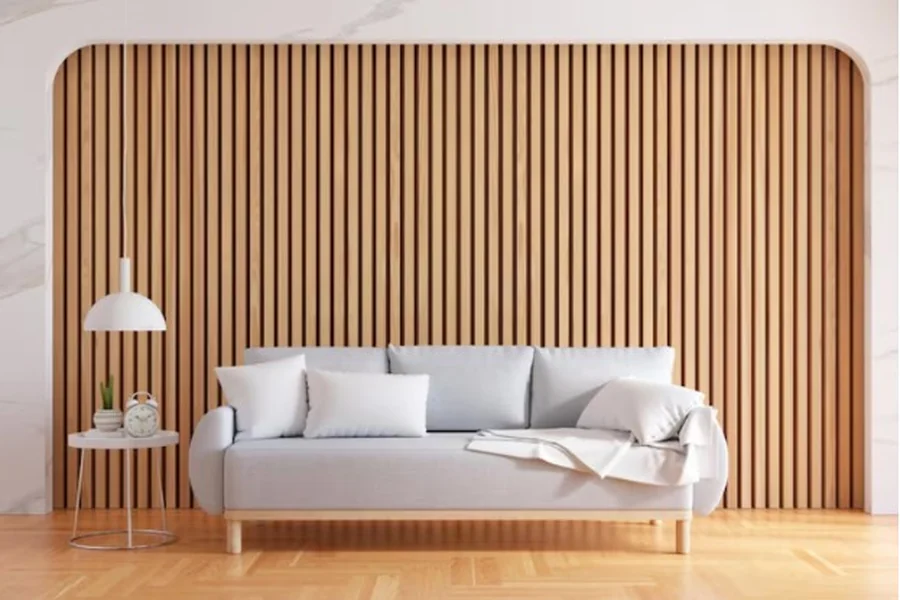
Today’s wooden acoustic panels offer an entirely different experience. They seamlessly combine modern craftsmanship with advanced sound-absorbing technology, allowing homeowners and businesses to improve acoustics without compromising interior design. The elegant arrangement of wooden slats creates visual texture while the acoustic backing reduces echoes and unwanted sound reflections.
This combination of beauty and functionality has made these panels one of the fastest-growing interior design trends across residential properties, corporate offices, hospitality venues, educational facilities, and entertainment spaces.
Understanding How Acoustic Wall Panels Work
Although many people refer to these products as soundproof panels, their primary function is acoustic treatment rather than complete sound isolation. The wooden slats work together with specialized acoustic felt backing to absorb sound waves that would otherwise bounce around the room.
When sound enters a space, it normally reflects off hard surfaces multiple times before gradually dissipating. This reflection creates echo and reverberation, making conversations less clear and increasing overall noise levels.
Acoustic wall panels interrupt this process by capturing a significant portion of those sound waves. Instead of reflecting into the room, the energy is partially absorbed by the acoustic material behind the wooden slats. The result is improved speech clarity, reduced echo, and a noticeably calmer atmosphere.
This technology is particularly beneficial in rooms with high ceilings, open floor plans, and extensive glass or tile surfaces where sound reflection is typically more pronounced.
Enhancing Residential Living Spaces
Homeowners increasingly recognize the value of investing in better acoustics. Modern families spend more time working remotely, studying online, streaming entertainment, and participating in virtual meetings, all of which benefit from quieter surroundings.
Living rooms become more enjoyable when television audio remains clear without excessive volume. Home offices provide better concentration when background echoes are minimized. Bedrooms become more peaceful, encouraging better rest after busy days.
Entertainment rooms particularly benefit from acoustic improvements because sound becomes richer and more balanced. Rather than allowing audio to bounce unpredictably around the room, properly treated walls create a more immersive listening experience for movies, music, and gaming.
Many homeowners also appreciate how wood panels transform plain walls into striking architectural features that elevate the entire appearance of the room.
Transforming Modern Workplaces
Office environments present unique acoustic challenges. Open-plan layouts encourage collaboration but often generate distractions caused by conversations, ringing phones, keyboard sounds, and movement throughout the workspace.
Poor acoustics can reduce employee productivity by making it difficult to concentrate on complex tasks. Meeting rooms with excessive echo may also affect communication during presentations or virtual conferences.
Installing acoustic wooden panels helps create a quieter environment where employees can focus more effectively while maintaining the openness of modern office design. Conference rooms benefit from clearer speech, allowing discussions to proceed naturally without participants struggling to hear one another.
Reception areas also become more welcoming as background noise is softened, creating a professional atmosphere that leaves a positive first impression on visitors and clients.

A Wide Range of Design Possibilities
One reason acoustic wood panels continue gaining popularity is their remarkable design flexibility. Available in numerous wood species, finishes, colors, and slat configurations, they complement virtually every interior style.
Minimalist interiors benefit from clean-lined oak finishes that emphasize simplicity and warmth. Contemporary commercial spaces often incorporate darker walnut or black finishes that create dramatic visual impact. Scandinavian-inspired homes embrace lighter timber tones that enhance brightness while adding natural texture.
Some designers use panels to create dramatic feature walls behind televisions or fireplaces, while others install them across entire ceilings or hallways to establish architectural continuity throughout the space.
Because the panels function as both decorative and acoustic elements, they eliminate the need to choose between appearance and performance.
Simple Installation and Long-Term Durability
Another advantage of modern acoustic panels lies in their relatively straightforward installation. Many systems are designed for direct attachment to walls or ceilings using adhesives, screws, or mounting systems, making them suitable for both renovation projects and new construction.
Once installed, the panels require minimal maintenance. Regular dusting or occasional wiping with a soft cloth typically keeps them looking clean and attractive. Unlike painted surfaces that require periodic refinishing, quality wood finishes retain their appearance for many years with proper care.
Their durable construction also allows them to withstand everyday wear in busy commercial environments, making them a practical long-term investment for businesses seeking reliable interior solutions.
Supporting Wellness Through Better Acoustic Design
Scientific research increasingly demonstrates the relationship between noise exposure and overall well-being. Constant background noise contributes to stress, mental fatigue, reduced concentration, and diminished workplace satisfaction.
Improving room acoustics supports healthier environments by lowering overall noise levels and reducing the mental effort required to process conversations. Employees experience fewer distractions, students can concentrate more effectively, and homeowners enjoy greater comfort throughout daily activities.
Creating peaceful environments has become particularly important as hybrid work arrangements continue blending residential and professional spaces. Acoustic improvements contribute not only to productivity but also to mental wellness and overall quality of life.
Conclusion
Creating beautiful interiors is no longer enough in today’s fast-paced world. Spaces must also support comfort, productivity, communication, and overall well-being. Acoustic wooden wall panels successfully address these needs by combining timeless natural beauty with advanced sound-absorbing technology that transforms the way people experience their surroundings.
Whether installed in homes, offices, hospitality venues, educational facilities, or commercial developments, these panels deliver lasting value by reducing echoes, improving speech clarity, enhancing interior aesthetics, and promoting more peaceful environments. Their sustainable construction, versatile design options, long-term durability, and ability to elevate both form and function make them an outstanding investment for modern interiors.
As architectural trends continue emphasizing open spaces and minimalist design, the demand for high-quality acoustic solutions will only continue to grow. Choosing premium soundproof wooden wall panels allows property owners and designers to create environments that are not only visually impressive but also quieter, healthier, and more enjoyable for everyone who uses them.