A confident smile can make a lasting impression, influencing both personal and professional interactions. As interest in cosmetic dentistry continues to grow, dental veneers have become one of the most sought-after treatments for achieving a brighter, more balanced smile. Whether addressing discoloration, chipped teeth, small gaps, or uneven shapes, veneers offer a versatile solution that can dramatically enhance the appearance of teeth.
Unlike more extensive dental procedures, veneers focus primarily on improving aesthetics while preserving much of the natural tooth structure. For adults considering a smile makeover, understanding the different types of veneers, the treatment process, and their potential benefits is essential before making an informed decision.
This guide explores everything you need to know about dental veneers, from the available options to aftercare tips and important considerations.
What Are Dental Veneers?
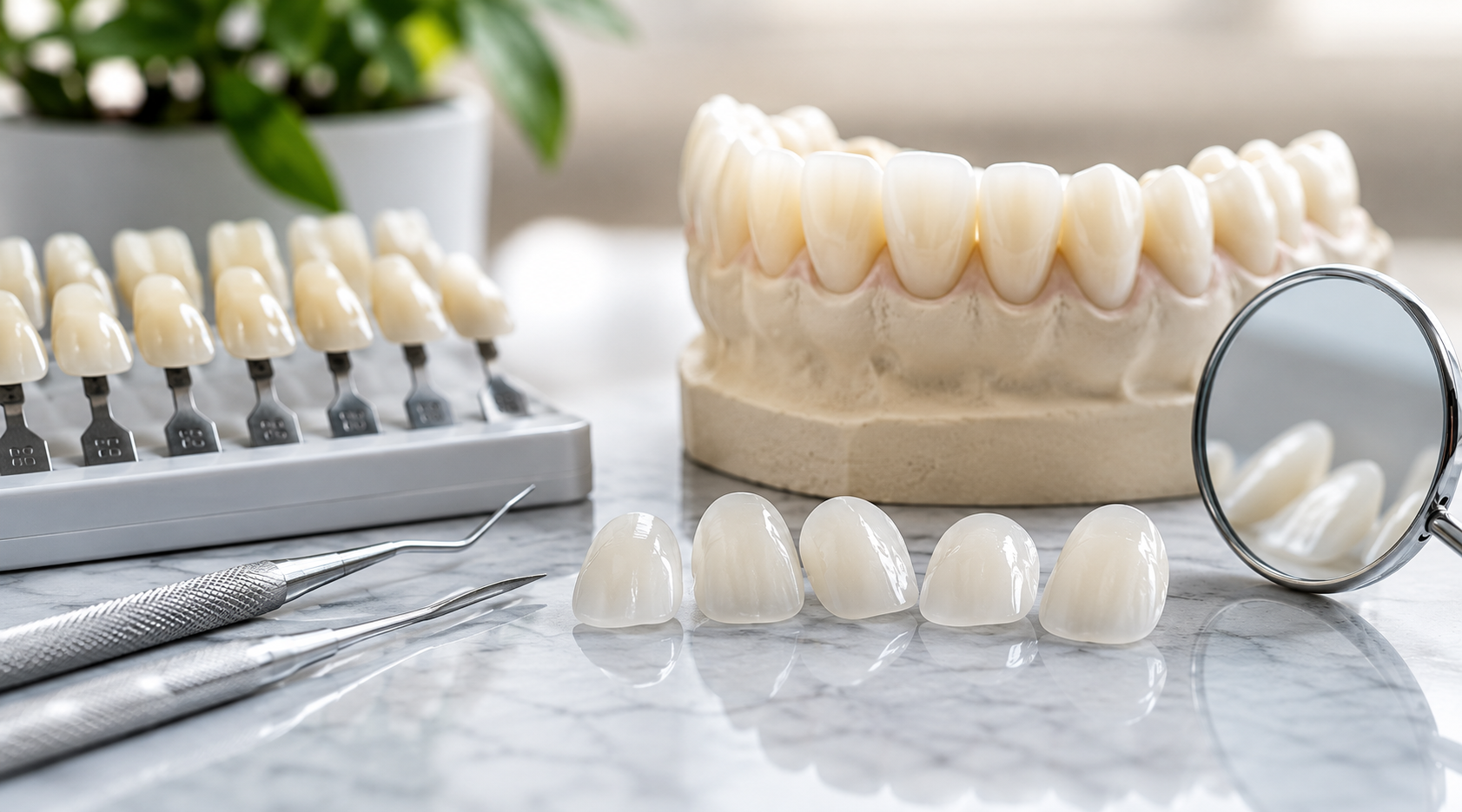
Dental veneers are thin, custom-made shells designed to cover the front surface of teeth. They are bonded to natural teeth to improve their color, shape, size, and overall appearance.
Veneers are commonly used in cosmetic dentistry to address concerns such as:
- Stained or discolored teeth that do not respond well to whitening treatments
- Chipped or worn teeth
- Minor gaps between teeth
- Slightly crooked or uneven teeth
- Teeth that appear too small or irregularly shaped
Because they are tailored to each individual, veneers can provide natural-looking results that complement a person's facial features and smile goals.
Types of Dental Veneers
Not all veneers are the same. The ideal choice depends on factors such as budget, desired results, oral health, and long-term expectations.
Porcelain Veneers
Porcelain veneers are among the most popular and widely recommended options in cosmetic dentistry.
Features
These veneers are crafted from high-quality ceramic materials in a dental laboratory. They are customized to match the shape, size, and color of surrounding teeth.
Advantages
- Highly natural appearance
- Excellent stain resistance
- Durable and long-lasting
- Reflect light similarly to natural enamel
- Customized for optimal aesthetics
Disadvantages
- Generally more expensive than other options
- Usually require removal of a small amount of enamel
- Treatment often involves multiple appointments
Durability
With proper care, porcelain veneers can last approximately 10 to 15 years or longer.
Ideal Candidates
Porcelain veneers are often suitable for individuals seeking long-term cosmetic improvement and willing to invest in a durable solution.
Composite Resin Veneers
Often referred to as composite veneers, these are created using tooth-colored resin materials applied directly to the teeth.
Features
The resin is sculpted and shaped by the dentist during the appointment to enhance the appearance of the teeth.
Advantages
- More affordable than porcelain veneers
- Usually completed in a single visit
- Require less enamel removal
- Easier to repair if chipped
Disadvantages
- More prone to staining over time
- Less durable than porcelain
- May require replacement sooner
Durability
Composite veneers typically last between 5 and 7 years, depending on maintenance and lifestyle habits.
Ideal Candidates
They may be appropriate for patients seeking cosmetic improvements with a lower upfront cost or those looking for a less invasive option.
No-Prep Veneers
No-prep veneers are ultra-thin veneers designed to preserve more natural tooth structure.
Features
Minimal or no enamel removal is required before placement.
Advantages
- Conservative treatment approach
- Reduced tooth preparation
- Often less sensitivity after treatment
- Reversible in select cases
Disadvantages
- Not suitable for all cosmetic concerns
- Limited ability to mask severe discoloration
- May appear bulkier in some situations
Durability
Their longevity varies depending on the material used but is generally comparable to traditional porcelain veneers.
Ideal Candidates
Individuals with minor aesthetic concerns and healthy tooth alignment may benefit from no-prep veneers.
Removable Veneers
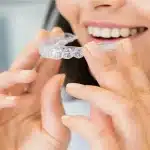
Sometimes called snap-on veneers, these removable appliances fit over existing teeth.
Features
They are not permanently bonded and can be taken out when needed.
Advantages
- Non-invasive
- Lower initial investment
- Immediate cosmetic enhancement
- No permanent alteration of teeth
Disadvantages
- Less natural appearance
- Limited functionality
- Not intended as a long-term substitute for professional treatment
- May affect speech or comfort
Durability
Durability varies depending on materials and frequency of use.
Ideal Candidates
Removable veneers may appeal to individuals seeking a temporary cosmetic option or exploring how a new smile might look before committing to permanent treatment.
The Dental Veneer Procedure
Understanding the veneer procedure can help patients feel more confident and prepared for treatment.
Initial Consultation
The process begins with a comprehensive dental examination.
During this appointment, the dentist may:
- Discuss aesthetic goals and expectations
- Review medical and dental history
- Evaluate oral health
- Take photographs and diagnostic images
- Determine whether veneers are appropriate
Treatment Planning
Once veneers are deemed suitable, a customized treatment plan is developed.
Factors considered include:
- Tooth color and shape
- Facial proportions
- Bite alignment
- Desired smile outcome
This planning stage helps ensure realistic expectations and personalized results.
Tooth Preparation
For traditional veneers, a small amount of enamel is typically removed from the tooth surface to create space for the veneer.
The amount removed is generally minimal but may vary depending on the type of veneer selected.
Impressions and Shade Selection
Detailed impressions or digital scans are taken to fabricate custom veneers.
The dentist also works with the patient to choose a shade that complements natural teeth and desired aesthetic preferences.
Temporary Veneers
If laboratory fabrication is required, temporary veneers may be placed while permanent restorations are being created.
These temporary restorations help protect prepared teeth and provide a preview of the anticipated appearance.
Fitting and Bonding
Once the permanent veneers are ready, the dentist checks:
- Fit
- Shape
- Color
- Overall appearance
Adjustments can be made before final placement.
The tooth surface is then prepared, and a specialized dental adhesive is used to bond the veneers securely.
Follow-Up Care
A follow-up visit may be recommended to assess comfort, function, and gum response.
Patients can discuss any concerns and receive guidance on long-term maintenance.
Benefits of Dental Veneers
The benefits of dental veneers extend beyond cosmetic enhancement.
Improved Smile Appearance
Veneers can address multiple concerns simultaneously, creating a more uniform and attractive smile.
Stain Resistance
Porcelain veneers are especially resistant to staining from common foods and beverages such as coffee, tea, and red wine.
Correction of Minor Imperfections
Veneers can improve the appearance of:
- Chips
- Small gaps
- Mild misalignment
- Uneven edges
- Irregular tooth shapes
Enhanced Confidence
Many individuals report increased self-esteem after improving the appearance of their smile.
Feeling comfortable smiling in social and professional settings can positively influence overall well-being.
Long-Lasting Results
With appropriate care and regular dental visits, veneers can provide years of aesthetic improvement.
Conservative Smile Makeover Option
Compared with crowns or orthodontic treatment in select cases, veneers may offer a less extensive approach to achieving a smile makeover.
Potential Risks and Considerations
Although veneers offer many advantages, they are not the right solution for everyone.
Cost
Veneers can represent a significant financial investment, particularly when multiple teeth are treated.
Insurance coverage may be limited because the procedure is often considered cosmetic.
Irreversibility
Traditional porcelain veneers typically require enamel removal, making the process irreversible.
Patients should carefully consider this aspect before proceeding.
Maintenance Requirements
While veneers do not decay, the underlying teeth and surrounding gums still require diligent care.
Poor oral hygiene can compromise long-term success.
Risk of Damage
Veneers can chip or crack under excessive force.
Habits such as nail biting, chewing ice, or using teeth as tools should be avoided.
Not Suitable for Everyone
Veneers may not be recommended for individuals with:
- Active gum disease
- Untreated tooth decay
- Severe teeth grinding without management
- Significant enamel loss
- Extensive structural tooth damage
Alternative treatments may be more appropriate depending on individual circumstances.
Aftercare Tips
Proper maintenance can help extend the lifespan of veneers and support overall oral health.
Practice Good Oral Hygiene
- Brush twice daily using a soft-bristled toothbrush.
- Use fluoride toothpaste.
- Floss every day.
- Clean along the gumline carefully.
Be Mindful of Dietary Habits
Although porcelain veneers resist stains, moderation is still beneficial.
Consider limiting excessive consumption of staining beverages and rinsing with water afterward.
Avoid Excessive Force
Do not:
- Bite hard objects
- Open packaging with your teeth
- Chew ice
- Bite fingernails
Wear a Night Guard if Recommended
Patients who grind or clench their teeth may benefit from a custom night guard to help protect veneers.
Schedule Regular Dental Visits
Routine examinations and professional cleanings allow dentists to monitor the condition of veneers and address concerns early.
Who Is an Ideal Candidate?
Adults seeking cosmetic improvements may be good candidates for dental veneers, particularly if they have:
- Healthy teeth and gums
- Good oral hygiene habits
- Realistic expectations
- Minor cosmetic concerns affecting the front teeth
- A desire for a more balanced, brighter smile
However, veneers are not always the best choice.
Alternative treatments may be recommended for patients whose concerns are better addressed through:
- Orthodontic treatment for significant alignment issues
- Teeth whitening for isolated discoloration
- Dental crowns for severely damaged teeth
- Gum therapy before cosmetic procedures
A comprehensive dental evaluation is essential for determining the most suitable treatment approach.
Conclusion
Dental veneers have transformed modern cosmetic dentistry, offering an effective way to enhance smiles by addressing discoloration, chips, gaps, and other minor imperfections. From durable porcelain veneers to more affordable composite veneers, several options are available to suit different needs and goals.
Understanding the veneer procedure, recognizing the benefits of dental veneers, and considering potential limitations can help individuals make informed decisions about their oral health and appearance. While veneers can contribute to a beautiful smile makeover, treatment outcomes depend on factors such as oral health, proper maintenance, and individualized planning.
If you're considering dental veneers, schedule a consultation with a qualified dentist to discuss your concerns, explore available treatment options, and determine whether veneers align with your smile goals. Professional guidance is the best way to identify the approach that supports both your confidence and long-term dental health.