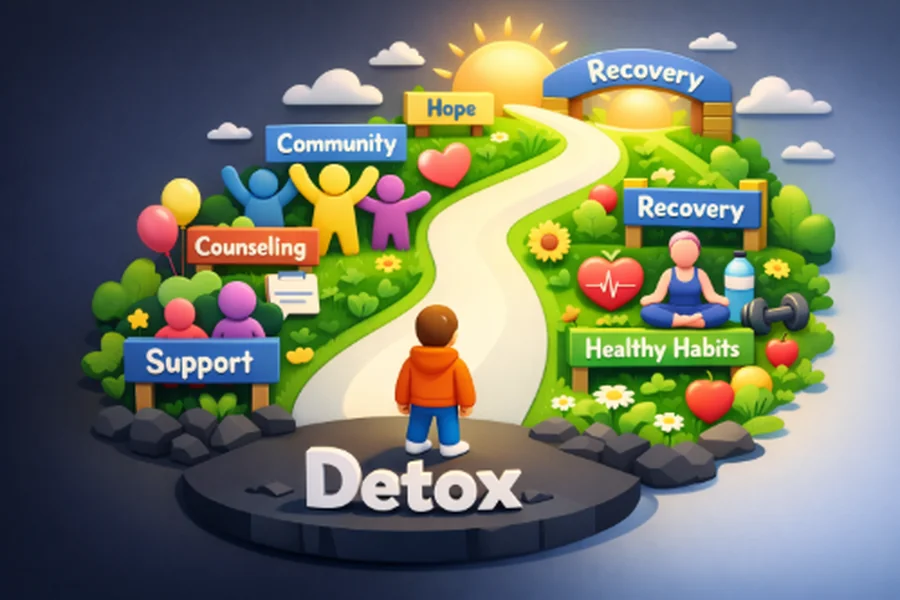
Starting the road to recovery from addiction is a brave and life-changing decision. The detoxification process, often called detox, marks the critical first milestone in this journey. Detox helps the body clear harmful substances, setting the stage for physical and psychological healing. For those seeking professional support, Detox in Boulder, Colorado provides structured, medically-supervised environments vital for safety and long-term success.
While essential, detox is only the beginning of a holistic recovery plan. Treating addiction extends far beyond the initial removal of substances, demanding a comprehensive approach that addresses underlying causes, mental health, and lifestyle changes. With the right guidance and support, this foundational step paves the way for continued progress and lasting wellness.
It is important to recognize that addiction impacts every facet of life, from physical health to relationships and emotional stability. Recovery involves ongoing treatment, the involvement of loved ones, and the development of healthy coping mechanisms. Understanding how detox fits into the broader recovery process can empower individuals and their families to make informed decisions and embrace lasting change.
Every recovery journey is unique, but the power of a supportive community and medically guided care cannot be understated. By approaching each step with patience and dedication, individuals can regain control, rebuild, and thrive well beyond detox.
Understanding Detoxification
Detoxification is the process by which the body eliminates drugs, alcohol, or other toxins that have built up due to substance use. This critical phase stands as the initial step in breaking physical dependence, enabling the body to start recovering its natural balance. Despite being a fundamental building block, detox alone cannot resolve the underlying patterns and drivers of addiction. As reported by the National Institute on Drug Abuse, evidence consistently shows that people who follow detox with comprehensive treatment achieve better long-term outcomes.
The Importance of Medical Supervision
Medical oversight during detox can be life-saving. For many substances, sudden withdrawal can lead to severe symptoms, including seizures, hallucinations, and heart complications. Trained healthcare professionals can assess risks, administer medications that ease withdrawal effects, and intervene in emergencies. As explained by Dr. Emma Fenske, addiction is a chronic health condition, making medical supervision essential to both safety and long-term health.
Physical and Psychological Benefits of Detox
- Physical Health Improvements: Once substances leave the system, organs such as the liver and kidneys can function more efficiently. Many people notice reductions in headaches, gastrointestinal issues, and fatigue after detox.
- Mental and Emotional Stability: Medically managed detox often leads to emotional relief by stabilizing mood swings, anxiety, or agitation. This newfound stability provides a solid foundation for entering behavioral therapy and addressing deeper psychological issues.
Effective detoxification goes beyond the absence of substances. It establishes a healthier baseline, which is crucial for participation in further treatment and the pursuit of long-term goals.
Transitioning from Detox to Ongoing Treatment
Detox should be seamlessly followed by therapy and ongoing support to avoid relapse. Rehabilitation programs, whether inpatient or outpatient, address the psychological, behavioral, and social dimensions of addiction. Structured therapy helps individuals understand their addiction, adopt healthier coping strategies, and create positive new routines. Aftercare and continued engagement are key components in relapse prevention and long-term recovery.
The Role of Support Systems in Recovery
Loneliness and isolation can fuel addictive behaviors, making connection a crucial part of recovery. Support systems usually include family, friends, therapists, and peer groups. Attending community programs and group meetings boosts accountability, reduces stigma, and fosters emotional resilience that can sustain sobriety. Building these networks is often as important as formal treatment itself.
Addressing Co-Occurring Disorders
Many individuals facing addiction also struggle with mental health challenges like anxiety, depression, or PTSD. Integrated treatment models are best suited to address these complexities, leading to improved outcomes and fewer relapses. Ignoring mental health can create roadblocks in sustaining recovery, highlighting the value of comprehensive care and individualized treatment planning.
Preparing for Life After Detox
The journey extends well beyond medical detox. Developing healthy habits, identifying triggers, and practicing self-care are all part of an ongoing commitment. Long-term therapy and support help reinforce new behaviors and cultivate resilience. Establishing a daily structure, making healthy lifestyle choices, and staying connected to support networks reduce the risk of relapse and nurture a sense of empowerment.
Celebrating Milestones in Recovery
Recognizing progress, no matter how small, can be uplifting and motivating. Celebrating anniversaries of sobriety, achieving personal goals, or rebuilding relationships reinforces positive changes and nurtures hope. These celebrations are vital reminders of growth, capability, and the value of perseverance throughout recovery.
While detoxification is the first transformative step in overcoming addiction, lasting recovery comes through continued treatment, community support, and personal growth. With determination, guidance, and encouragement, individuals can reclaim their health and rebuild their lives for the long term.