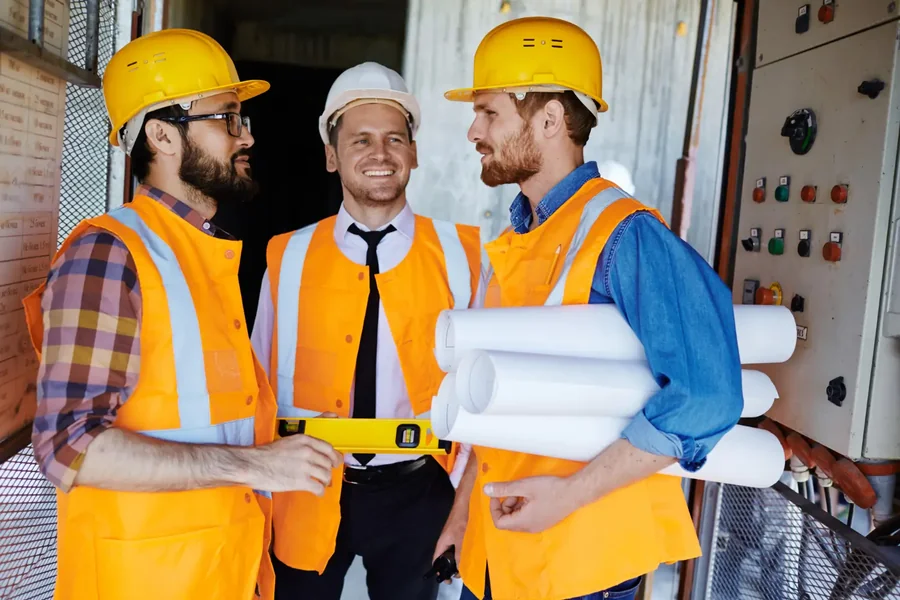
Working at above-ground levels is part of some jobs. Examples include building maintenance and construction. Even a simple project can become dangerous when it happens several feet above the ground. This is why learning some safety practices can help prevent injuries. Some of the practices you need to learn include the following:
Plan Every Task before Leaving the Ground
Successful projects start with proper planning before you even climb. Workers need to inspect the area properly and gather the right details before they move into position. Choosing dependable tools at height kits can help keep important tools secure. Not to mention, they can minimize the risks of dropped objects that can result in injuries.
Inspect Equipment before Every Use
Safety tools shouldn’t be used without an inspection. Anchor points, ladders, and scaffolding should be assessed for damage before every project starts. Finding minor issues early may prevent serious accidents later.
Build Safe Habits That Prevent Common Risks
Working safely at heights basically depends on good habits, which employees practice daily. Following a simple routine will make it much easier to prevent mistakes. Among the habits that workers need to practice are:
- Follow site safety procedures without taking shortcuts.
- Report any damaged tools immediately.
- Secure any loose tools before you start projects.
- Wear the right PPE all the time.Pay Attention to Weather and Surroundings
Outdoor conditions may change quickly. Heat, slippery surfaces, strong winds, and rain increase the risks of falls. Not to mention, they can make simple projects difficult to safely complete. Workers need to stop working on a project when conditions start becoming unsafe. This will help avoid unnecessary risks.
Use the Right Access Equipment
Some projects need different ways of reaching tall buildings. Ladders work for quick inspections, and aerial lifts provide better stability for projects that take a long time. Choosing the right tools doesn’t just improve comfort. It also lowers the risks of accidents and supports productivity better.
Communicate Clearly Throughout the Job
Effective communication helps keeps workers informed about every changing condition. Team members need to understand their duties and be familiar with emergency procedures. Good communication during and before any project can help to improve overall safety.
Keep Training
Gaining safety knowledge should be an ongoing thing, even after workers complete their initial training. A regular refresher course helps employees remember the right techniques. Not to mention, it can introduce them to safety equipment and standards. Moreover, ongoing learning can help build confidence when dealing with a challenging situation.
Avoid Rushing to Finish Projects
The pressure of completing projects quickly usually results in poor decision-making. Employees who rush can ignore inspections and use tools incorrectly without being aware of the danger. Taking more time to finish every step carefully will protect workers throughout.
In conclusion, working above ground levels doesn’t just need consistent safety. It also needs attention and preparation daily to minimize risks. When safety is part of every project you undertake, employees will not just return home safely. They will also finish their projects with greater efficiency and confidence.