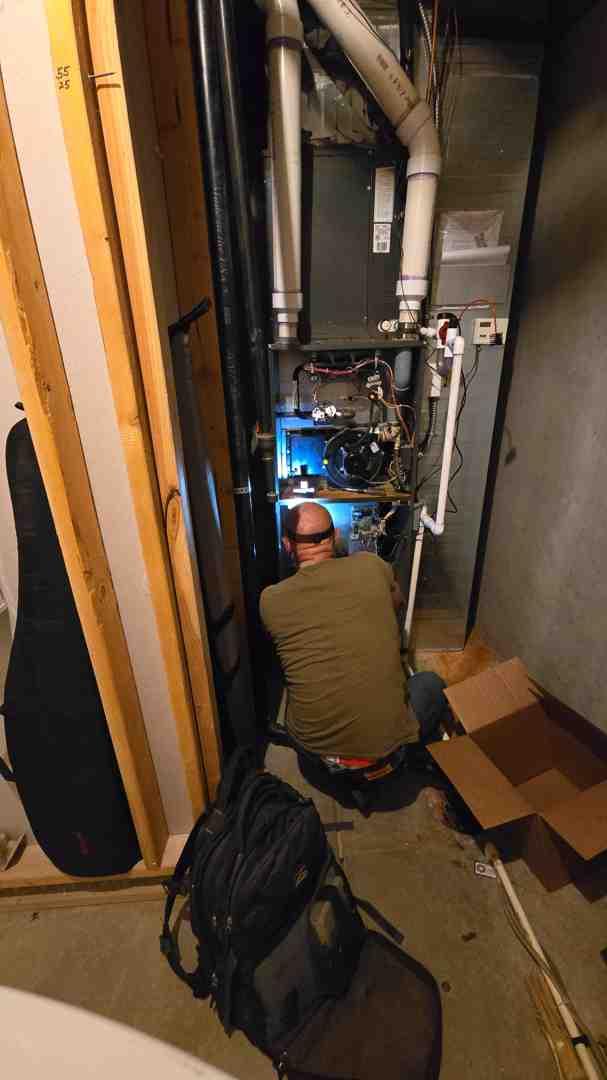
Why Annual Furnace Maintenance Is Vital in Denver’s Climate
Denver’s unique climate, characterized by cold, dry winters and significant temperature fluctuations, places considerable stress on home heating systems. For residents across the Mile High City, annual furnace maintenance isn’t merely a suggestion; it’s a critical investment in comfort, safety, and financial well-being. Neglecting this essential service can lead to a cascade of problems, from skyrocketing utility bills to dangerous safety hazards, making proactive care indispensable.
Regular furnace inspections, as widely recommended by industry experts, are paramount for keeping heating systems running safely and efficiently, especially in a city where winter temperatures regularly dip below freezing. Without proper maintenance, your furnace works harder to produce the same amount of heat, leading to increased wear and tear, diminished efficiency, and a higher likelihood of unexpected breakdowns when you need your heating most.
Extending Equipment Lifespan and Lowering Heating Bills
A furnace is a significant home investment, typically designed to last between 15 to 20 years. However, this lifespan is heavily influenced by the consistency and quality of its maintenance. Think of it like a car: regular oil changes and tune-ups keep it running smoothly for longer. Similarly, annual furnace maintenance directly contributes to the longevity of your heating system by addressing minor issues before they escalate into major, costly repairs.
During a professional tune-up, technicians meticulously clean components, lubricate moving parts, and ensure all elements are working in harmony. This process significantly reduces wear and tear on critical parts, preventing premature failure and extending the overall life of the unit. Moreover, optimized airflow and combustion efficiency achieved through maintenance mean your furnace doesn’t have to strain itself to heat your home. This operational efficiency translates directly into monthly savings on your energy bills, as a well-maintained furnace consumes less fuel to deliver consistent warmth. Over the course of a Denver winter, these savings can be substantial, effectively paying for the maintenance itself. Annual furnace maintenance is proven to improve heating system performance, efficiency, and longevity, safeguarding your investment for years to come.
Mitigating Winter Safety and Breakdown Risks
Beyond efficiency and longevity, the most critical aspect of regular furnace maintenance in Denver is safety. Furnaces, particularly those powered by natural gas, can pose serious risks if not properly maintained. A cracked heat exchanger, for instance, can allow dangerous carbon monoxide (CO) gas to leak into your home – an odorless, colorless, and potentially lethal threat. Professional inspections include checking for such cracks and other potential leak points, ensuring your family’s safety.
Furthermore, issues like faulty gas valves or inadequate ventilation can lead to gas leaks or improper combustion, increasing fire hazards. Technicians also inspect and test safety limit switches and other controls designed to shut down the furnace if a problem arises, preventing overheating or other dangerous malfunctions. In Denver’s freezing temperatures, an unexpected furnace breakdown can quickly become more than an inconvenience; it can be a health risk. Regular maintenance helps identify and resolve small issues, such as a failing igniter or a clogged filter, before they lead to an emergency shutdown in the middle of a blizzard. This proactive approach ensures freeze protection for your pipes and continuous warmth for your household, mitigating the risks of sudden mid-winter breakdowns and keeping your system running safely and efficiently.
Essential Insights from a Veteran’s Denver Furnace Guide
Navigating furnace maintenance in Denver requires a nuanced understanding of local conditions and specific system requirements. For homeowners seeking comprehensive information, consulting a reliable local resource is invaluable. A well-regarded Veteran’s Denver furnace guide often provides tailored advice for our unique environment, emphasizing the importance of a fall tune-up and pre-winter inspection. These guides typically highlight that high-altitude combustion can affect furnace performance, making precise adjustments during maintenance crucial. Whether you have a traditional gas furnace, an electric unit, or a more modern system, understanding the specific maintenance needs for each is key to optimal operation.
For an in-depth look at local considerations and expert recommendations, we highly recommend exploring a Veteran’s Denver furnace guide for practical tips and detailed insights on maintaining your heating system in the Mile High City.
Recommended Timing: Seasonal Tips from a Veteran’s Denver Furnace Guide
The question of “when” to schedule furnace maintenance is as important as “why.” For Denver residents, the autumn scheduling is overwhelmingly the best option. Scheduling furnace service in the fall is the ideal time to catch and resolve small issues before the cold weather truly sets in, ensuring your system is prepared for winter readiness. This proactive approach allows technicians to address any potential problems without the urgency and higher demand of peak winter months.
By getting your furnace inspected and tuned up in early fall, typically September or October, you avoid the rush when everyone else realizes their furnace isn’t working optimally as temperatures drop. This allows for more flexible scheduling and gives you peace of mind knowing your system is ready for the demands of a harsh Colorado winter. Early diagnostics can identify issues like worn components or calibration needs, such as thermostat calibration, which can then be addressed before they lead to a complete system failure during the coldest days. This strategic timing ensures your furnace operates efficiently from day one of the heating season, preventing costly emergency repairs and ensuring consistent comfort.
Heating System Types Serviced Across the Mile High City
Denver homes are equipped with a variety of heating systems, and reputable maintenance companies are prepared to service them all. The most common type found in the Mile High City is the natural gas furnace, known for its efficiency and widespread availability. However, many homes also feature electric heating systems, particularly in areas without natural gas access or as a supplemental heat source.
Beyond these traditional options, modern HVAC technology has introduced more sophisticated systems. This includes dual-fuel systems, which combine a heat pump with a gas furnace for optimal efficiency in varying temperatures, and high-efficiency modulating furnaces that can adjust their heat output to precisely match demand. Variable-speed blowers are also becoming increasingly common, offering enhanced comfort and energy savings by distributing air more evenly. Regardless of your specific system – be it a conventional gas furnace, an electric unit, or a cutting-edge modulating furnace with a variable-speed blower – professional maintenance is essential to ensure its proper function and longevity. Experienced technicians in Denver are trained to handle the intricacies of each type, providing tailored service that maximizes performance and efficiency.
What a Comprehensive Denver Furnace Tune-Up Includes
When you schedule professional furnace maintenance in Denver, you’re investing in a thorough inspection and tune-up designed to optimize your system’s performance and safety. A comprehensive service goes far beyond a quick glance, involving a detailed examination of numerous components. Typically, a technician will begin by checking the overall system operation, followed by a meticulous process that includes burner cleaning to ensure efficient combustion, and blower motor lubrication to reduce friction and wear. They will also inspect and tighten electrical connections to prevent hazards and ensure reliable operation, test safety limit switches to confirm they function correctly, and perform a flue inspection to ensure proper exhaust venting.
Core Checkpoints in a Veteran’s Denver Furnace Guide
A detailed furnace tune-up, often outlined in depth by expert local resources like a Veteran’s Denver furnace guide, covers critical checkpoints essential for both safety and efficiency. One of the most important steps is heat exchanger testing, which checks for cracks or corrosion that could lead to dangerous carbon monoxide leaks. Technicians also measure and adjust gas valve pressure to ensure the correct fuel-to-air mixture for optimal combustion. Flame sensor cleaning is crucial, as a dirty sensor can cause the furnace to short cycle or fail to ignite. The draft inducer check confirms proper ventilation, while filter replacement (or cleaning for reusable filters) is vital for maintaining good airflow and indoor air quality. Additionally, technicians will inspect the ignition system, check the thermostat for accuracy, examine ductwork for leaks, and assess overall system controls to ensure everything is functioning as intended. This meticulous attention to detail ensures your furnace operates safely, efficiently, and reliably throughout the heating season.
Homeowner Checklist for Intermittent Care
While professional annual maintenance is indispensable, there are several tasks homeowners can perform regularly to supplement professional service and keep their furnace running smoothly between appointments. Incorporating these simple steps into your routine can help maintain efficiency and prevent minor issues from escalating.
Here’s a homeowner checklist for intermittent furnace care:
- Change or Clean Air Filters Regularly: This is perhaps the most crucial homeowner task. Check your furnace filter monthly and replace disposable MERV filters every 1 to 3 months, or clean reusable filters as recommended by the manufacturer. A clean filter ensures optimal airflow, improves efficiency, and enhances indoor air quality.
- Keep Exterior Vents Clear: Ensure that the area around your furnace’s exhaust and intake vents outside your home is free from snow, ice, leaves, or debris. Blocked vents can lead to carbon monoxide buildup or furnace shutdowns.
- Maintain Clear Return Air Registers: Make sure furniture, rugs, or other obstructions are not blocking return air registers inside your home. Good airflow is essential for efficient operation.
- Monitor Your Thermostat: Periodically check your thermostat for accuracy. If you notice significant discrepancies between the set temperature and the actual room temperature, it might indicate a thermostat issue or a furnace problem.
- Listen and Observe: Pay attention to any unusual noises (e.g., banging, squealing, grinding) or smells coming from your furnace. Also, observe the color of the pilot light flame (if applicable); it should be blue, not yellow or orange. These are often early indicators of a problem.
- Keep the Area Around the Furnace Clear: Ensure there’s at least a few feet of clear space around your furnace. This provides adequate airflow for combustion and prevents fire hazards.
By consistently performing these simple maintenance tasks, you contribute significantly to your furnace’s efficiency, longevity, and safe operation, complementing the thorough work of professional technicians.
Recognizing When Your Heating System Needs Immediate Attention
Even with regular maintenance, it’s crucial for Denver homeowners to be aware of the signs that their furnace might need immediate professional attention or repair. Ignoring these indicators can lead to more severe problems, costly repairs, or even safety hazards. Recognizing these warning signs early can save you discomfort, money, and potential danger.
Here are the key signs that your furnace needs maintenance or repair:
- Unusual Noises: Furnaces typically operate with a consistent, low hum. Any new or unusual sounds like banging, rattling, squealing, grinding, or popping can indicate a mechanical issue, such as a loose component, a failing motor, or a worn-out belt.
- Yellow Burner Flame: For gas furnaces, the burner flame should be a crisp blue color. A yellow or orange flame is a significant warning sign that your furnace is not burning fuel efficiently and could be producing dangerous carbon monoxide. This requires immediate professional inspection.
- Short Cycling: If your furnace turns on and off frequently, running for short bursts instead of completing a full heating cycle, it’s known as short cycling. This can be caused by a variety of issues, including an oversized unit, a clogged filter, or a faulty thermostat, and it significantly reduces efficiency and increases wear.
- Cold Spots or Uneven Heating: If certain rooms in your home are noticeably colder than others, or if the overall heating feels inconsistent, it suggests a problem with your furnace’s ability to distribute heat effectively. This could be due to ductwork issues, a struggling blower, or a furnace that isn’t operating at full capacity.
- Soaring Utility Bills: A sudden and unexplained spike in your energy bills, especially during months when your heating usage hasn’t drastically changed, is a strong indicator that your furnace is losing efficiency and working harder than it should.
- Persistent Dust or Poor Air Quality: While some dust is normal, an unusual increase in dust around your home, or a noticeable decline in indoor air quality (e.g., dry air, stale smells), can point to issues with your furnace filter, ductwork, or humidifier.
- Pilot Light Problems: If your pilot light frequently goes out (for older models), or if your electronic ignition system fails to light the burners consistently, it indicates a problem that needs professional diagnosis.
- Strange Odors: While a slight burning smell might occur when you first turn on your furnace for the season, persistent or strong odors—especially a rotten egg smell (indicating a gas leak) or a metallic/burning smell—are serious warning signs that require immediate attention.
If you observe any of these signs, it’s crucial to contact a qualified HVAC technician in Denver promptly. Addressing these issues early can prevent further damage, ensure your system’s safety, and restore your home’s comfort and efficiency.
How to Choose a Reputable Denver Heating Contractor
Selecting the right furnace maintenance company in Denver is a critical decision that impacts the safety, efficiency, and longevity of your heating system. With numerous options available, knowing what to look for can help you make an informed choice. You want a partner who not only understands the technical aspects of furnace care but also the unique demands of Denver’s climate and homeowners.
Here’s what to look for in a reputable furnace maintenance company in Denver, CO:
- Licensing and Insurance: Always verify that the company and its technicians are fully licensed to perform HVAC work in Colorado and Denver. This ensures they meet professional standards and are legally authorized to operate. Equally important, confirm they carry adequate insurance (liability and worker’s compensation) to protect you from any financial responsibility in case of accidents or damage during service.
- NATE Certification: Look for technicians who hold NATE (North American Technician Excellence) certification. NATE is the leading certification program for HVAC technicians, signifying a high level of knowledge and skill in heating, ventilation, air conditioning, and refrigeration. This certification demonstrates a commitment to ongoing training and industry best practices.
- 24/7 Emergency Service: While regular maintenance aims to prevent emergencies, breakdowns can still happen at the most inconvenient times. A reputable company will offer 24/7 emergency services, ensuring that you have access to help when you need it most, even on weekends or holidays, without exorbitant overtime charges. Many established companies in Denver, for example, offer same-day furnace repair seven days a week, highlighting their dedication to customer needs.
- Transparent Estimates and Pricing: A trustworthy company will provide clear, written estimates before any work begins, detailing the services to be performed and the associated costs. They should be upfront about their pricing structure and avoid hidden fees. Be wary of companies that offer significantly lower prices than competitors, as this can sometimes indicate subpar service or unexpected add-ons later.
- Established Local Track Record and Positive Reviews: Look for companies with a long-standing presence in the Denver community. A business that has been serving homeowners for many years, with some having over 40 or even 50 years of experience, typically indicates reliability, expertise, and a commitment to customer satisfaction. Check online reviews on independent platforms to gauge other customers’ experiences regarding professionalism, timeliness, and the quality of work. A high on-time record for service calls, for instance, reflects a company’s respect for your time.
- Comprehensive Service Offerings: A good company will offer a full range of HVAC services, from routine maintenance and repairs to new system installations. This indicates a breadth of expertise and means you can rely on them for all your heating and cooling needs.
- Guarantees and Warranties: Inquire about any guarantees on their work or warranties on parts they install. A reputable company stands behind its service and products.
By carefully evaluating these factors, you can choose a Denver heating contractor that provides reliable, high-quality furnace maintenance, ensuring your home remains comfortable and safe throughout the year.
Frequently Asked Questions about Denver Heating Maintenance
Homeowners often have specific questions regarding furnace maintenance, especially given Denver’s unique climate and the critical role heating plays during the long winter months. Here, we address some of the most common inquiries to provide clarity and reinforce the importance of regular care.
How often should a furnace be serviced in Denver?
For optimal performance, safety, and longevity, we strongly recommend an annual furnace inspection and tune-up. This annual service is crucial for several reasons. Firstly, it ensures your system is operating at peak efficiency, which is vital for managing energy bills in Denver’s cold winters. Secondly, it allows technicians to identify and rectify minor issues before they escalate into major breakdowns, often preventing costly emergency repairs. Thirdly, many furnace manufacturers require annual professional maintenance to keep your warranty valid. Skipping these annual appointments could void your warranty, leaving you responsible for the full cost of repairs if a major component fails. Scheduling this pre-winter tune-up in the fall is ideal, preparing your system before the coldest temperatures hit and ensuring compliance with manufacturer guidelines.
What are the dangers of skipping annual furnace tune-ups?
Neglecting annual furnace maintenance carries several significant risks that can impact your home’s safety, your comfort, and your wallet. One of the most severe dangers, particularly with gas furnaces, is the potential for carbon monoxide leaks. A cracked heat exchanger or improper combustion, often undetected without professional inspection, can release this odorless, colorless, and deadly gas into your home.
Beyond safety, skipping tune-ups drastically increases the likelihood of a sudden mid-winter breakdown. Imagine your furnace failing on the coldest night of the year, leaving your family without heat and potentially leading to frozen pipes. Moreover, a neglected furnace operates less efficiently, leading to elevated utility costs as it struggles to heat your home. This inefficiency also puts undue stress on components, contributing to premature equipment failure and shortening the overall lifespan of your expensive heating system, ultimately costing you more in replacement costs down the line.
Can routine maintenance lower winter energy bills in Colorado?
Absolutely. Routine furnace maintenance is one of the most effective strategies for lowering your winter energy bills in Colorado. Over time, furnaces accumulate dust and debris, and components can fall out of calibration. This leads to decreased combustion efficiency, meaning your furnace has to burn more fuel to produce the same amount of heat.
During a professional tune-up, technicians clean vital components, ensure proper airflow by changing filters, lubricate moving parts, and calibrate the system. This meticulous process optimizes combustion efficiency, ensuring your furnace extracts the maximum heat from the fuel it consumes. With unrestricted airflow and a finely tuned system, your furnace doesn’t have to work as hard or run as long, leading to a reduced heating cycle duration. This directly translates to lower fuel consumption and significantly reduced energy bills throughout the colder months. Many homeowners find that the savings on their energy bills can often offset the cost of the annual maintenance itself, making it a smart financial decision.
Conclusion
As Denver continues to experience its characteristic cold winters, the importance of a well-maintained furnace cannot be overstated. This guide has underscored that regular furnace maintenance in Denver, CO, is not just about keeping warm; it’s a comprehensive approach to ensuring home safety, maximizing heating reliability, and achieving significant long-term cost savings. From extending the lifespan of your system to mitigating dangerous carbon monoxide risks and reducing energy bills, the benefits of annual tune-ups are undeniable.
By understanding what a comprehensive service entails, recognizing the signs that your system needs attention, and knowing how to choose a reputable local contractor, you empower yourself to make informed decisions for your home. Prioritizing your furnace’s health means investing in peace of mind, consistent comfort, and peak performance throughout every Denver winter. Don’t wait for the cold to set in; proactive maintenance is the key to a warm, safe, and efficient home all season long.