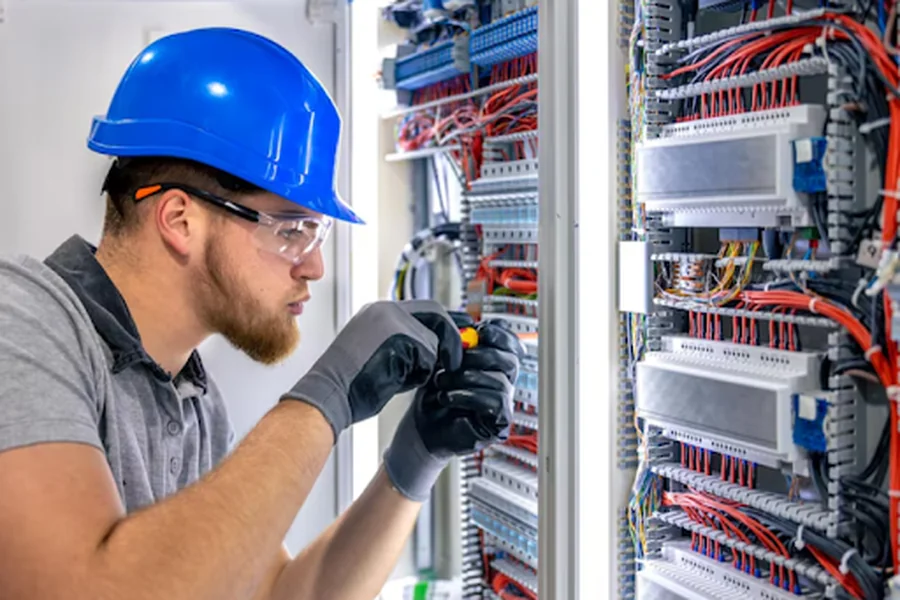
Electricity powers almost every aspect of modern life. From lighting and appliances to entertainment systems, security devices, air conditioning units, and smart home technology, today’s homes and commercial buildings depend heavily on a safe and reliable electrical system. While many property owners focus on visible upgrades such as renovations, new appliances, or solar installations, one of the most important components of any electrical system often remains out of sight and out of mind—the switchboard.
As energy consumption continues to increase, older electrical systems are being placed under greater pressure than ever before. Many properties still operate with outdated switchboards that were installed decades ago, long before the rise of modern technology and energy-intensive equipment. A switchboard upgrade can help property owners modernise their electrical infrastructure to improve safety, reliability, and capacity for growing energy demands. As a result, there is a growing need for a professional switchboard upgrade Sydney service to ensure buildings remain safe, compliant, and capable of supporting current and future electrical demands.
Understanding the Purpose of a Switchboard
A switchboard serves as the central control point of a property’s electrical system. Every electrical circuit within a building connects through the switchboard, which distributes electricity safely throughout the premises.
When functioning properly, the switchboard manages power distribution while protecting circuits from overloads, faults, and short circuits. Without this protection, electrical systems would be vulnerable to serious safety hazards that could result in damaged equipment, electrical fires, or personal injury.
The switchboard acts as the heart of the electrical network, ensuring electricity flows where it is needed while maintaining safe operating conditions. Whether in a residential home, office building, retail premises, or industrial facility, the switchboard plays a critical role in supporting daily operations.
Despite its importance, many property owners rarely inspect or consider the condition of their switchboard until a problem arises. This can be risky, especially in older buildings where electrical systems may no longer meet current safety standards.
How Electrical Demands Have Changed Over Time
Several decades ago, electrical consumption within homes was relatively modest. Most households relied on basic lighting, a few kitchen appliances, and limited entertainment equipment. Switchboards installed during that era were designed to handle significantly lower electrical loads.
Today’s properties are very different. Modern households often contain multiple televisions, computers, gaming systems, smart devices, security systems, air conditioning units, charging stations, and energy-intensive appliances operating simultaneously.
Commercial properties have also experienced substantial increases in electrical demand. Businesses now depend on computers, networking equipment, climate control systems, advanced lighting solutions, and specialised machinery that require consistent and reliable power.
As these demands continue to grow, older switchboards may struggle to cope. Once sufficient systems can become overloaded, creating potential safety concerns and operational inefficiencies.
The Risks Associated with Outdated Switchboards
One of the primary reasons for upgrading a switchboard is to reduce safety risks. Older switchboards often lack the protective features found in modern electrical installations, making them more vulnerable to faults and failures.
Outdated systems may contain ageing components that deteriorate over time. Exposure to heat, moisture, dust, and general wear can affect performance and increase the likelihood of electrical problems. In some cases, older switchboards still rely on ceramic fuses rather than modern circuit breakers and safety devices.
When electrical systems become overloaded, excessive heat can build up within wiring and switchboard components. This heat can damage equipment and significantly increase the risk of electrical fires.
Another concern involves electric shock hazards. Modern switchboards incorporate safety mechanisms designed to detect faults and disconnect power rapidly when dangerous conditions occur. Older systems may not provide the same level of protection, placing occupants at greater risk.
Regular inspections by qualified electricians can help identify these issues before they develop into serious problems.
The Role of Modern Safety Devices
Advances in electrical technology have significantly improved safety standards over recent decades. Modern switchboards include a range of protective devices designed to reduce risks and improve system reliability.
Residual Current Devices, commonly known as RCDs, are among the most important safety features. These devices continuously monitor electrical current and disconnect power almost instantly if they detect an imbalance that could indicate an electric shock hazard.
Modern circuit breakers provide superior protection compared to older fuse-based systems. Rather than requiring manual replacement after a fault occurs, circuit breakers can be reset once the issue has been addressed.
Some advanced switchboards also incorporate arc fault detection technology. These systems identify dangerous electrical arcs that can lead to fires and automatically disconnect power before significant damage occurs.
Together, these technologies create a much safer environment for building occupants while helping protect valuable electrical equipment.
The Switchboard Upgrade Process
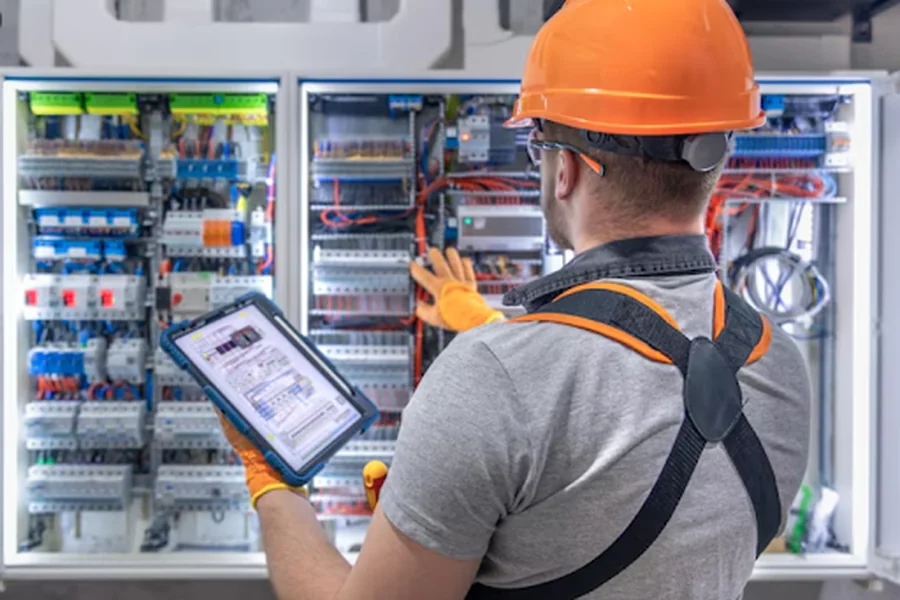
A professional switchboard upgrade begins with a detailed assessment of the existing electrical system. A licensed electrician will inspect the current installation, evaluate its condition, and identify any areas of concern.
During this stage, the property’s current and future power requirements are carefully considered. This ensures the new switchboard is capable of supporting anticipated electrical demands.
Once planning is complete, the existing switchboard and associated components are safely removed. The new switchboard is then installed, along with any required safety devices and upgraded wiring connections.
After installation, extensive testing is conducted to verify that all circuits function correctly and comply with applicable electrical standards. Documentation is typically provided to confirm compliance and assist with future maintenance.
This systematic approach helps ensure a smooth transition while minimising disruption to the property’s electrical supply.
Choosing the Right Electrical Professional
The success of a switchboard upgrade depends heavily on the expertise of the electrician performing the work. Electrical systems are highly regulated, and all installations must comply with strict safety standards.
Property owners should seek qualified, licensed professionals with experience in switchboard upgrades and modern electrical systems. Reviewing credentials, customer feedback, and previous project experience can help identify reputable service providers.
An experienced electrician can also offer valuable guidance regarding future energy requirements, renewable energy integration, and ongoing maintenance strategies.
Clear communication throughout the project helps ensure expectations are met and potential challenges are addressed efficiently.
The Importance of Ongoing Maintenance
Even after a switchboard upgrade has been completed, regular maintenance remains essential. Electrical systems are subject to wear and environmental influences that can affect performance over time.
Routine inspections allow electricians to identify minor issues before they escalate into major problems. Components can be tested, cleaned, and adjusted as necessary to maintain optimal operation.
Preventive maintenance also helps ensure continued compliance with evolving safety regulations and industry standards. For commercial properties in particular, regular inspections can be a valuable part of broader risk management strategies.
Maintaining a modern switchboard properly extends its lifespan and helps preserve the safety and reliability of the entire electrical system.
Conclusion
As electrical demands continue to increase, maintaining a safe and capable electrical system has become more important than ever. An outdated switchboard may struggle to support modern appliances, smart technologies, and renewable energy systems while exposing occupants to unnecessary safety risks.
Investing in a professional switchboard upgrade Sydney service provides a practical solution that enhances safety, improves efficiency, and prepares properties for future technological advancements. Modern switchboards incorporate advanced protective devices, greater capacity, and improved reliability, making them an essential component of today’s electrical infrastructure.
By upgrading ageing systems and maintaining them properly, property owners can protect their investment, comply with current regulations, and create a safer environment for everyone who relies on the building’s electrical network.