As industries expand, cities grow, and renewable energy projects continue to reshape the energy landscape, the demand for reliable electrical infrastructure has never been greater. Every home, business, hospital, transport network, and manufacturing facility depends on a stable supply of electricity to operate efficiently. Behind this dependable power network lies an extensive system of substations that regulate, distribute, and protect the flow of electricity across transmission and distribution networks.
Building these facilities requires specialised engineering expertise, careful planning, and strict adherence to safety and regulatory standards. Choosing an experienced substation construction company is therefore one of the most important decisions for utilities, developers, industrial operators, and government organisations undertaking electrical infrastructure projects. Substations are far more than collections of transformers and switchgear; they are highly engineered facilities that serve as essential links between electricity generation and end users.
As Australia’s energy demands continue to evolve, the importance of professionally designed and constructed substations becomes increasingly evident.
Understanding the Purpose of Electrical Substations
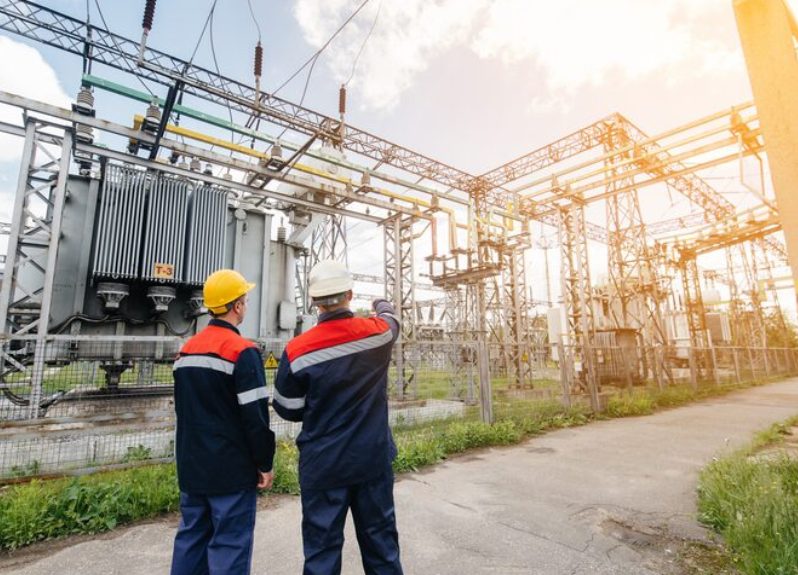
Electrical substations perform a fundamental role within modern power systems by controlling the movement of electricity between different voltage levels. Electricity generated at power stations travels across transmission networks at extremely high voltages to minimise energy losses over long distances. Before this electricity reaches homes, businesses, schools, hospitals, and industrial facilities, its voltage must be adjusted to appropriate levels for safe distribution and consumption.
Substations perform this transformation while simultaneously monitoring electrical loads, isolating faults, and protecting equipment from damage. Without these facilities, electricity could not be delivered safely or efficiently throughout national power networks.
In addition to voltage transformation, substations improve system reliability by allowing operators to reroute electricity during maintenance activities or unexpected outages. This flexibility helps minimise service interruptions while supporting continuous power supply across communities and industries.
The Growing Demand for Modern Electrical Infrastructure
Australia’s infrastructure landscape has changed significantly over recent decades. Population growth, urban expansion, renewable energy developments, electric vehicle adoption, and increasing industrial activity have all contributed to greater demand for electricity.
Traditional electrical infrastructure must now accommodate new energy sources while maintaining stability across increasingly complex networks. Solar farms, wind farms, battery storage systems, and distributed generation require sophisticated substations capable of integrating multiple energy inputs into existing transmission systems.
At the same time, ageing infrastructure requires upgrades to improve efficiency, increase capacity, and meet modern safety standards. This combination of expansion and renewal has created growing demand for specialist electrical engineering companies capable of delivering high-quality substation projects across diverse environments.
Planning Forms the Foundation of Every Successful Project
Every electrical substation begins with detailed planning long before construction activities commence. Comprehensive planning ensures that each facility satisfies operational requirements while meeting environmental, engineering, financial, and regulatory objectives.
Site selection represents one of the earliest considerations. Engineers evaluate land conditions, accessibility, environmental constraints, flood risks, existing utility services, and proximity to transmission corridors before recommending suitable locations.
Detailed feasibility studies assess projected electrical demand, future expansion opportunities, equipment requirements, and long-term operational performance. These assessments enable stakeholders to make informed investment decisions while reducing project risks throughout construction.
Planning also includes coordination with local authorities, utility providers, environmental consultants, and community stakeholders to ensure compliance with all applicable legislation and planning approvals.
Engineering Excellence Drives Reliable Performance
Substation engineering combines numerous technical disciplines into one integrated design solution. Electrical engineers collaborate closely with structural, civil, mechanical, and environmental specialists to develop facilities capable of operating safely for decades.
Electrical design focuses on equipment configuration, protection systems, control systems, cable routeing, grounding networks, fault protection, and operational redundancy. Structural engineers ensure equipment foundations, steel structures, buildings, and support systems withstand environmental loads, including wind, seismic activity, and extreme weather conditions.
Civil engineers design drainage systems, site access roads, retaining structures, earthworks, and stormwater management to protect both infrastructure and surrounding environments.
The successful integration of these engineering disciplines ensures every component functions together efficiently throughout the substation’s operational lifespan.
Construction Requires Precision at Every Stage
Constructing an electrical substation involves far greater complexity than conventional building projects. Every stage must comply with rigorous engineering specifications while maintaining strict quality control throughout construction.
Initial works generally include earthworks, foundation preparation, underground services, drainage installation, and site stabilisation. Once these elements have been completed, structural components, including equipment foundations, transformer bays, cable trenches, steel support structures, and control buildings, are constructed.
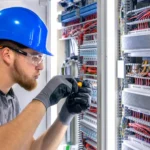
Electrical installation follows, involving transformers, circuit breakers, switchgear, protection equipment, busbars, cables, communications systems, earthing networks, and control panels. Every component must be installed with exceptional accuracy to ensure safe operation under varying electrical loads.
Testing and commissioning represent equally important phases, confirming that all equipment performs according to design specifications before energisation occurs.
Safety Remains the Highest Priority
Electrical infrastructure projects operate within environments where safety cannot be compromised. High-voltage systems present significant hazards, making comprehensive safety planning essential throughout every project stage.
Construction teams follow strict procedures designed to minimise risks associated with excavation, heavy lifting, electrical installations, confined spaces, working at heights, and equipment commissioning. Regular safety inspections, risk assessments, and ongoing staff training help maintain safe working environments.
Once construction is complete, substations continue incorporating numerous protective systems, including grounding networks, fencing, fire protection, security systems, equipment isolation procedures, and emergency shutdown capabilities.
These measures protect construction personnel, maintenance teams, utility operators, and surrounding communities throughout the facility’s operational life.
Choosing an Experienced Construction Partner
Delivering successful substation projects requires more than technical capability alone. Experience, project management expertise, quality assurance, regulatory knowledge, and effective stakeholder communication all contribute to successful project delivery.
A capable construction partner understands the complexities of electrical infrastructure while coordinating multiple engineering disciplines, specialist subcontractors, regulatory authorities, utility providers, and project stakeholders. This collaborative approach helps minimise delays, control project costs, and maintain high construction standards throughout every phase.
Equally important is the ability to adapt to changing project requirements while maintaining rigorous quality control and safety performance. Infrastructure projects frequently encounter unforeseen challenges, making practical experience invaluable for delivering reliable outcomes.
The Future of Electrical Substation Construction
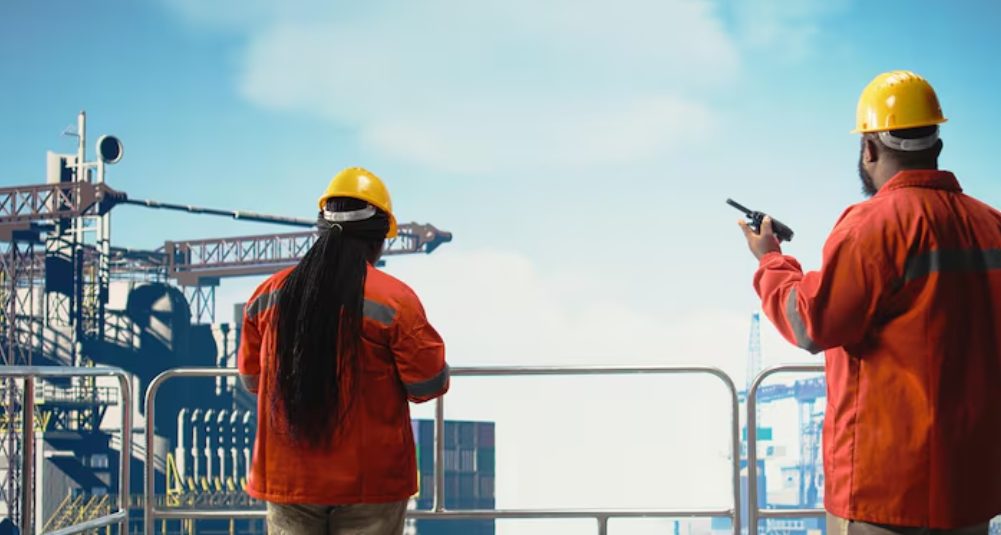
Australia’s electricity network will continue evolving as emerging technologies reshape energy generation and consumption. Population growth, electrification of transport, renewable energy integration, smart grid technologies, and increasing digital connectivity will all influence future substation design.
Future facilities are expected to incorporate greater automation, artificial intelligence, enhanced cybersecurity, improved energy storage integration, and increasingly sophisticated communication systems. Modular construction techniques may also accelerate project delivery while improving construction efficiency.
As infrastructure requirements become more complex, substations will remain central to maintaining reliable, resilient, and sustainable electricity networks capable of supporting Australia’s long-term economic growth.
Conclusion
Electrical substations are among the most important components of modern infrastructure, quietly enabling the reliable delivery of electricity that powers homes, businesses, industries, and essential public services every day. Their construction requires meticulous planning, advanced engineering, uncompromising safety standards, and careful coordination across multiple disciplines to ensure dependable long-term performance.
As Australia’s energy landscape continues to transform through urban development, renewable energy expansion, and technological innovation, the importance of professionally designed and expertly constructed substations will only continue to grow. By investing in high-quality engineering, sustainable construction practices, and forward-thinking infrastructure solutions, organisations can help build electrical networks that remain reliable, efficient, and adaptable for generations to come.