The Timeless Appeal Of Arcade Experiences
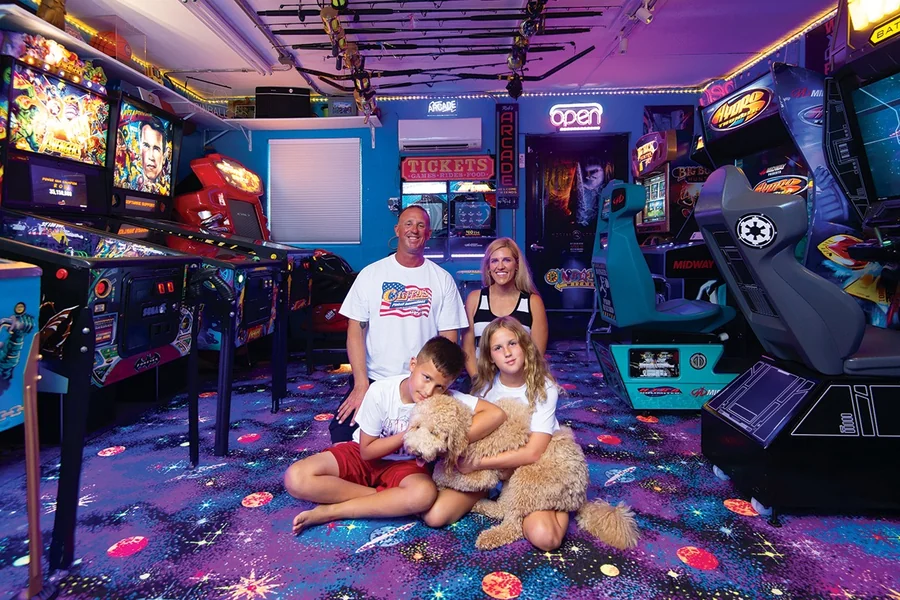
Classic arcade games maintain their charm because they offered shared, easy-to-understand experiences that brought people together. These machines fostered a spirit of togetherness; families and friends gathered around a cabinet, passed the controls, and supported one another. The accessibility of arcade gameplay—simple rules, instantly grasped—meant that players of all ages could participate, often leading to spontaneous tournaments or light-hearted competitions. Many modern entertainment venues incorporate this principle, developing attractions that are quick to learn yet rewarding to master. These qualities keep families engaged, ensuring that everyone from young children to grandparents can take part in the fun without a steep learning curve. The result is social, inclusive play that remains at the heart of today’s best family experiences.
Design Lessons From Retro Gameplay
Creators of modern family entertainment continue to draw inspiration from the design sensibilities of classic arcade games. Straightforward controls—sometimes just a joystick and a button or two—paired with deep gameplay kept generations coming back for more. Visual clarity also played an important role; iconic graphics, bright colors, and clean layouts made the games inviting and easy to follow. Audio—from energetic musical loops to distinct sound effects—added atmosphere and helped players focus. Today, you’ll find these design principles not only in digital spaces, but also in mini-golf courses, interactive museum exhibits, and activity centers. Attractions use clear rules, vibrant visuals, and simple mechanics as a foundation, creating a familiar but updated sense of fun that appeals across generations.
Bringing Arcade-Style Fun Into Physical Spaces
As technology advances, the line between screens and real-world activities is blurring. Family entertainment spaces now blend classic arcade ideas with physical interaction, offering dynamic, group-friendly experiences. Mini-golf, for example, uses light and sound to evoke the discovery and challenge of arcade classics, tapping into the sense of adventure that made arcades memorable. Escape rooms and interactive playgrounds employ sensors, projections, and cooperative objectives to spark the same excitement once felt in front of an arcade cabinet. These spaces provide opportunities for families to explore, compete, and celebrate together, creating memories grounded in both nostalgia and novelty.
Intergenerational Play And Shared Nostalgia
One of the most powerful effects of classic arcade games is their ability to inspire interaction between generations. Parents and grandparents can share stories about their favorite childhood games while younger family members discover them for the first time. Many modern attractions intentionally weave in retro references—such as pixel art or recognizable soundtracks—so everyone feels a connection. Spaces are designed with approachable rules, repeatable, quick challenges, and themes reminiscent of classic games, making it easy for groups of all ages to learn and play together. This shared experience goes beyond entertainment, fostering communication, friendly competition, and bonding in ways that are both meaningful and memorable. For those interested in finding more about how arcades shape today’s play, Arcade Dad offers insights into the world of family gaming and classic arcade moments.
Gamification, Cooperation, And The Future Of Family Fun
Classic arcades introduced more than entertainment—they pioneered the idea of transforming everyday activities into games. Modern family spaces adapt this gamification: scoreboards, timed events, and progress tracking turn simple activities into motivating adventures. Rather than focusing solely on high scores, many newer attractions reward teamwork, communication, and strategy, reflecting an evolving preference for collaborative play. Activities are broken into levels or stages so players can advance at their own pace, celebrating small successes along the way. The combination of recognition, clear goals, and inclusive play borrowed from the arcade era ensures that today’s family entertainment remains engaging and accessible, bridging generations and setting the stage for new traditions in playful connection.