Sewing machines vary more in size than most people expect, and that variation matters a lot for anyone deciding where a machine will actually fit, on a small desk, in a closet, or inside a dedicated sewing cabinet.
Why Sewing Machine Dimensions Vary So Much
Unlike a lot of household appliances that have converged on a fairly standard size over the decades, sewing machines span a huge range depending on their era, mechanism type, and intended use. Heavy cast iron machines from the mid-20th century are built completely differently than lightweight modern plastic-bodied machines, and the size difference reflects that.
Typical Dimensions of Vintage Machines
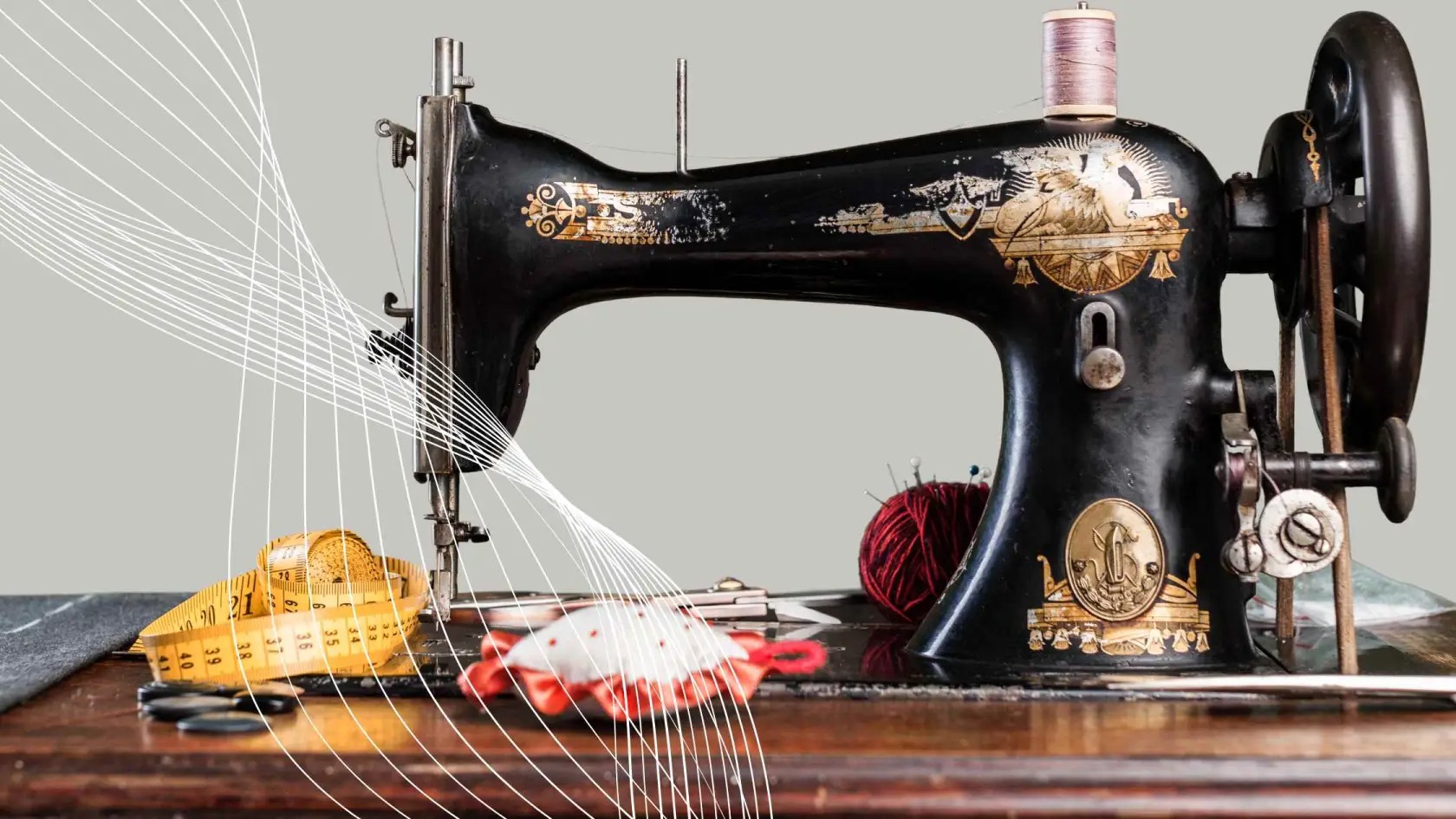
Vintage cast iron machines, including many classic Singer models, typically measure around 15 to 16 inches wide, 6 to 7 inches deep, and 12 inches tall, not including the cabinet or case they’re often stored in. Their weight, frequently 25 to 30 pounds for the machine head alone, is a major factor in why they’re rarely moved casually and are usually kept in a dedicated spot.
Typical Dimensions of Modern Machines
Modern computerized and mechanical sewing machines tend to run slightly larger in width, often 16 to 18 inches, to accommodate additional stitch selection dials or digital screens, but weigh dramatically less, frequently under 15 pounds, thanks to plastic housing replacing cast iron components.
Why Weight Matters as Much as Footprint
For anyone planning to store a machine in a closet or move it between rooms regularly, weight matters just as much as the footprint on a table. A vintage 28-pound machine requires a sturdier table and more deliberate handling than a modern 10-pound machine, even if their width and depth measurements are similar.
Cabinet and Case Dimensions to Consider
Many vintage machines were originally sold inside cabinets or hard cases, which adds significantly to the overall footprint. A cabinet-housed vintage machine can take up a footprint closer to 36 inches wide and 18 inches deep when the machine is folded down and closed, which is an important consideration for anyone measuring a room for a permanent sewing setup.
Measuring for Parts and Compatibility
Beyond overall machine dimensions, individual component sizes, bobbin dimensions, needle plate measurements, and presser foot widths, vary between models and eras. This is particularly relevant for anyone trying to replace a part, since even machines that look similar can have subtly different component sizing that affects fit.
Finding the Right Parts for the Right Model
Given how much variation exists between models and decades, identifying a machine’s exact model number before ordering replacement parts is essential. Suppliers specializing in both eras, like those offering parts for a vintage sewing machine alongside modern makes and models, can help confirm correct sizing and compatibility before a purchase.
Frequently Asked Questions
How much does a typical vintage sewing machine weigh?
Vintage cast iron machine heads typically weigh between 25 and 30 pounds, not including any cabinet or case they’re stored in.
Are modern sewing machines smaller than vintage ones?
Not necessarily smaller in footprint, but significantly lighter, often under 15 pounds compared to 25 to 30 pounds for vintage cast iron models.
How much floor space does a cabinet-housed vintage machine need?
A closed cabinet setup can measure around 36 inches wide by 18 inches deep, which is an important consideration when planning a dedicated sewing space.
Do sewing machine parts vary in size between models?
Yes, components like bobbins, needle plates, and presser feet can vary subtly between models and eras, which is why confirming the exact model number matters before ordering parts.
Why does a machine’s exact model number matter so much for parts?
Even visually similar machines can have different internal component sizing, so accurate model identification helps ensure any replacement part actually fits correctly.