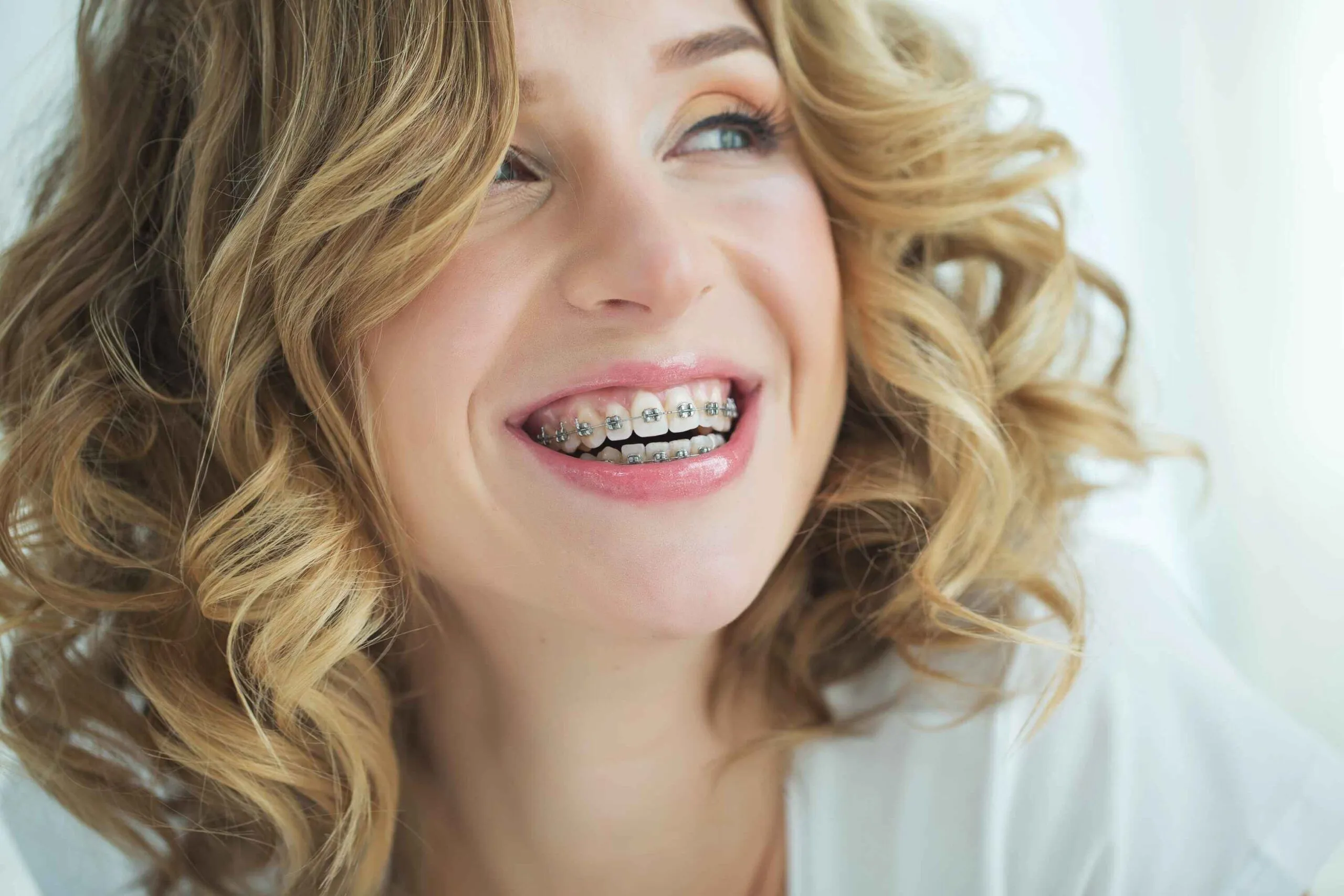
One of the first questions adults ask after deciding to straighten their teeth is simple: “How long will this take?”
It’s a fair question. Whether you’re considering braces or clear aligners, treatment is a real commitment, and understanding the timeline helps you plan with confidence.
For most adults, orthodontic treatment takes 12 to 24 months. Some mild cases finish in as little as six months, while complex bite corrections can take two years or longer. The difference comes down to how complicated your case is, your oral health, your body’s natural healing process, and how consistently you follow your orthodontist’s instructions.
The good news: modern orthodontic technology has made treatment more efficient than ever. No device can safely override biology, but today’s digital planning and monitoring tools eliminate a lot of the delays that used to pad treatment out.
Why Adult Orthodontic Treatment Takes 12–24 Months
Unlike cosmetic procedures that produce immediate results, orthodontics works by gradually moving teeth through the jawbone.
Every tooth movement relies on bone remodeling—a natural process in which bone is broken down on one side of the tooth and rebuilt on the other. This takes time, and moving teeth faster than the supporting tissues can safely adapt increases the risk of complications such as root resorption, gum recession, or unstable results.
That’s why orthodontists prioritize safe, predictable movement over speed.
What Determines Treatment Time?
Several factors influence how long treatment will take.
1. Case Complexity
The more tooth movement required, the longer treatment generally lasts. Typical timelines:
● Minor crowding, spacing, or orthodontic relapse: 6–12 months
● Moderate alignment with mild bite correction: 12–18 months
● Complex bite problems, impacted teeth, or extraction cases: 18–24+ months
Correcting an overbite, underbite, crossbite, or open bite means coordinating the movement of both arches—not just straightening individual teeth—which is why those cases sit at the longer end.
2. Adult Bone Biology
Adults achieve excellent orthodontic results at virtually any age. But bone remodeling happens more slowly than it does during adolescence, so movement is paced to protect the teeth, bone, and supporting tissues. The result is just as successful; it simply can’t be rushed.
3. Oral Health Before Treatment
Healthy gums and teeth create the best environment for tooth movement. Conditions that can delay the start of treatment include gum disease, untreated cavities, poor oral hygiene, and significant inflammation. Most orthodontists address these first to keep the overall timeline on track.
4. Patient Compliance
This is the factor you control the most.
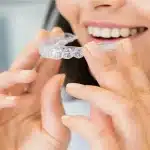
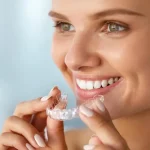
For clear aligners, wearing them 20–22 hours per day is essential—removing them too often or stretching out tray changes can add weeks or months. With braces, staying on schedule means wearing your elastics as instructed, keeping your appointments, and avoiding foods that damage brackets or wires. Even a single broken bracket can interrupt planned movement and require an extra visit.
How Modern Orthodontic Technology Improves Efficiency
Biology sets the ceiling on speed, but technology cuts the wasted time—the refinements, do-overs, and surprises—out of the process.
Digital Intraoral Scanning
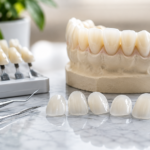
Digital scanners such as iTero® and 3Shape TRIOS® have largely replaced traditional impressions. The accurate digital models let orthodontists map out tooth movements before treatment begins, reducing the need for mid-course corrections.
3D Cone-Beam CT Imaging (CBCT)
CBCT provides a three-dimensional view of tooth roots, the jawbone, impacted teeth, and surrounding structures. That detail lets orthodontists anticipate challenges before treatment starts, especially in complex cases.
Advanced Clear Aligner Systems
Better materials, attachment designs, and planning software have made modern aligners far more capable. They aren’t always faster than braces, but their removability makes hygiene easier, reducing the cavities and gum inflammation that can interrupt treatment.
Temporary Anchorage Devices (TADs)
TADs are small titanium anchors placed in the jawbone to provide stable support for difficult movements. In selected cases, they let orthodontists move teeth more efficiently while avoiding more invasive alternatives such as headgear or additional extractions.
Remote Monitoring
Many practices now use remote monitoring platforms, including AI-assisted photo review. Patients submit images from home, letting orthodontists confirm progress, catch tracking issues early, and clear aligner advances without waiting for the next office visit.
Can Orthodontic Treatment Be Accelerated?
Many products claim to speed up treatment through vibration devices or micro-osteoperforation. Current research suggests these methods offer limited or inconsistent benefits, and they shouldn’t replace an orthodontist’s evidence-based plan. If you’re considering accelerated orthodontics, ask your orthodontist to walk you through the actual evidence before investing in extra products or procedures.
How to Stay on Schedule
You can’t change your biology, but you can avoid most of the delays that stretch treatment out:
● Wear aligners 20–22 hours a day and change them on your orthodontist’s schedule.
● Wear elastics exactly as instructed.
● Brush and floss thoroughly every day, and keep up with routine cleanings.
● Attend every scheduled appointment.
● Avoid hard, sticky, and chewy foods that can break braces.
Small habits, practiced consistently, make the biggest difference.
The Long-Term Benefits Are Worth the Wait
Orthodontic treatment pays off well beyond a straighter smile. Aligned teeth are easier to clean, which lowers the long-term risk of cavities and gum disease. A balanced bite spreads chewing forces evenly, reducing uneven wear and strain on the jaw. And most adults simply feel more confident afterward—a benefit worth counting.
One thing isn’t optional: once treatment is complete, wearing your retainer as prescribed is what protects everything you’ve achieved. Retainers aren’t an add-on; they’re part of the treatment.
Frequently Asked Questions
Is Invisalign faster than braces?
Not necessarily. Clear aligners can be very efficient for mild to moderate cases, while braces often give the orthodontist better control over complex movements and bite correction. The right choice depends on your case, not on speed alone.
Am I too old for orthodontic treatment?
No. Healthy teeth and gums matter far more than age, and adults routinely get excellent results. Treatment may progress a little more slowly than it would for a teenager because adult bone remodels more gradually, but the outcome is just as reliable.
What if my treatment takes longer than the original estimate?
It happens, and it’s usually not a sign anything is wrong. Estimates are based on how teeth are expected to respond, and biology doesn’t always follow the plan exactly—a tooth may track slower than predicted, or a refinement may be added to fine-tune the result. Consistent wear and regular appointments are the best way to keep the estimate realistic.
The Bottom Line
Adult orthodontics treatment, takes 12–24 months, but no two cases are identical. Your timeline depends on your bite, your oral health, your goals, and how consistently you follow your orthodontist’s instructions.
Today’s digital scanners, 3D imaging, advanced aligners, temporary anchorage devices, and remote monitoring have made treatment more efficient than ever—by removing unnecessary delays, not by rushing biology.
The only way to know your personal timeline is a comprehensive evaluation. An experienced orthodontist can assess your needs, explain your options, and give you a realistic estimate based on your specific case.