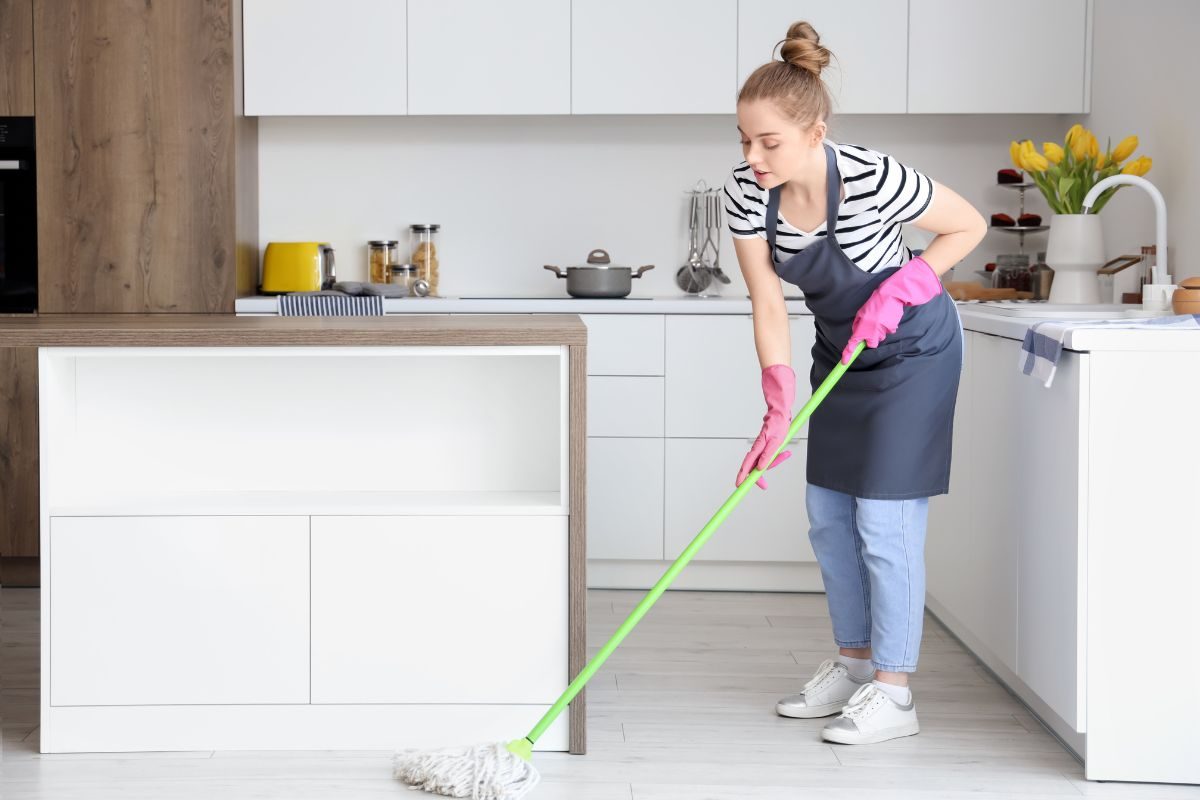
Keeping a clean home can feel like an impossible goal when your family is constantly on the go. Between work, school, sports, appointments, grocery shopping, and everything else that fills your calendar, household chores often end up getting pushed aside. Before long, dishes pile up, laundry baskets overflow, and clutter begins to spread from room to room.
The good news is that you do not need a perfect cleaning routine to maintain a comfortable home. The most successful cleaning schedules are not the ones with the longest lists of chores. They are the ones that fit naturally into a family’s daily life. A realistic schedule allows everyone to contribute without making cleaning feel like a second full time job.
If you are looking for fresh cleaning ideas, practical routines, and advice from people who understand the challenges of maintaining a busy household, Homeaglow offers a welcoming community where members share helpful tips, answer questions, and encourage one another to build cleaning habits that actually last.
Start With Your Family’s Actual Schedule
Before creating a cleaning routine, take a close look at how your week already operates. Many families make the mistake of designing an ideal schedule instead of one that reflects real life.
Think about when everyone leaves for work or school, when activities take place, and which evenings tend to be the busiest. If Tuesday is filled with sports practice and homework, it probably is not the best day to schedule deep cleaning. Instead, reserve larger chores for days when your family has more flexibility.
Building your cleaning schedule around your existing routine makes it much easier to stay consistent over time.
Divide Cleaning Into Daily, Weekly, and Monthly Tasks
Not every chore needs to be completed every day. Separating tasks into different categories helps make the workload feel much more manageable.
Daily tasks might include making beds, washing dishes, wiping kitchen counters, picking up clutter, and taking out the trash when needed. Weekly responsibilities can include vacuuming, cleaning bathrooms, dusting furniture, changing bed sheets, and mopping floors. Monthly tasks may involve cleaning windows, organizing closets, wiping baseboards, or deep cleaning appliances.
Breaking chores into smaller groups prevents any single day from becoming overwhelming.
Keep Daily Tasks Short
One reason many cleaning schedules fail is because they ask too much from already busy families. If every evening includes an hour of chores, it quickly becomes difficult to maintain.
Instead, aim for short daily cleaning sessions that fit naturally into your routine. Spending fifteen or twenty minutes tidying common areas, loading the dishwasher, or folding laundry is often enough to prevent messes from getting out of control.
You can also make these quick routines even more efficient by checking bobsweep reviews to find a robot vacuum that helps keep floors clean between your regular tidying sessions.
Small daily efforts reduce the need for exhausting weekend cleaning sessions.
Assign Age Appropriate Chores
Cleaning should be a shared responsibility whenever possible. Children benefit from helping around the house because it teaches responsibility while making household maintenance easier for everyone.
Young children can put toys back into storage bins, place dirty clothes in laundry baskets, or help wipe small tables. Older children can vacuum, fold towels, unload the dishwasher, and keep their bedrooms organized. Teenagers can take responsibility for more advanced tasks such as cleaning bathrooms, mowing the lawn, or doing their own laundry.
When everyone contributes, parents no longer have to carry the entire workload alone.
Focus on High Traffic Areas
Some rooms naturally require more attention than others. Kitchens, bathrooms, entryways, dining rooms, and family rooms usually become messy much faster than guest rooms or storage areas.
Prioritize keeping these spaces clean throughout the week. Wiping kitchen counters after meals, sweeping frequently used floors, and putting away everyday clutter creates the impression of a much cleaner home, even if other rooms receive less frequent attention.
Concentrating on the areas your family uses most delivers the biggest impact.
Create Simple Cleaning Habits
The easiest homes to maintain are usually supported by small habits rather than major cleaning projects.
Encourage everyone to put things away after using them instead of leaving them on counters or tables. Wash dishes immediately after meals, wipe bathroom sinks after getting ready, and spend a few minutes each evening returning common areas to their normal condition.
These habits require very little effort but dramatically reduce the amount of cleaning needed later.
Leave Room for Flexibility
Life rarely follows a perfect schedule. Children get sick, work deadlines appear unexpectedly, and family plans change.
Rather than feeling discouraged when your cleaning routine gets interrupted, build flexibility into your schedule. If a task is missed one day, simply move it to another day instead of trying to complete everything at once.
A cleaning schedule should reduce stress, not create additional pressure.
Use Visual Reminders
Many families find it helpful to post a simple cleaning schedule where everyone can see it. A whiteboard, calendar, or printed checklist keeps responsibilities clear and reduces the need for constant reminders.
Checking off completed chores also creates a sense of accomplishment and encourages family members to stay involved. Children especially enjoy seeing their progress as they complete assigned tasks.
Keeping expectations visible helps everyone stay accountable.
Do a Quick Evening Reset
One of the most effective habits for busy families is ending each day with a short cleaning session.
Spend ten or fifteen minutes putting away toys, folding blankets, loading the dishwasher, clearing kitchen counters, and preparing school bags for the next morning. Waking up to an organized home creates a calmer start to the day and prevents yesterday’s clutter from carrying into tomorrow.
This simple routine often has a bigger impact than longer cleaning sessions completed less frequently.
Review Your Schedule Regularly
As children grow and family routines change, your cleaning schedule should change as well. Responsibilities that were appropriate a year ago may no longer fit your household.
Take time every few months to discuss what is working and what needs adjustment. You may decide to redistribute chores, simplify certain routines, or add new responsibilities as children become more capable.
Regular updates help ensure your schedule continues supporting your family’s needs instead of becoming outdated.
Remember That Progress Is Enough
Many parents become discouraged because they compare their homes to perfectly staged pictures online. Real family homes are active places where people cook, learn, play, relax, and spend time together.
Your goal should not be perfection. It should be creating a home that feels welcoming, comfortable, and manageable. Some days every task will get completed. Other days only the essentials will get done, and that is completely normal.
Consistency over time matters far more than achieving a spotless home every single day.
Final Thoughts
A realistic cleaning schedule is one that works with your family’s lifestyle instead of competing against it. By dividing chores into manageable pieces, creating simple daily habits, sharing responsibilities, and allowing room for flexibility, you can keep your home clean without feeling overwhelmed.
The best cleaning routine is not the most complicated one. It is the one your family can follow consistently. When everyone works together and expectations remain realistic, maintaining a clean and comfortable home becomes much easier, leaving you with more time to enjoy the moments that matter most.