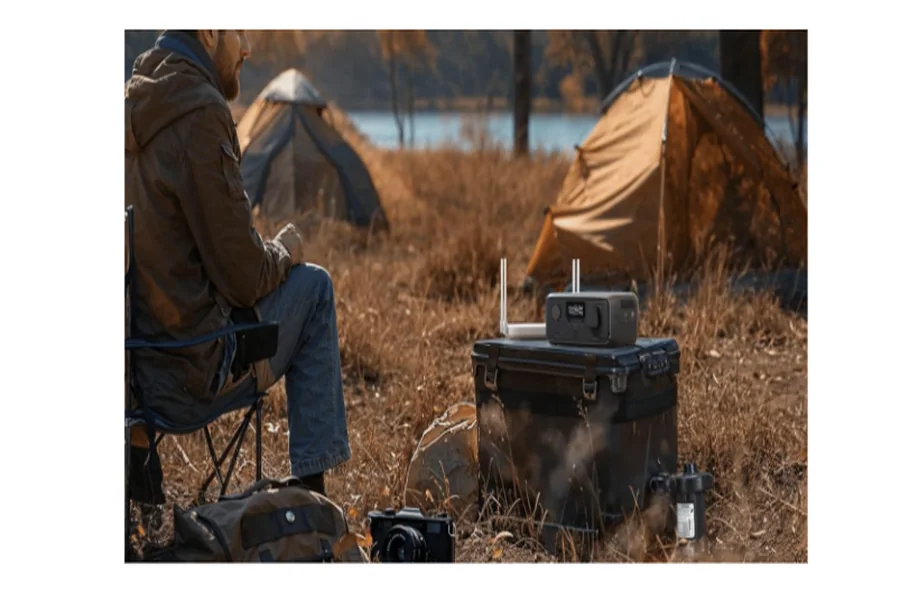
Power is something we often take for granted until we’re far from an outlet. Whether you’re camping for a weekend or embarking on a week-long adventure, keeping your devices charged can be a real challenge. Phones, GPS units, lights, and even portable coolers all need electricity, and running out of power can turn a relaxing trip into a stressful experience. Fortunately, advancements in portable energy solutions make it easier to stay charged off-grid. In this article, we’ll explore how to assess your power needs, choose the best portable energy solutions, and manage power efficiently while camping.
1. Assess Your Power Needs Before You Go
Calculate Device Power Consumption
Before packing any power solution, you need to understand how much energy your devices consume. Start by listing all the electronics you plan to bring—phones, tablets, cameras, lights, or medical devices. Check each device’s battery capacity, usually measured in watt-hours (Wh) or milliamp-hours (mAh). For example, a smartphone might have a 3,000mAh battery, while a laptop could require 50Wh per charge. Add up the total power consumption per day, factoring in how often you’ll recharge each device. If you’re using a portable fridge or CPAP machine, these will significantly increase your energy needs. Once you have a daily total, multiply it by the number of days you’ll be camping.
Trip Duration vs. Energy Requirements
Short weekend trips require less power than extended stays. If you’re only camping for two days, a high-capacity power bank may suffice. However, week-long adventures demand a more robust solution, like a solar generator paired with portable panels. Consider whether you’ll have access to secondary charging options, such as a car outlet or a campsite with electricity. If not, you’ll need a self-sufficient setup. Solar generators are ideal for longer trips because they can be recharged during the day, providing continuous power. Always bring a backup power bank for emergencies, especially if you rely on your phone for navigation or safety.
2. Best Portable Power Solutions for Camping
Solar Generators
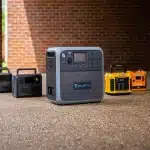
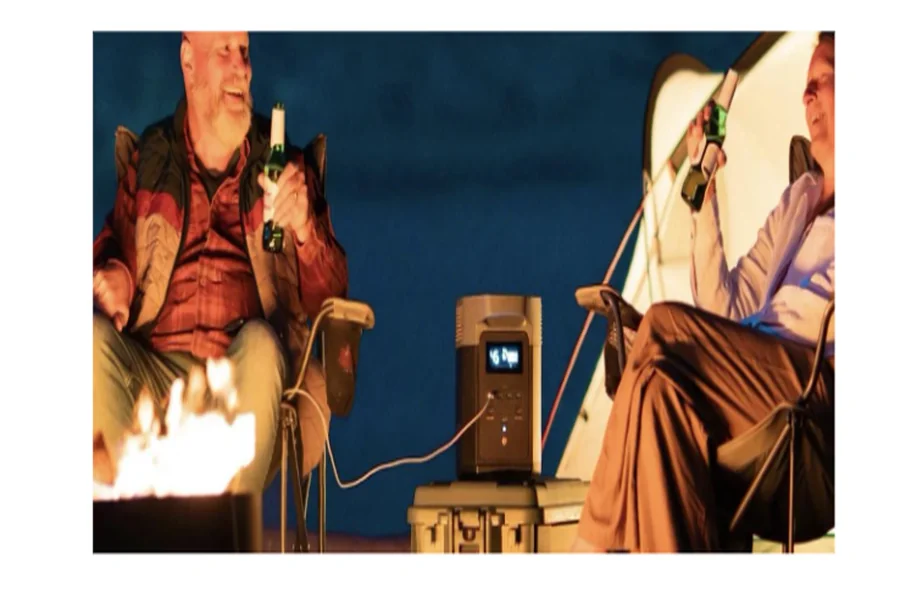
Solar generators are among the most reliable off-grid power sources. Unlike gas generators, they operate silently, produce no fumes, and rely on renewable energy. A good solar generator stores energy in a built-in battery, which can then power multiple devices via USB, AC, or DC ports. These systems work best when paired with portable solar panels. On sunny days, the panels recharge the generator, ensuring you have power at night. Look for models with at least 300Wh capacity if you need to run small appliances.
High-Capacity Power Banks
For shorter trips or minimal power needs, a high-capacity power bank is a lightweight and affordable option. Modern power banks can store enough energy to recharge a smartphone multiple times or even a laptop once or twice. Choose a power bank with at least 20,000mAh capacity if you’re relying solely on it. Some models include fast-charging ports, wireless charging pads, and even built-in flashlights for added utility. While they won’t power large devices like coolers, they’re perfect for keeping phones, headlamps, and small gadgets running.
Portable Solar Panels
If you’re using a solar generator or a solar-compatible power bank, portable solar panels are a must. Foldable and lightweight models are easy to pack and set up at camp. Their efficiency depends on sunlight exposure, so position them at an angle facing the sun for optimal charging. Even on partly cloudy days, solar panels can still generate power, though at a reduced rate. For best results, use a panel with at least 60W output if you’re charging a power station. Smaller 10W–20W panels are sufficient for trickle-charging phones directly.
3. Smart Power Management Tips
Managing power wisely extends your energy supply. Start by minimizing device usage—switch phones to airplane mode, lower screen brightness, and close background apps. If you’re using a portable fridge, set it to a higher temperature when possible to reduce power draw. Prioritize essential devices like GPS or emergency beacons. If you’re using a solar generator, recharge it during peak sunlight hours (10 AM–3 PM) for maximum efficiency. Bring a multi-port charger to avoid wasting energy on multiple charging cycles. Finally, always carry a backup power source, even if it’s just a small power bank, in case your primary solution fails.
4. Alternative Charging Methods
Car Charging Options
If you’re driving to your campsite, your vehicle can serve as a backup power source. Most cars have a 12V outlet (cigarette lighter port) that can charge small devices or even replenish a power station. However, relying solely on your car can drain the battery, so avoid using it excessively when the engine is off. Some SUVs and trucks have built-in inverters that provide AC power, useful for charging laptops or small appliances.
Hand-Crank & Wind-Up Chargers
For emergencies, hand-crank chargers are a reliable last-resort option. These devices generate power through manual turning, which can be lifesaving if you’re stranded without sunlight or a working battery. While they won’t fully recharge a phone quickly, they provide enough energy for emergency calls or SOS signals.
5. Safety & Maintenance in Outdoor Conditions
Always store power banks and solar generators in a cool, dry place—extreme heat or cold can damage batteries. If using a solar panel, keep it clean from dust and debris for optimal performance. Avoid overcharging devices, as this can reduce battery lifespan. When camping in humid or rainy conditions, use waterproof cases for your electronics. If you’re relying on a gas generator (though not recommended due to noise and fumes), keep it well-ventilated and away from tents.
Conclusion
Staying powered while camping doesn’t have to be complicated. Start by calculating your energy needs, then choose a combination of solar generators, power banks, and portable panels that fit your trip. Smart power management and backup options ensure you’ll never be left without charge. For a dependable all-in-one solution, the EcoFlow power station is a great choice—it’s efficient, durable, and offers multiple charging options. With the right setup, you can enjoy the wilderness without sacrificing modern conveniences. Happy camping!