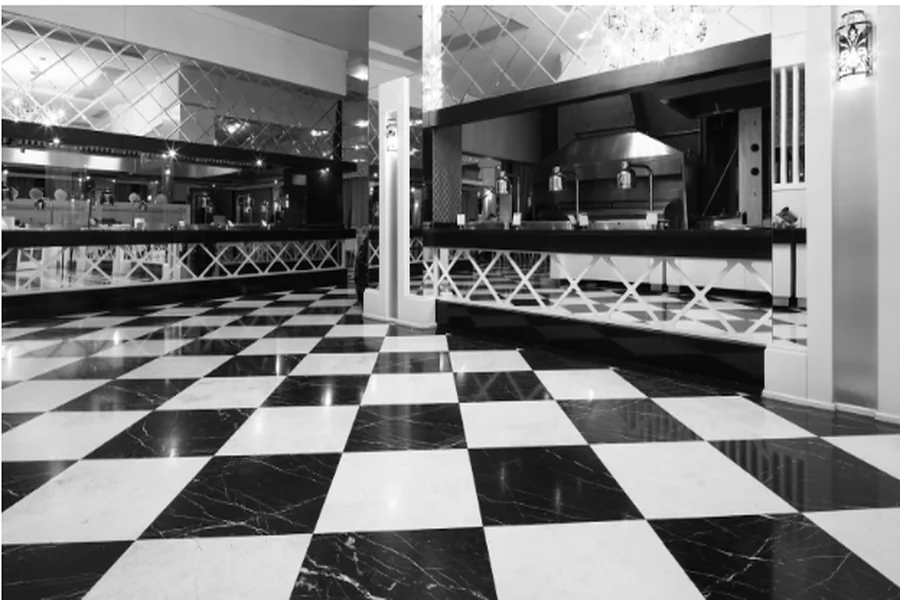
When you’re looking to completely transform your living space, few design elements can match the visual impact and versatility of mosaic tiles. These intricate patterns have been captivating homeowners and designers for decades, offering endless possibilities for creating stunning focal points throughout any home. Mosaic tiles have stood the test of time, and as one of the top tile ideas for 2025, they’re here to stay.
Whether you’re planning a complete renovation or simply want to add character to a single room, the right mosaic design can breathe new life into tired spaces and create the wow factor you’ve been searching for.
Classic Patterns That Never Go Out of Style
The beauty of traditional mosaic designs lies in their timeless appeal and proven track record. These established patterns have graced homes for generations, and they continue to offer reliable solutions for modern interiors.
The right mosaic floor tile selection can anchor an entire room’s design scheme, creating a foundation that complements both contemporary and traditional furnishings. When you choose classic patterns, you’re investing in styles that won’t look dated in five or ten years.
Geometric Designs
Geometric mosaic floor tile styles remain incredibly popular because they offer structure and visual interest without overwhelming a space. Square and diamond patterns work particularly well in entryways and kitchens, where they can define traffic flow and create natural boundaries between different areas.
These patterns also play beautifully with modern minimalist aesthetics. You can choose subtle color variations within the same pattern to add depth, or go bold with contrasting colors for a more dramatic effect.
Natural Stone Variations
Natural stone mosaics bring organic beauty into any interior setting. Marble, travertine, and limestone types of mosaic tiles offer unique veining and color variations that can’t be replicated with synthetic materials. Each piece tells its own story, creating floors that feel both luxurious and grounded in nature.
These materials work exceptionally well in bathrooms and spa-like settings, where their natural properties can enhance the overall sense of tranquility and sophistication.
Hexagonal Layouts
Hexagonal patterns have experienced a major revival in recent years, and it’s easy to see why. These six-sided shapes create dynamic visual movement while maintaining a sense of order and balance. They’re particularly effective in smaller spaces, where they can make rooms appear larger and more interesting.
The versatility of hexagonal layouts makes them perfect for both floor and wall applications, allowing you to create cohesive design schemes throughout your home.
Modern Innovations in Mosaic Design
Contemporary mosaic tiles for interior design have evolved far beyond traditional flat surfaces. Today’s manufacturers are pushing boundaries with new materials, textures, and installation techniques that create truly unique environments.
These innovative approaches open up exciting possibilities for homeowners who want to make bold design statements while still maintaining functionality and durability.
3D Textured Surfaces
Three-dimensional mosaic tiles add incredible depth and tactile interest to any space. These raised patterns catch light differently throughout the day, creating ever-changing visual effects that keep spaces feeling fresh and dynamic.
They’re particularly striking in powder rooms and accent walls, where guests can appreciate the intricate details up close. The textural variety also helps mask minor imperfections in wall surfaces.
Metallic Accents
Incorporating metallic elements into mosaic designs creates sophisticated, contemporary looks that reflect light beautifully. Copper, brass, and stainless steel accents can warm up cool color palettes or add modern edge to traditional patterns.
These materials work especially well in kitchen backsplashes and bathroom features, where their reflective properties can make spaces feel brighter and more spacious.
Glass Integration
Glass mosaic tiles offer unparalleled versatility in terms of color, transparency, and light reflection. They can be completely opaque, subtly translucent, or crystal clear, allowing for incredibly nuanced design effects.
The way glass tiles interact with both natural and artificial light makes them perfect for creating dramatic feature walls or elegant floor borders that seem to glow from within.
Room-Specific Applications
Different rooms present unique opportunities and challenges for mosaic installations. Understanding how various patterns and materials perform in specific environments helps ensure your design choices will be both beautiful and practical.
Smart interior tile design ideas always consider the room’s function, traffic patterns, and maintenance requirements alongside aesthetic preferences.
Kitchen Transformations
Kitchen floors and backsplashes provide perfect canvases for mosaic artistry. Smaller tiles naturally resist staining and are easier to clean than large format tiles, making them ideal for high-traffic cooking areas.
Consider using neutral base colors with colorful accents that can be easily changed through accessories and paint colors. This approach allows you to update your kitchen’s look without replacing expensive tilework.
Bathroom Elegance
Bathrooms offer unique opportunities for creative mosaic applications. The moisture-rich environment benefits from the increased grout lines that provide better traction and drainage.
Shower floors, niche details, and vanity backsplashes all present opportunities to incorporate beautiful mosaic work that enhances the spa-like atmosphere many homeowners desire.
Living Space Accents
Transforming interiors with tiles doesn’t always require covering large areas. Strategic placement of mosaic accents can create stunning focal points in living rooms, dining areas, and bedrooms.
Consider mosaic borders around fireplaces, decorative niches, or as transition strips between different flooring materials. These smaller applications can have a major visual impact without overwhelming the space.
Choosing the Right Style for Your Space
Selecting the perfect mosaic design requires balancing personal preferences with practical considerations. The key is finding patterns and materials that enhance your home’s existing architecture while reflecting your individual style.
Any mosaic installation is a project conducted over time where there has to be a consideration of the overall picture of what needs to be done in combination of new tilework with old existing design.
Color Coordination
You will be able to paint the tiles with whatever color of paint, and this will greatly influence the interaction of your tiles with your other interior designs. The soft colours allow one to make alterations to decorate the house later, whereas the striking colours make a room dramatic and specific.
Think about the amount of natural lighting that comes into your room and throughout the day, this will influence how colors look at various times. Test tiles in your real environment before moving to conclusions.
Size Considerations
The smallness of mosaic tiles influences not only the aesthetic impression, but also the working functionality of your piece. Smaller tile produce more detailed patterns, but use more maintenance services, whereas large pieces produce cleaner lines with fewer grouts to clean.
The selection of tile size is also dependent on the room size. Large rooms will be smaller with smaller tiles, and smaller spaces will appear more spacious and open with large pieces.
Budget-Friendly Options
Stunning mosaic flooring does not need to empty the bank. Most manufacturers have such collections, simulating the texture of natural stone or handcrafted tiles, but at much cheaper prices.
How about putting the high-cost accent tiles together with lower-cost field tiles, or mosaic border and solid field tiles together to make non standard looks that you can afford?
Mosaic Tile Comparison Guide
| Style Type | Best Applications | Maintenance Level | Durability |
| Natural Stone | Bathrooms, Entryways | Medium-High | Excellent |
| Ceramic | Kitchens, Living Areas | Low | Good |
| Glass | Backsplashes, Accent Walls | Low-Medium | Good |
| Metal | Modern Kitchens, Powder Rooms | Medium | Excellent |
| Porcelain | High-Traffic Areas | Low | Excellent |
Bringing Your Vision to Life
Mosaic tile design is the field which leaves a lot of room to imagination; it is the effort to incorporate the infinite opportunities to develop something original and custom designed. Whether it’s conventional geometrical designs or technological 3D textures, it is possible to find a style that can best suit the nature of your home, as well as your taste.
Remember that the best mosaic installations are those that enhance your daily life while providing lasting beauty. Whether you choose to make a bold statement with dramatic patterns or prefer subtle accents that whisper rather than shout, the key is selecting designs that you’ll love for years to come.
The best mosaics are not only effective in the instantaneous visual appeal, but they also provide the feeling of having extraordinary spaces every single day.
Common Questions About Mosaic Floor Tiles
What floor tiles never go out of style?
Tiles in marble, limestone, or terrazzo will never go out of style. These classic materials offer timeless appeal, though porcelain alternatives now provide similar looks with easier maintenance.
What are the different types of mosaic floors?
Popular options include natural stone, metal, glass, ceramic, and porcelain mosaics. Common patterns include chevron, hexagonal, and marble designs that suit various interior styles.
How to maintain mosaic tile floors?
Regular sweeping and damp mopping with mild cleaners keeps most mosaic tiles looking great. Seal natural stone annually and address grout discoloration promptly for best results.