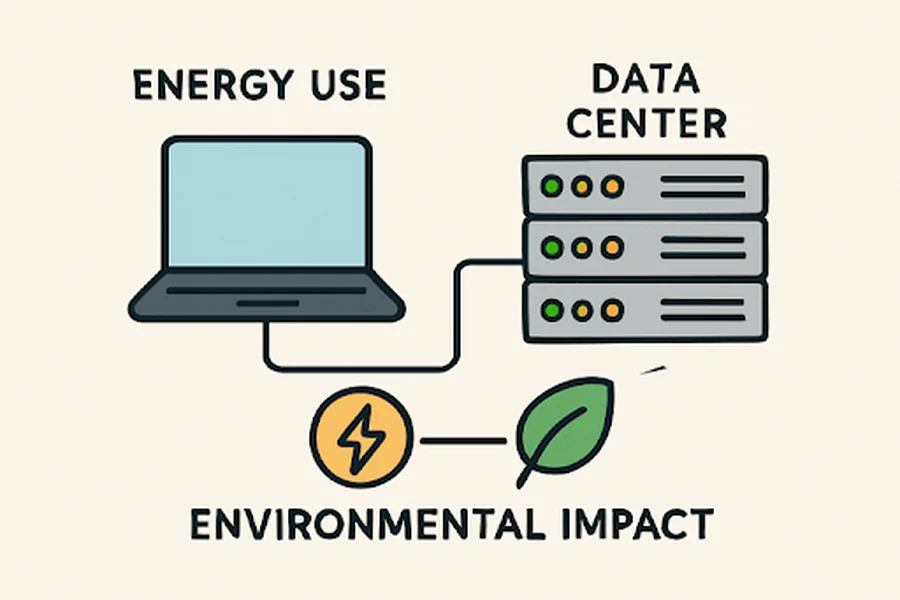
In an era where digital engagement is woven into every aspect of daily life, our online habits shape far more than just our personal convenience or entertainment—they carry real, tangible environmental consequences that often go unnoticed. The rapid expansion of cloud computing, social media, video streaming, and other web-based services has contributed to a surge in energy demand. In fact, the carbon emissions from the digital sector are now rivaling those produced by the aviation industry, making it a significant factor in global climate change. Thankfully, solutions are within our reach. For example, tools like the Shift browser reduces emissions as an alternative to mainstream platforms, enabling both individuals and organizations to begin making more eco-friendly digital choices right away.
Whether you’re binge-watching your favorite series, sending work emails, backing up photos to the cloud, or simply browsing the internet, each of these activities forms an extensive chain of energy use stretching from your device to remote data centers. Many people are surprised to learn that their everyday digital actions contribute to a significant portion of overall carbon emissions. Understanding the realities and the scale of your digital carbon footprint is a vital first step. By becoming more aware of the environmental impact of common online habits and technologies, we can all take responsibility and contribute to positive change. When everyone adopts thoughtful digital practices, we collectively play a crucial role in the broader effort to address climate change, while also enjoying the benefits of modern technology.
Fortunately, there are numerous strategies for individuals and businesses to reduce their digital carbon footprint, from simple adjustments like adjusting your streaming quality to selecting green web hosting providers. Every digital action may seem minor in isolation, but together, they constitute a large share of global emissions. Each small step—whether in reducing unnecessary data transfers, investing in more energy-efficient devices, or supporting companies with strong sustainability practices—helps steer us toward a more sustainable future.
. Staying aware and informed empowers us to make smarter, greener choices, ultimately contributing to a healthier planet for future generations.
Understanding the Digital Carbon Footprint
Behind the convenience and efficiency of digital technologies lies an often-overlooked cost: the vast amount of energy consumed to power our online world. Each file uploaded to the cloud, message sent across the globe, or video streamed late at night is facilitated by massive data centers filled with servers that require continuous power and cooling. Many of these centers still draw electricity from fossil fuel sources, which significantly contribute to global greenhouse gas emissions. According to a report from the International Energy Agency, data centers worldwide account for about 1% of total electricity demand and are responsible for a notable share of carbon dioxide emissions. As our reliance on digital services grows—especially with the rise of artificial intelligence and the internet of things—so does the sector’s environmental footprint. Recognizing this hidden impact is the first step toward making conscious choices that can help mitigate the harm.
Practical Steps to Reduce Digital Emissions
1. Optimize Streaming Habits
Entertainment, news, and music now stream instantly to our screens, but this convenience comes at a cost to our energy. Streaming video—particularly in high-definition or 4K—utilizes a substantial amount of bandwidth and accounts for approximately 75% of total global data traffic. This means the simple decision to stream content in a lower resolution or download it for offline viewing has a real environmental impact. To reduce your streaming footprint:
- Select standard or lower-resolution settings when ultra-high definition is unnecessary, especially on small screens.
- Download videos and music once, instead of streaming them repeatedly, so as to avoid redundant data transfers.
- Turn off auto-play features on platforms like YouTube and Netflix to prevent continuous streaming of unwanted content.
These changes may seem small, but when adopted by millions, they significantly cut data center demand and lower emissions.
2. Manage Emails Efficiently
Email remains a staple of business and personal communication, but its hidden carbon toll may surprise you. Each email transmitted, especially those with hefty attachments, requires storage and processing on servers that consume energy around the clock. Spam, newsletters, and unnecessary notifications also take a toll by clogging inboxes and filling up server space. For a sense of scale, research shows that sending or storing just 65 regular emails produces CO2 emissions equivalent to driving a small car for one mile. You can make a difference if you:
- Use cloud-based links to share documents or media, rather than including large attachments in your emails.
- Unsubscribe from mailing lists you no longer read, reducing the overall volume of emails in your inbox and on servers.
- Regularly delete obsolete or unwanted messages to help decrease server storage needs—and thus, the power required to maintain them.
- Compress files before sharing to minimize bandwidth and storage requirements for email servers along the transmission path.
By managing your email more efficiently, you not only streamline your communication but also reduce carbon emissions at a surprisingly large scale.
3. Choose Green Hosting Services
If you run a website, blog, or digital business, the environmental impact of your web presence is even greater. Hosting providers that are powered by renewable energy or offset their emissions offer a straightforward way to reduce digital emissions. Many of these companies maintain transparency by acquiring Renewable Energy Certificates or publicly committing to 100% clean energy. When selecting a web host or cloud service, research their sustainability credentials or request detailed information. Popular platforms now often display their renewable energy usage, letting you make an informed choice.
4. Reduce Energy Consumption
Every device in our homes and offices, from smartphones to desktop computers and smart speakers, consumes energy—sometimes even when we’re not actively using them. Considering that more than 60% of global emissions come from the generation and use of electricity, reducing the energy demand of our digital devices is essential. Simple steps include:
- Setting time limits for entertainment and social apps helps reduce both screen time and energy use.
- Designating specific ‘tech-free’ areas at home or at work to foster healthier, low-energy routines and rest for both people and their devices.
- Muting or disabling non-essential notifications to limit distractions, compulsive device use, and unnecessary power consumption.
- Turning off devices completely when not in use, or activating energy-saving settings such as sleep or eco modes, to minimize standby consumption.
These actions can add up to meaningful energy savings across households and organizations. When multiplied on a global scale, their combined effect is substantial.
5. Adopt Sustainable Digital Practices
Beyond personal habits, adopting eco-conscious online behaviors can dramatically amplify your positive impact. Opt for digital tools, browsers, or search engines that support environmental initiatives, such as tree planting or investments in renewable energy projects. Many leading tech companies now publicly report their data center efficiency or progress toward net-zero commitments. Being discerning about which apps and platforms you support encourages better industry standards and spurs collective action.
Even simple acts—such as regularly deleting unused apps, limiting automatic photo uploads, and using renewable-friendly digital tools—can accumulate significant carbon savings over time. Every mindful action helps lower the overall demand on the global digital infrastructure and supports a more sustainable future.
Conclusion
While it may seem that only large organizations or governments can address environmental challenges, the truth is that small changes in our personal digital habits collectively yield big environmental benefits. Whether you’re working from home, streaming movies, or communicating with colleagues, thoughtful adjustments to how we surf, stream, share, and store information can help cut down our digital carbon footprint. By prioritizing sustainable choices—such as opting for energy-saving technology, selecting providers committed to renewable energy, and staying informed through reliable resources like the BBC’s look at internet carbon footprints—we can all take concrete steps toward a greener, healthier world. Even as digital life becomes ever more essential, the power to create positive change is in our hands—one digital action at a time.