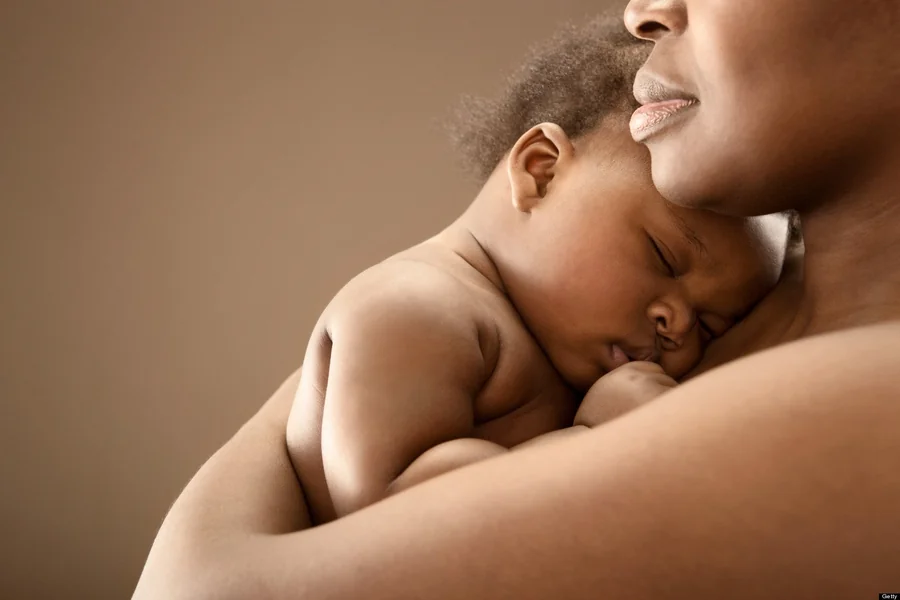
Motherhood brings joy and love but also exhaustion, anxiety, and emotional challenges. The postpartum period is marked by hormonal shifts, sleepless nights, and new responsibilities. While some emotional ups and downs are normal, persistent sadness, withdrawal, or overwhelm may indicate postpartum depression (PPD). This article helps new mothers seeking PPD support create a mental health plan focused on sleep, support systems, and self-care. Recognizing early signs and having a plan can greatly improve mental health and parenting confidence.
Recognizing the Early Signs of Postpartum Depression
Mood changes after childbirth are common. Many experience “baby blues”—mood swings, irritability, or weepiness that typically fade within two weeks. Postpartum depression, however, is more intense and lasts longer.
Some signs to look for include:
- Persistent feelings of sadness, hopelessness, or emptiness
- Trouble bonding with your baby
- Loss of interest in things you used to enjoy
- Irritability or anger
- Severe anxiety or panic attacks
- Changes in appetite or sleep unrelated to baby care
- Thoughts of self-harm or harming the baby
If you’re experiencing any of these symptoms, seeking postpartum depression help in Glenview is a vital first step toward healing.
Sleep Is Not a Luxury—It’s a Necessity
Lack of sleep is a major stressor with a newborn. Chronic sleep deprivation leads to physical exhaustion, and it can also worsen anxiety and depression. Protecting your sleep is a key part of any postpartum mental health plan.
Simple strategies for better rest include:
- Taking shifts with a partner or trusted friend/family member
- Napping during the day when the baby sleeps, even if it’s just 20 minutes
- Avoiding screens and stimulating activities close to bedtime
- Creating a relaxing nighttime routine with calming cues like dim lights or gentle music
Even interrupted sleep can be restorative with consistency and care. Prioritizing rest is crucial for your mental and emotional health.
Build a Circle of Support
Isolation is one of the greatest risk factors for postpartum depression. Having a reliable support system can ease the burden, reduce stress, and provide emotional validation.
Support can come from many places:
- Partners who are involved and empathetic
- Family or friends who can help with meals, errands, or infant care
- Local support groups for new moms who share similar experiences
- Mental health professionals who offer counseling or therapy
Local providers specializing in postpartum wellness offer tailored care and resources. Seeking postpartum depression help means you don’t face this journey alone.
Mental Health Screening and Professional Care
Healthcare providers screen for postpartum depression during follow-up visits, but symptoms can be overlooked. If you feel something is wrong, speak up—even if others dismiss it as “just hormones.”
Things to discuss with your healthcare provider include:
- How you’ve been feeling emotionally
- Whether your thoughts are impacting your ability to care for yourself or your baby
- If you’ve noticed physical symptoms like headaches, fatigue, or body pain
- Whether you need a referral for a counselor or therapist
Postpartum depression is treatable, especially when addressed early. Treatment may include therapy, medication, or a combination tailored to your needs.
Incorporate Self-Care into Your Daily Routine
Self-care isn’t selfish—it’s survival. Even small moments of calm or joy can make a big impact on your overall mood.
Ways to integrate self-care during the postpartum period:
- Taking a walk outside for fresh air and movement
- Practicing deep breathing or mindfulness for five minutes a day
- Journaling your emotions
- Doing something creative, like drawing, music, or reading
- Saying “no” to unnecessary obligations so you can protect your time and energy
You don’t have to do everything at once. Start with one small habit and build from there.
Know You’re Not Alone
If you’re struggling to adjust emotionally after giving birth, know that you’re not alone. Thousands of new mothers experience similar feelings every day. The important thing is to speak up, seek support, and take small steps toward recovery. Seeking help for postpartum depression can be the first step in creating a healthier path forward—not just for you, but for your baby and your entire family.
Conclusion
Motherhood is a significant life transition, and prioritizing your mental health during the postpartum period is just as important as caring for your baby. By focusing on rest, building a support system, and making time for self-care, you create a stronger foundation for long-term well-being. You deserve to feel stable, supported, and connected—and help is always available.