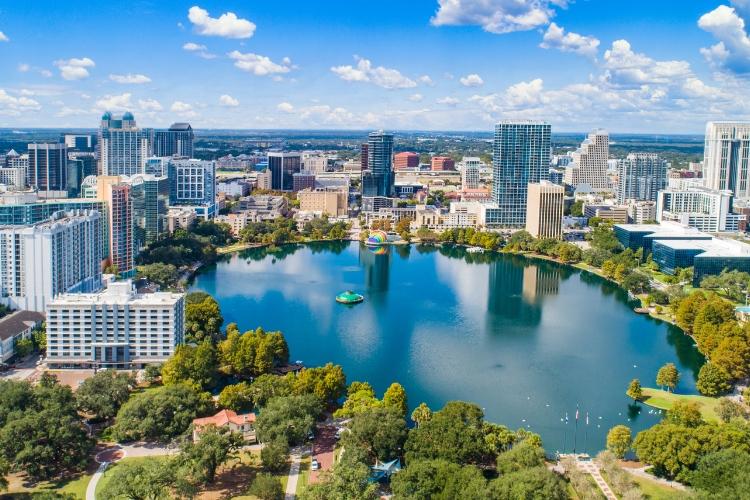
Orlando is often defined in the popular imagination by its theme parks, but the people who actually live there tend to know the city as something quieter and more varied. Beyond the tourist corridors lies a collection of distinct neighborhoods, each with its own character, price point, and rhythm of daily life.
Choosing where to settle means weighing factors that rarely appear on a vacation itinerary: commute times, school zones, walkability, and the balance between space and convenience. This guide examines several of Orlando's most appealing residential areas, from established historic districts to newer communities, to help prospective residents understand what each offers and how to match a neighborhood to the way they want to live.
Established and Walkable: Winter Park and College Park
Winter Park sits just north of downtown and remains one of the region's most sought-after addresses. Its brick-lined Park Avenue is home to independent boutiques, sidewalk cafés, and the Charles Hosmer Morse Museum, while the surrounding streets are shaded by mature oaks and dotted with lakefront homes. The area appeals to those who value a pedestrian-friendly area, though that desirability is reflected in higher housing costs.
College Park, closer to downtown along Edgewater Drive, offers a similar small-town feel at a generally more accessible price. Its 1920s bungalows, local restaurants, and community events make it popular with young professionals and families alike. Both neighborhoods are good for residents who prefer to run errands on foot rather than rely solely on a car.
Modern Living: Lake Nona and Baldwin Park
On the southeastern edge of the city, Lake Nona has grown from open land into one of Florida's most ambitious communities. Known for its Medical City cluster of hospitals and research institutions, the area attracts professionals in healthcare and technology, and its newer housing stock, parks, and bike paths appeal to those who want contemporary amenities. The trade-off is distance: Lake Nona sits well south of the urban core, making a reliable vehicle important for anyone commuting elsewhere in the region.
Baldwin Park, built on the site of a former naval training center, offers a different take on planned living. Its walkable village center, lakeside trails, and mix of townhomes and single-family houses place it closer to downtown while retaining a self-contained feel.
City Energy: Downtown and Thornton Park
For residents who want to be close to nightlife and are looking for the shortest possible commute to a downtown office, the central districts hold obvious appeal. Thornton Park, a neighborhood east of Lake Eola, has historic homes and restaurants and wine bars within walking distance of the city's main park. Downtown proper offers high-rise apartments and condos for those who prefer a modern city lifestyle.
These central areas tend to attract newcomers and renters testing out the city before committing to a purchase, as well as people relocating for work who need housing quickly. Because demand is high and turnover is frequent, many residents begin their search by comparing shared housing and rental listings online before touring in person. Prospective tenants can browse platforms like SpareRoom to gauge prices and availability when looking for rooms for rent in Orlando, which helps set realistic expectations before committing to a lease.
Living downtown does mean contending with limited parking and paid garages, so weighing transportation needs against the convenience of a central location is essential.
More Affordable: Mills 50 and Audubon Park
Buyers and renters seeking character without the premium of Winter Park often look to the districts just north and east of downtown. Mills 50, named for the intersection of Mills Avenue and Highway 50, has become a hub for independent restaurants, vintage shops, and a thriving Vietnamese community along the ViMi corridor. Nearby Audubon Park Garden District is known for its monthly community market, locally owned businesses, and a relaxed, creative atmosphere.
These neighborhoods tend to offer more affordable entry points than the marquee districts while still providing walkable amenities and a strong identity. They suit residents who prioritize culture and value over polish, and who don't mind older housing stock that may require some upkeep.
Getting Around and Matching Budget to Priorities
A neighborhood's appeal is shaped as much by daily logistics as by its restaurants or architecture. Orlando is a car-dependent area, and commute times vary dramatically depending on proximity to Interstate 4, the region's main artery, which is prone to congestion during peak hours. Residents in outlying communities like Lake Nona should budget for longer drives, while those in central neighborhoods may trade square footage for shorter trips.
Cost ultimately narrows the field for most people. Established lakefront districts command the highest prices, master-planned communities sit in the middle, and the eclectic neighborhoods near downtown often provide the best value. Renters weighing a move can use listing services such as SpareRoom to track how prices shift between areas and seasons, which helps set a realistic budget before touring in person.
Orlando offers a wider range of residential options than its tourist reputation suggests, from the oak-lined streets of Winter Park to the contemporary planning of Lake Nona and the creative energy of Mills 50. No single neighborhood is objectively best; the right choice depends on how a person balances cost, commute, space, and the kind of community they want to come home to. The most useful next step for anyone considering a move is to visit several areas in person, talk to current residents, and observe how each fits into a realistic daily routine. With a clear sense of priorities, prospective residents can find a corner of the city that feels less like a destination and more like home.