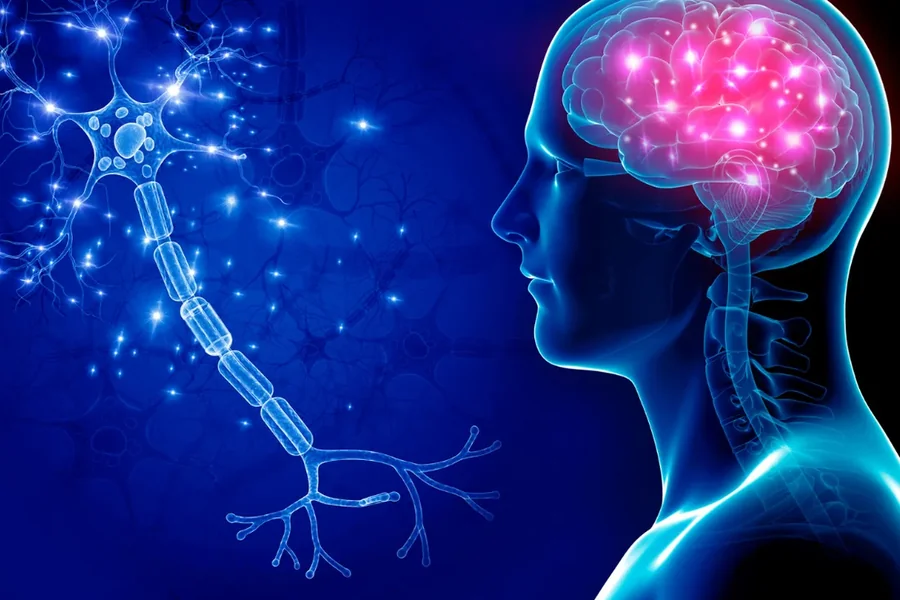
In a world constantly buzzing with notifications, deadlines, and digital noise, stillness has become a rare luxury. Yet, as neuroscience and psychology now confirm, taking time to be still is not just an escape; it’s an essential practice for mental and physical well-being. Meditation, long rooted in spiritual traditions, has emerged as one of the most scientifically supported methods for cultivating this stillness. From reshaping the brain to enhancing emotional balance and cognitive performance, the science of meditation reveals that silence isn’t empty; it’s full of healing potential.
The Brain on Meditation: A Scientific Perspective
Meditation’s effects reach deep into the architecture of the brain, beyond its impact on the tower x link. Modern imaging techniques like fMRI and EEG have shown that even short, regular sessions of mindfulness meditation can physically alter brain structure and function. One of the most profound changes occurs in the prefrontal cortex, the region responsible for executive functions such as focus, planning, and decision-making. Regular meditators often show increased cortical thickness here, suggesting improved mental control and clarity.
Another crucial area impacted by meditation is the amygdala, the brain’s emotional alarm system. Chronic stress keeps the amygdala overactive, leading to anxiety, irritability, and fatigue. Studies from institutions like Harvard and Yale have demonstrated that mindfulness practices shrink the amygdala’s grey matter volume, reducing reactivity to stress and enhancing emotional regulation.
Even the hippocampus, vital for memory and learning, benefits from meditation. Research indicates that meditation stimulates neurogenesis, the growth of new neurons, in this area. This may explain why meditators often report improved memory and learning capacity, along with a greater sense of mental flexibility.
In essence, meditation is like weightlifting for the brain, except instead of building muscle, it builds neural resilience.
Stillness as a Mental Reset
Beyond brain structure, meditation profoundly influences the mind’s operational mode. Most of us spend our waking hours in what neuroscientists call the default mode network (DMN), a state of constant self-referential thought. It’s where the mind wanders, worries about the future, and replays past regrets. While the DMN is useful for reflection and creativity, its overactivity is linked to anxiety and depression.
Meditation helps regulate the DMN by training attention to stay anchored in the present. When you focus on your breath or bodily sensations, the brain’s activity shifts from the DMN to regions associated with executive control and awareness, such as the anterior cingulate cortex. Over time, this rewiring leads to less rumination, more focus, and a deeper sense of calm.
The result? You become less enslaved by your thoughts and more capable of observing them without judgment. This shift from reactivity to awareness is the foundation of emotional intelligence, and one reason meditation is now widely integrated into therapy, education, and corporate wellness programs.
The Ripple Effect on Daily Life
The benefits of meditation extend far beyond the cushion. Studies consistently show that even 10 to 20 minutes of daily mindfulness practice can lead to measurable improvements in mood, attention, and resilience. People who meditate regularly often report feeling less overwhelmed by challenges, more present in relationships, and more creative in problem-solving.
Physiologically, meditation lowers cortisol levels, reduces blood pressure, and improves immune function. It also enhances heart rate variability (HRV), a key marker of the body’s ability to adapt to stress. Over time, this translates to better physical health and longevity.
Interestingly, meditation also promotes self-awareness, helping individuals align actions with values. This self-alignment fosters authenticity and compassion, qualities increasingly valued in leadership, education, and personal development. As neuroscientist Richard Davidson puts it, “The brain is plastic, and meditation is the sculptor.”
Cultivating Stillness in a Restless World
One of the most common misconceptions about meditation is that it’s about “emptying the mind.” In truth, it’s about training attention, learning to notice thoughts without being carried away by them. Beginners often start with mindfulness of breath, focusing on the inhale and exhale as an anchor to the present moment. With time, this practice expands into everyday life: mindful walking, mindful eating, or even mindful listening.
The key is consistency. Research shows that even eight weeks of regular meditation can create observable changes in brain structure and function. Apps, guided meditations, and community groups now make this practice accessible to virtually anyone. What matters most is not duration, but sincerity; a few minutes of genuine stillness can be more transformative than hours of distracted sitting.
Conclusion
Meditation is no longer seen as a mystical or esoteric pursuit; it’s a scientifically validated method for cultivating a healthier, more balanced mind. Through consistent practice, we can literally reshape our brains, reduce stress, and awaken to a deeper sense of peace and purpose.
In a culture obsessed with doing, meditation invites us to rediscover the power of simply being. The science is clear: stillness is not the absence of progress; it’s the foundation of it.