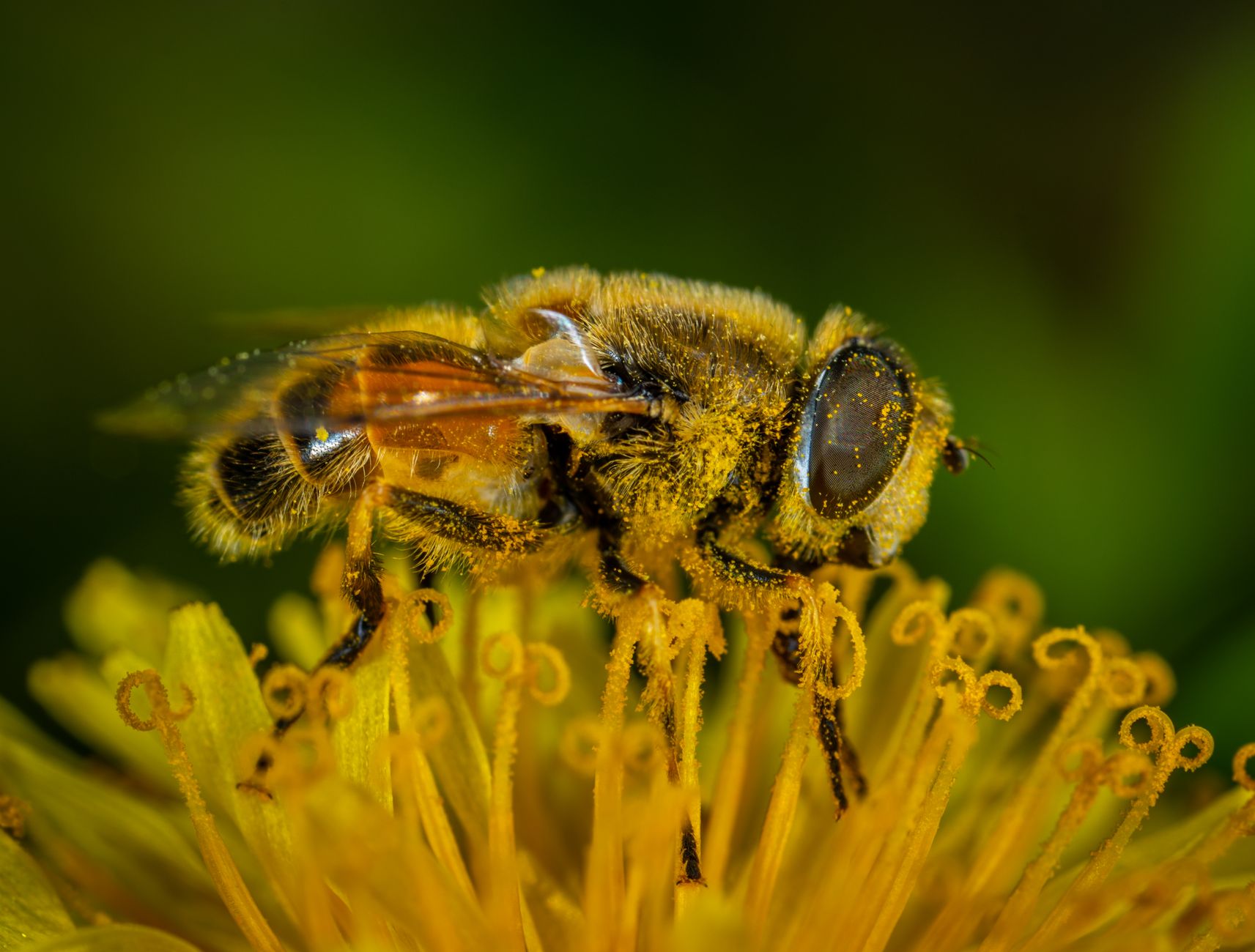
Pollen is tiny, harmless stuff. For most people, it drifts by without a second thought. It’s just plants doing plant things. But for someone with allergies, a breezy spring day can feel like walking straight into an ambush. Nature can be a little rude like that.
Sneezing fits. Itchy, watery eyes. A nose that won’t stop running. All because the immune system looked at a speck of pollen and decided it was a dangerous invader. It’s like a security system that sounds the alarm every time a leaf blows past the window.
That’s where an allergy and asthma clinic in Centennial CO can help. Specialists work to figure out what’s triggering those reactions and how to manage them, so people can spend less time sneezing and more time actually enjoying the outdoors. Relief usually starts with answers.
Why the Immune System Sometimes Overreacts
The immune system’s job is to protect the body from genuine threats, like viruses and bacteria. In people with allergies, it mistakenly identifies certain harmless substances, called allergens, as dangerous. Pollen, dust mites, pet dander, and mold are common examples. Basically, the body mistakes a guest for a burglar.
When that happens, the body produces an antibody called immunoglobulin E, or IgE. These antibodies attach to mast cells, which are immune cells found in places like the nose, eyes, lungs, and skin. The body is now primed to react the next time it meets that allergen. It’s a setup for the next encounter.
When the allergen shows up again, it binds to the IgE on mast cells. That triggers the mast cells to release chemicals, including histamine. Histamine and other substances kick off the symptoms people recognize as an allergic reaction. It’s a chain reaction in miniature.
What Happens Inside Your Body During an Allergic Reaction
Histamine and other chemicals cause blood vessels to widen and tissues to swell. In the nose, that leads to congestion and a runny nose. Nerves get irritated, triggering sneezing fits that can feel endless. Tissues everywhere start to feel it.
The eyes often join in. Itching, redness, and watery eyes are common as the immune response spreads. Some people also notice itchy throats, ears, or skin, depending on the allergen and how their body reacts.
Inflammation is the common thread. The immune system’s overreaction creates ongoing irritation in the affected tissues. Severe allergic reactions, called anaphylaxis, can involve trouble breathing, throat swelling, or dizziness, and are medical emergencies that require calling 911 right away. Symptoms can range from annoying to dangerous.
Why Allergies and Asthma Are Often Connected
Allergies and asthma frequently show up together. In some people, the same allergic inflammation that causes sneezing and congestion can also affect the airways in the lungs, contributing to asthma symptoms. The airways become extra touchy.
When allergens trigger inflammation in the airways, they can become swollen and more sensitive. That can lead to coughing, wheezing, chest tightness, and shortness of breath. This connection is sometimes called allergic asthma.
But not all asthma is allergy-related. Exercise, cold air, respiratory infections, smoke, and other factors can trigger asthma too. That’s why proper evaluation matters. If asthma symptoms are severe, like struggling to breathe or speak, seek emergency care immediately. Not every wheeze has the same cause.
How Specialists Identify and Manage Allergic Conditions
It starts with a detailed medical history. Specialists ask about symptoms, timing, triggers, family history, and how allergies affect daily life. Patterns, like symptoms that flare every spring or around pets, offer important clues. Details make a difference.
Appropriate allergy testing can help pinpoint specific triggers. Skin testing or blood tests may be used, depending on the situation. Knowing exactly what someone is allergic to helps shape a targeted treatment plan.
Management often combines several approaches. Environmental measures, like reducing exposure to triggers, can help. Medications can control symptoms and inflammation. For some people, immunotherapy, such as allergy shots or certain other forms, may be recommended to help the immune system become less reactive over time. Treatment plans are personal.
Conclusion
Allergies are the immune system overreacting to things that are usually harmless, like pollen. IgE antibodies, mast cells, and histamine drive the sneezing, itching, and congestion that make allergy season so miserable. It’s friendly fire, basically.
For some people, allergic inflammation also affects the lungs, contributing to asthma. But not all asthma is allergy-related, which is why careful evaluation matters. Specialists use history, testing, and tailored treatments to help manage symptoms. Answers lead to better plans.
Sometimes the body’s defense system needs better direction. Identifying triggers and choosing appropriate treatment can help people breathe easier and enjoy life, whatever’s floating in the air. Spring can feel like spring again.