When homeowners think about roof damage, they usually picture missing shingles or major leaks. But in many cases, the biggest roofing problems start in small areas most people never notice. Minneapolis roofing companies often begin inspections by checking flashing, roof edges, and seals because these weak points fail first during heavy snow and freezing temperatures. Trusted contractors that provide repair and replacement services know that catching these small issues early can save homeowners from major water damage later. In Minneapolis roofing projects, even a tiny crack can quickly grow into a costly problem after one harsh winter season.
Why Small Roof Details Matter More Than Homeowners Think
Many homeowners focus only on the visible parts of a roof, but the smaller components often protect the entire roofing system. Areas like flashing, vent seals, and roof valleys help direct water away from vulnerable sections of the home. When these parts fail, moisture can slowly enter underneath shingles and damage wood, insulation, and drywall. Minneapolis roofing contractors know that these hidden weak spots are usually the first areas affected by snow, ice, and freeze-thaw cycles. Small repairs done early are almost always cheaper than waiting until leaks become obvious inside the home.
Why Minneapolis Weather Is Hard on Roofing Systems
Minnesota weather puts roofs through constant stress throughout the year. Heavy snowfall, ice buildup, freezing rain, and strong winds can slowly wear down roofing materials over time. During winter, moisture enters tiny cracks and freezes, causing materials to expand and weaken further. Summer heat can also dry out sealants and ventilation systems. Minneapolis roofing professionals understand that roofs in cold climates age differently from roofs in warmer climates. Because weather changes happen so quickly in Minneapolis, small roofing problems often become much worse before homeowners realize there is an issue developing overhead.
The First Roof Detail Minneapolis Roofing Companies Usually Check
Roof Flashing Around Chimneys, Vents, and Valleys
Flashing is one of the most important parts of any roof because it protects areas where water naturally collects. It is usually made from metal and installed around chimneys, vents, skylights, and roof valleys. Minneapolis roofing companies often inspect flashing first because leaks commonly begin there before shingles show visible damage. Snow and ice can loosen flashing over time, especially on older homes. Even a tiny opening can allow water to slip underneath the roof surface and slowly damage the structure below. Many serious roof leaks actually begin from flashing problems, not missing shingles.
Why Flashing Problems Are Easy to Miss
Most homeowners never notice flashing damage because it is hidden beneath roofing materials or tucked into roof joints. The roof may still look perfectly normal from the ground, while moisture quietly enters the home. Minneapolis roofing contractors often discover rusted flashing, cracked sealants, or loose metal during routine inspections. Common warning signs include ceiling stains, bubbling paint, mold smells, and water spots near walls or attic spaces. Unfortunately, many people ignore these symptoms until the leak becomes severe. By that point, repairs often involve insulation, drywall, and wood replacement in addition to roofing work.
How Ice Dams Turn Small Roof Problems Into Bigger Repairs
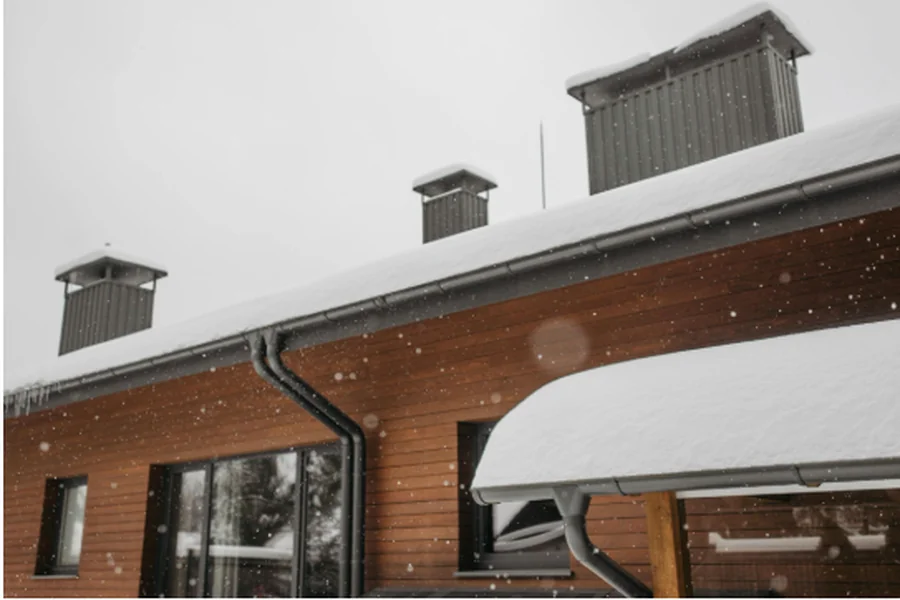
Ice dams are one of the biggest winter roofing problems in Minneapolis. They form when warm attic air melts snow on the roof, which later refreezes near colder roof edges. This trapped ice blocks proper drainage and forces water back underneath shingles. Minneapolis roofing companies regularly see flashing damage and roof leaks caused by ice dams during winter and early spring. Even a small roof weakness can become a major leak once water starts backing up under roofing materials. Homes with poor insulation or weak attic ventilation are usually at much higher risk for ice dam problems.
Roof Valleys Handle More Water Than Most Homeowners Realize
Roof valleys are the sections where two roof slopes meet. These areas direct large amounts of rainwater and melting snow during storms and seasonal thawing. Because so much water flows through valleys, they usually wear down faster than other roof sections. Minneapolis roofing professionals pay close attention to valleys because damaged flashing or trapped debris can quickly create hidden leaks. Leaves, snow, and ice often collect there and keep moisture sitting on the roof for longer periods. Over time, constant exposure weakens roofing materials and increases the chance of water damage inside the home.
Vent Pipes and Roof Openings Often Cause Hidden Leaks
Most roofs contain several openings for plumbing vents, attic ventilation systems, and exhaust fans. These areas are protected by rubber boots, sealants, and flashing materials that naturally wear out over time. Minneapolis roofing contractors commonly find cracks around vent pipes after harsh winters. Cold temperatures can make rubber brittle and weaken protective seals. These small leaks may not appear inside the home immediately, which is why many homeowners overlook them for months. Early repairs are usually simple and affordable, but delayed repairs can eventually cause rotted wood, damaged insulation, and expensive interior water damage.
Gutters and Roof Edges Reveal Early Roofing Problems
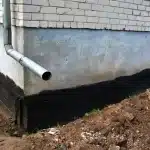
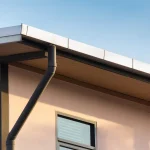
Gutters and roof edges can reveal a lot about the health of a roofing system. Minneapolis roofing companies often inspect these areas for sagging gutters, water overflow, rotting fascia boards, and ice buildup. Poor drainage can push water underneath shingles and damage roof edges during winter storms. Clogged gutters also trap moisture against the roof for longer periods, increasing the risk of leaks. Homeowners sometimes focus only on shingles while ignoring drainage issues that quietly weaken the roof structure. Keeping gutters clear and properly attached helps protect both the roof and the foundation of the home.
Warning Signs Homeowners Should Never Ignore
Several small warning signs may point to hidden roof damage. Minneapolis roofing experts recommend paying attention to ceiling stains, peeling paint, mold smells, overflowing gutters, and unusual drafts near upper floors. Ice buildup along roof edges is another common sign that ventilation or insulation problems may exist. Some homeowners also notice rising energy bills because damaged roofing systems affect indoor temperatures. These problems may seem minor at first, but they can quickly become expensive if ignored. Catching small warning signs early often prevents major repairs later and helps extend the lifespan of the roof.
Why Regular Roof Inspections Save Homeowners Money
Many homeowners wait until a leak appears before calling a roofing contractor, but regular inspections often prevent costly emergencies. Minneapolis roofing companies frequently find small flashing problems, cracked seals, or moisture buildup long before major damage develops. Preventative maintenance helps extend roof lifespan and reduce expensive repair bills over time. Regular inspections also improve attic ventilation and help prevent ice dam formation during winter. Small repairs are usually much easier and cheaper to handle compared to replacing damaged insulation, drywall, wood framing, or entire roof sections after long-term water exposure has already occurred.
What Happens During a Professional Roof Inspection
A professional roof inspection involves much more than simply looking at shingles from the ground. Minneapolis roofing contractors inspect flashing, roof valleys, vent pipes, gutters, attic spaces, insulation, and ventilation systems. They search for trapped moisture, weak seals, soft decking, and hidden structural damage. Many companies also take photos to document problem areas and explain repair recommendations clearly to homeowners. Attic inspections are especially important because leaks often appear there before becoming visible inside living spaces. A detailed inspection helps homeowners understand current roof conditions and plan for future maintenance before problems become serious.
Older Minneapolis Homes Often Need Extra Roofing Attention
Many Minneapolis neighborhoods contain older homes with aging roofing systems and outdated attic ventilation designs. Over time, flashing materials weaken, sealants dry out, and repeated freeze-thaw cycles slowly damage structural components. Minneapolis roofing professionals often recommend more frequent inspections for roofs older than 15 to 20 years. Older homes are especially vulnerable to moisture buildup, ice dams, and hidden leaks during the winter months. Some homes may also have multiple roof layers from previous repairs, which can trap moisture underneath. Regular inspections help homeowners protect property value while avoiding unexpected roofing emergencies later.
Why Tiny Roof Problems Rarely Stay Tiny
Most major roof leaks do not begin with missing shingles. They begin in small areas homeowners rarely notice, like flashing, roof valleys, vent seals, and roof edges. Once moisture enters these weak points, Minneapolis weather keeps making the damage worse through snow, ice, and freeze-thaw cycles.
That is why Minneapolis roofing companies inspect these smaller roof details first. A loose seal or tiny crack may not look serious today, but it can quietly lead to attic moisture, mold, insulation damage, and expensive structural repairs later. Catching these problems early is usually far easier and less expensive than waiting until water starts showing up inside the home.