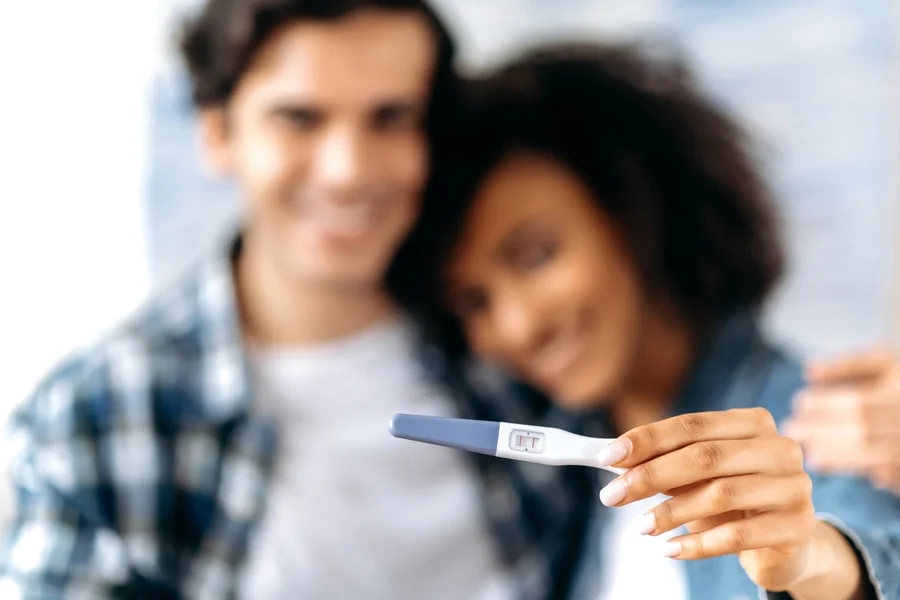
Women often assume that when they attempt to get pregnant, it will happen easily. This isn’t always the case. However, there are specific tips and tricks a woman can use to increase her odds of becoming pregnant. The first thing she must understand is her menstrual cycle and how it usually is. She may also track her ovulation and her fertile window.
The fertile window is the five days before a woman ovulates and the day after. This is the time when a woman is most likely to become pregnant, because the body releases an egg that a male sperm can fertilize. Women benefit from using an ovulation-tracking app to determine when ovulation occurs. However, some women choose to use an ovulation test to determine the best time for them to get pregnant. These tests tend to be accurate. What should a woman know about using an ovulation test?
Understanding Ovulation Tests
An ovulation test can help determine a woman’s fertile window by pinpointing where she is in her cycle and when her ovaries will release an egg. These tests are easily obtained online or at a local store and, when used appropriately, are 99% accurate. This test detects the increase in luteinizing hormone in a woman’s urine. This hormone increases right before the woman ovulates. A woman must know what a positive ovulation test looks like so she understands the results.
A Positive Test
A positive ovulation test indicates the woman is likely ovulating. However, it is not 100% accurate. Having a positive test doesn’t increase or decrease the likelihood that the woman will become pregnant. It indicates when sexual intercourse will optimize her chances of becoming pregnant.
The test detects luteinizing hormone levels in the woman’s body. This hormone rises right before the woman’s ovaries release an egg. A positive test indicates that ovulation is likely to occur within the next 24 to 36 hours. However, other factors must be considered when using these tests.
Understanding How the Test Works
Ovulation occurs once during a woman’s menstrual cycle. Her ovaries release an egg that a male sperm can fertilize. LH levels in the body determine when ovulation occurs. When they are at their highest level, the egg is about to be released. Ovulation may not occur at the same time in each cycle, and each woman’s cycle is different. Cycle-tracking apps can help determine when to take an ovulation test. A woman might also take this test three to five days before she expects ovulation.
Women need to limit their fluid intake and ensure they have not urinated for a minimum of four hours before taking the test. Taking these steps increases the test’s accuracy. The woman should also better understand her cycle to ensure the test is taken at the right time.
A lady may wish to take her basal body temperature, as it increases slightly after ovulation. A specialized digital thermometer is needed to measure this temperature, and it should be taken every morning immediately upon waking. Women who log their temperature every day for several months better understand when basal body temperature begins to rise during their cycle.
Cervical mucus is another thing to monitor to determine when ovulation may occur. Cervical mucus changes before ovulation. Typically, it is thick, dry, and paste-like. Before ovulation, it becomes slippery and clear, resembling egg whites.
Reading Ovulation Test Results
Many manufacturers make ovulation tests, so the woman must be familiar with the test she is using, as results may vary depending on the brand. Always read the instructions carefully to know what to look for. Ovulation tests come in two types.
Women who use a stick test will typically see one control line after taking the test. If this line is missing, the test is invalid and should be discarded. When the control line is present, look for a second line to indicate a positive result. This line should be distinctive and dark. If it is not, another test should be taken the following day.
The digital test differs significantly from the stick test. With this test, if a woman is ovulating, it will appear on the screen. Some tests show an upward line or a smiley face to indicate that LH levels are surging. She is ready to ovulate.
A negative test looks different. If the woman is using a stick test, only the control line will appear. The test line may be present, but it is incredibly faint, indicating a negative result. When using a digital test, the woman will either see no on the screen, a sad face, or a flat line.
Women should not become upset if the test is negative. It could simply mean that their LH levels are not high enough yet for the test to detect. There may be another underlying reason why the test is negative. Women who believe they may yet ovulate that month should take a test every day until their predicted ovulation day. If negative results are consistent, it may be time to speak to the doctor.
Factors That Could Affect the Results
Inaccurate results may be obtained for several reasons. A woman’s menstrual cycle isn’t always 28 days, so ovulation may not occur around day 14 if a woman’s cycle is shorter or longer. Women with irregular menstrual cycles may also find it challenging to know when to take these tests. The tests aren’t cheap, so women may want to speak with their doctor to determine when they should use these tools.
Hormonal imbalances can also affect test results. Women who have a hormonal condition such as polycystic ovary syndrome might find their results inaccurate or they obtain false positives because of fluctuating hormone levels. Perimenopause may also impact the results of these tests.
Women who are taking medications that impact their hormone levels may find their ovulation test results aren’t accurate. Certain medications raise the woman’s LH levels, making it difficult for the test to determine the time of ovulation. Women who are already pregnant may find they receive a positive ovulation test result even when they are no longer ovulating, as the test detects an increase in human chorionic gonadotropin rather than luteinizing hormone.
A positive ovulation test result indicates it is a good time for the woman to attempt to become pregnant. This fertile window lasts six days, so that a woman can try again. Many women find that using this test helps them become pregnant, so it’s worth trying.