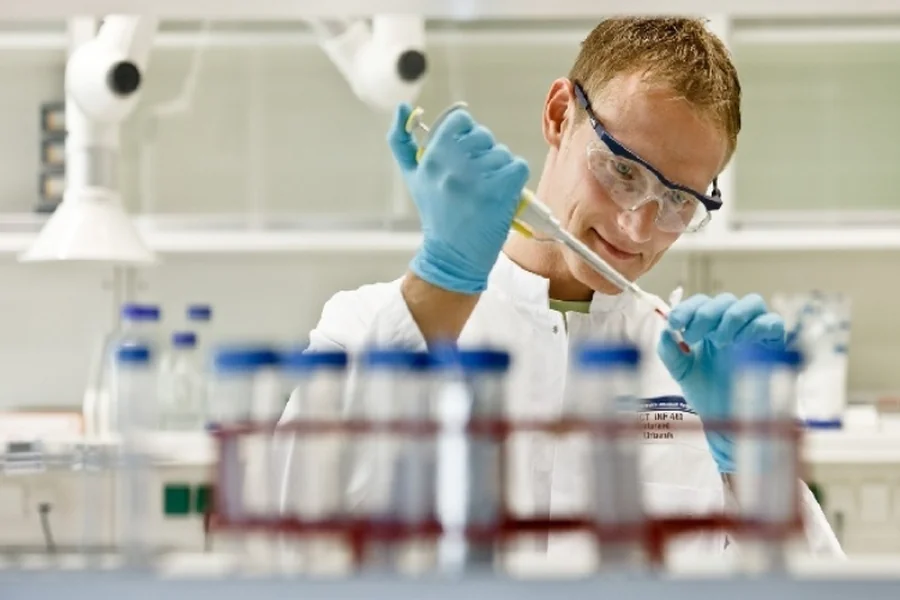
Most patients never see the inside of an anatomic pathology lab, but a remarkable amount of medical care depends on what happens there. When a surgeon removes a suspicious lump, when a gastroenterologist takes a biopsy during a colonoscopy, when a dermatologist shaves off a mole, the next stop for that tissue is an AP lab. The diagnosis that comes back shapes everything that follows, from whether the patient needs further treatment to what kind of treatment makes sense.
This piece walks through what anatomic pathology labs actually do day to day, the kinds of specimens they handle, the steps a sample goes through from arrival to final diagnosis, and the tools and software that make all of it possible.
What Anatomic Pathology Actually Means
Anatomic pathology is the branch of medicine focused on diagnosing disease by examining tissues and cells, almost always with a microscope as the central tool. It sits alongside clinical pathology, which deals with blood, urine, and other bodily fluids. The two disciplines often share a building and sometimes share staff, but the work itself is quite different.
When a pathologist looks at a slice of breast tissue or a smear of cervical cells, they are reading the architecture and morphology of the sample to decide whether it is normal, inflamed, infected, premalignant, or cancerous. That visual diagnosis, supported by an array of stains and molecular tests, is the foundation of how cancer is identified, classified, and staged in modern medicine.
The Specimens That Come Through the Door
A typical AP lab handles a wide range of sample types, and each comes with its own handling requirements. Among the most common:
- Small biopsies from endoscopy, dermatology, breast core procedures, prostate sampling, and similar outpatient work
- Larger surgical resections such as removed tumors, organs, or lymph nodes
- Cytology specimens including Pap smears, urine cytology, fine needle aspirations, and pleural or peritoneal fluids
- Frozen sections sent during surgery, where the lab has minutes rather than hours to provide a diagnosis that will guide what the surgeon does next
- Autopsy material, in labs that still perform postmortem examinations
Each of these requires a different set of preparatory steps before a pathologist can read it. Frozen sections in particular impose intense time pressure, since the patient is still on the operating table waiting for an answer.
How a Specimen Becomes a Diagnosis
The journey from a tissue sample to a signed-out report involves more steps than most people realize. The general sequence looks like this:
- Accessioning. The specimen arrives, gets logged into the lab’s information system, and receives a unique identifier that will follow it through every subsequent step.
- Grossing. A pathologist’s assistant or pathologist examines the specimen by eye, describes what they see, measures and weighs it where relevant, and selects the pieces that will go on for microscopic review.
- Tissue processing. The selected pieces are dehydrated, cleared, and infiltrated with paraffin wax in an automated processor, usually overnight.
- Embedding. The processed tissue is oriented in a block of paraffin so it can be cut cleanly.
- Microtomy. A histotechnologist uses a microtome to slice extremely thin sections of tissue, typically four to five microns thick, and mount them on glass slides.
- Staining. The slides are stained, most commonly with hematoxylin and eosin, which gives nuclei a blue-purple color and cytoplasm a pink color. Additional stains may be ordered later based on what the pathologist sees.
- Microscopy and diagnosis. The pathologist examines the slides, often supplemented by special stains, immunohistochemistry, or molecular tests, and arrives at a diagnosis.
- Reporting. The pathologist dictates or writes a report that gets routed to the ordering clinician through the LIS and the EMR.
That eight-step description glosses over a lot of detail, but it captures why AP work is both labor-intensive and precision-driven. A misstep at any stage can compromise the final diagnosis.
The Subspecialties Within the Field
Anatomic pathology has fragmented into a long list of subspecialties, especially at academic centers and large reference labs. A pathologist might focus on:
- Dermatopathology, which deals with skin biopsies and is high volume in most labs
- Hematopathology, covering lymphomas, leukemias, and other blood-related diseases
- Gastrointestinal pathology, including the steady flow of colonoscopy biopsies
- Genitourinary pathology, with prostate biopsies as a major component
- Breast pathology, often paired with hormone receptor and HER2 testing
- Gynecologic and cytopathology, including Pap smears and gynecologic surgical cases
- Neuropathology, soft tissue and bone, head and neck, and others
Smaller community labs may have generalists who read across most or all of these, while larger groups assign cases by subspecialty for diagnostic accuracy.
Tools and Equipment That Make the Lab Run
The equipment side of an AP lab is a mix of mechanical, optical, and digital systems. The major categories include:
- Tissue processors that automate the dehydration and paraffin infiltration steps, usually running overnight in batches
- Embedding stations where histotechnologists orient tissue into wax blocks
- Microtomes and cryostats for sectioning paraffin blocks and frozen tissue respectively
- Automated stainers that handle H&E, special stains, and immunohistochemistry runs with consistent timing and reagent volumes
- Coverslippers that seal each stained slide for microscopy and long-term storage
- Microscopes, still the central diagnostic tool for most pathologists, though increasingly paired with digital alternatives
- Whole slide scanners that digitize glass slides into high-resolution images for digital pathology workflows
- Voice recognition and dictation systems that let pathologists capture findings without typing every word
- Barcode printers and scanners that track specimens, blocks, and slides at every handoff
These tools have evolved considerably over the past two decades. Automation has reduced the number of manual steps, batch sizes have grown, and digital pathology is gradually changing what the diagnostic workstation looks like.
How a Laboratory Information System Pulls It All Together
Underneath all of that hardware sits the pathology software, or laboratory information system, which is what connects the moving parts and keeps a high-volume operation from descending into chaos. An LIS in an anatomic pathology lab is responsible for:
- Capturing the order from the referring clinician and pulling in patient demographics, history, and any prior cases
- Generating the barcoded labels that identify the specimen, blocks, and slides through every step
- Tracking each handoff so anyone can see where a case is at a given moment
- Routing cases to the appropriate pathologist based on subspecialty, complexity, or urgency
- Capturing the final diagnosis and synoptic data, then sending the report back to the EMR
- Logging quality control, instrument maintenance, and proficiency testing for compliance with CAP and CLIA
- Producing the analytics that lab directors use to manage turnaround times, workloads, and resource allocation
In modern AP labs, the LIS also serves as the integration point for digital pathology. When a slide is scanned, the LIS is what tells the viewer which case it belongs to, which pathologist should see it, and what other context that pathologist will need. As AI-assisted diagnostic tools enter the workflow, they tend to plug into the LIS rather than operate as standalone systems.
The choice of LIS matters more than people outside the lab often appreciate. A well-fitted system reduces clicks for the pathologist, surfaces the right information at the right moment, and quietly handles the documentation that regulators expect. A poorly fitted one becomes a daily source of friction that slows down every case in the building.
Where the Field Is Going
Anatomic pathology has been quietly modernizing for years, and the pace is picking up. Digital pathology adoption is increasing across academic and commercial labs, AI tools are starting to support diagnosis in specific use cases, and SaaS-based laboratory information systems are replacing older on-premise installations. The fundamental work of looking at tissue and rendering a diagnosis has not changed, but the surrounding infrastructure looks quite different than it did even five years ago.
For anyone outside the lab, the best way to understand what AP does is to remember that almost every cancer diagnosis in modern medicine starts with a pathologist reading a slide. The accuracy of that reading depends on a long chain of equipment, software, and skilled people working in concert. When the chain holds, patients get answers they can act on. The job of an anatomic pathology lab, in the end, is to make sure that chain holds every single time.