Long tail keywords are one of the most powerful tools in modern SEO. Yet many beginners ignore them because they look small or less important than big popular search terms. That is a mistake. In reality long tail keywords often bring better traffic stronger conversions and faster rankings.
If you are launching a new website or trying to grow an existing one you should understand how these keywords work. They help you connect with people who already know what they want. Instead of chasing massive competition you focus on real intent.
In this guide you will learn what long tail keywords are why they matter and how to use them step by step to improve your SEO results.
What Are Long-Tail Keywords
Long tail keywords are longer and more specific search phrases. They usually contain three or more words. Instead of a broad term like shoes a long tail version might be best running shoes for flat feet women.
These phrases may have lower search volume but they show clear intent. The person searching already knows what they need. That means they are closer to taking action like buying or signing up. To organize and track these opportunities more effectively many marketers use tools like zetrank to find hidden keyword gaps and monitor ranking progress.
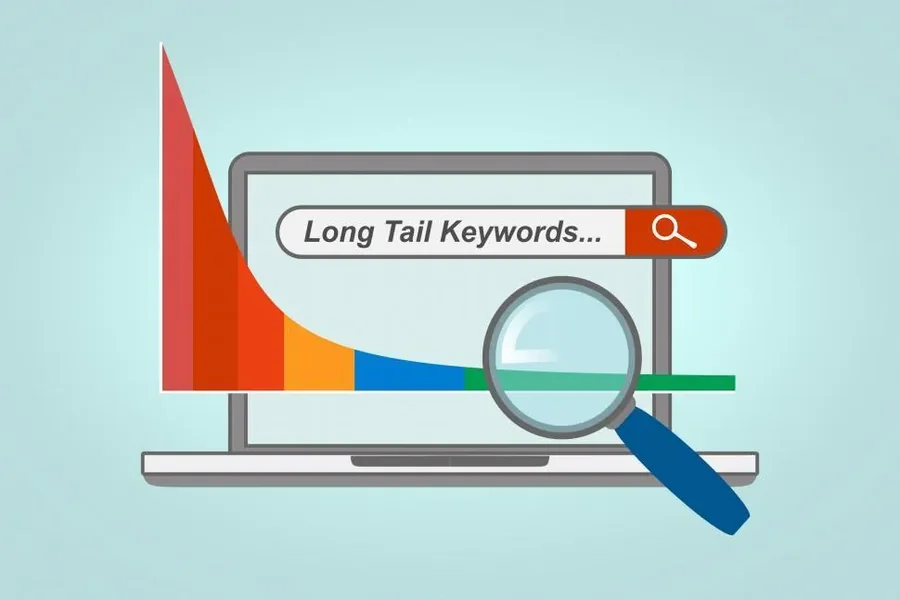
The name long tail comes from the shape of search demand graphs. A few keywords get huge traffic while thousands of smaller phrases make up the long tail. Together these smaller phrases often generate more total traffic than the big terms.
This is why smart SEO strategies focus on both popular keywords and long tail ones.
Why Long-Tail Keywords Matter for SEO
Long tail keywords matter because they solve one of the biggest problems in SEO. Competition.
Short keywords are extremely competitive. Thousands of websites target them. Ranking for a word like insurance or laptop can take years and huge budgets. For a new or small site this is almost impossible.
Long tail phrases are different. Fewer websites target them so you have a better chance to rank faster. Even new domains can appear on the first page when content matches the search intent closely.
They also improve conversion rates. Someone searching digital camera might just be browsing. Someone searching affordable mirrorless camera for travel vlogging is likely ready to buy. Specific searches lead to specific actions.
Another benefit is relevance. Long tail content answers exact questions. This improves user satisfaction. When visitors find exactly what they need they stay longer and trust your site more. Search engines notice these positive signals.
Over time many small wins from long tail keywords add up to steady and reliable traffic growth.
How to Find the Right Long-Tail Keywords
Finding long tail keywords is easier than most people think. You just need to pay attention to how real people search.
Start with Google autocomplete. Type a phrase and see the suggestions. These come from actual searches. They often reveal great long tail ideas you might not consider.
Check the People Also Ask section. These questions show common problems users want solved. Each question can become a blog post or FAQ section.
Keyword research tools also help. They provide search volume competition scores and related phrases. Look for keywords with moderate or low competition and clear intent.
Another method is analyzing forums and communities. Read what people ask on social platforms or discussion boards. Their natural language often matches long tail searches perfectly.
Do not forget your own site data. If you already have traffic check your analytics to see which phrases bring visitors. Expand on those topics with deeper content.
Finally group similar keywords together. Instead of writing separate pages for tiny variations create one strong page that naturally covers related terms.
How to Use Long-Tail Keywords in Your Content
After finding good keywords the next step is using them correctly. Placement matters but natural writing matters more.
Add your main long tail keyword to the page title. Include it in the H1 heading and early in the introduction. This helps search engines understand your topic quickly.
Use related phrases in subheadings and body text. Do not repeat the same keyword again and again. That looks unnatural and can hurt readability. Instead write naturally and focus on solving the reader’s problem.
Create detailed content. Long tail searches usually expect deeper answers. Provide step by step guidance examples and tips. The more helpful your page is the better it performs.
Optimize URLs as well. Short clean URLs that include the keyword look professional and are easier to share.
Internal links are also useful. Link from broader pages to your long tail articles. This sends authority and helps search engines discover them.
Remember that your first goal is always the reader. If your content feels forced or stuffed with keywords you need to simplify it.
Common Mistakes to Avoid
Many websites fail with long tail keywords because of small but costly mistakes.
One common issue is targeting keywords with zero intent. Some phrases may look interesting but no one actually wants to take action. Always consider what the user expects after searching.
Another mistake is creating too many thin pages. Writing dozens of short articles with little value weakens your site. Instead combine related keywords into one strong comprehensive page.
Ignoring technical SEO is also risky. Even the best keyword strategy fails if your site loads slowly or is not mobile friendly. Performance still matters.
Some people copy content from competitors. This never works long term. Search engines reward original insights and unique perspectives.
Finally do not expect instant results. SEO takes time. Long tail keywords may rank faster than broad ones but they still need patience and consistent effort.
Final Thought
Long tail keywords may look small but they carry big potential. They help new websites compete with larger brands. They attract visitors who are ready to act. They create steady growth instead of random spikes.
By focusing on specific searches you build content that truly helps people. That is exactly what search engines want to reward. Start by researching real questions. Create useful pages that answer them clearly. Optimize your structure and keep improving over time.
If you make long tail keywords a core part of your SEO strategy you will notice better rankings higher engagement and stronger conversions. Instead of fighting for crowded terms you will build your own space in the search results.
In the end smart SEO is not about chasing the biggest keywords. It is about connecting with the right audience at the right moment. Long tail keywords help you do exactly that.