Basic Life Support (BLS) training teaches high-performance CPR, AED use, and airway management for healthcare professionals. Choosing the right training partner ensures you build actual muscle memory, stay compliant with industry regulations, and gain the confidence to save lives during critical emergencies.
Have you ever frozen in a moment of panic? It happens to the best of us. But when you work in healthcare, dentistry, or emergency response, freezing simply isn’t an option. You need life-saving skills that kick in automatically before you even have time to think.
That is exactly why finding a top-tier BLS Provider is so critical for your career and the people you serve. It’s not just about ticking a box for your employer. It’s about being ready for the worst-case scenario.
What is Basic Life Support (BLS) anyway?
Basic Life Support, commonly known as BLS, is an advanced level of CPR training designed specifically for healthcare professionals and first responders. It goes way beyond the basics you might learn in a standard weekend first aid class.
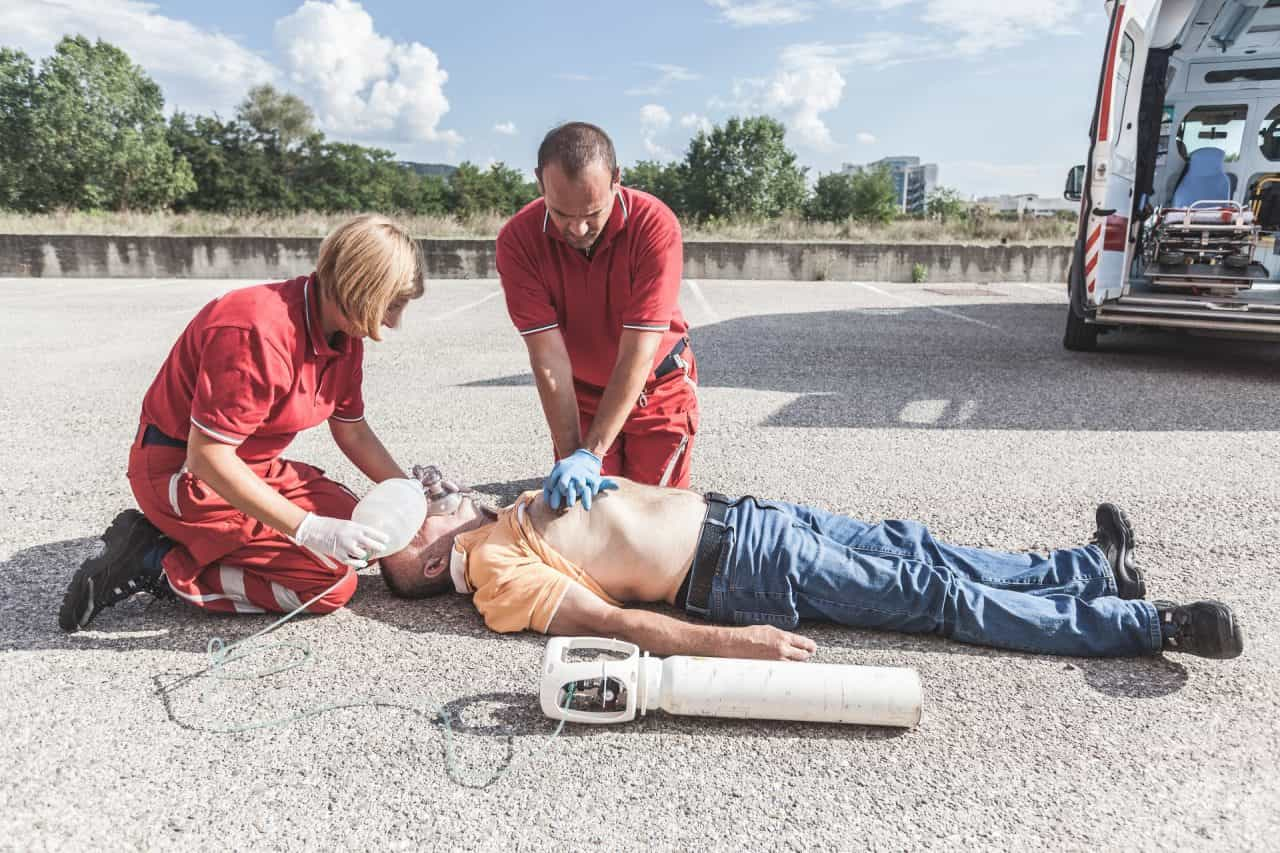
In a BLS course, you learn how to perform high-quality, high-performance CPR. You practice using an Automated External Defibrillator (AED), using bag-valve masks for ventilation, and working seamlessly as a team during a cardiac arrest event. It is intense, but it has to be.
Who really needs to take a BLS course?
Are you wondering if this level of training applies to you? Usually, if you work in a clinical or emergency setting, the answer is yes.
Nurses, doctors, paramedics, and firefighters all require active BLS certification. But it doesn’t stop there. Dental hygienists, personal support workers, and even medical and nursing students need these credentials before they can start their clinical placements.
How does BLS differ from standard CPR?
This is a question we hear all the time. Standard CPR is meant for the general public—teachers, office workers, and babysitters. It teaches you how to keep someone alive until the ambulance arrives.
BLS, on the other hand, is for the people in the ambulance. Or the people waiting in the emergency room. It involves medical terminology, pulse checks, and advanced team dynamics. You learn how to take over a scene, not just manage it temporarily.
Why is it so hard to fit training into a busy schedule?
We get it. Healthcare workers are exhausted. The thought of spending your only day off sitting in a stuffy classroom for eight hours sounds miserable.
Luckily, training has evolved. The best way to get certified now is through Blended Learning. This format lets you do all the theoretical reading and video modules online at your own pace. You can do it in your pajamas on a Tuesday night if you want.
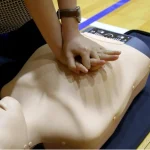
Then, you just show up for an in-class skills session. You get the hands-on practice with the mannequins and the instructor without wasting your whole day. It is WSIB and OHS approved, meaning your boss will be perfectly happy with it.
If you are looking for first aid training near downtown Oshawa, the bustling Simcoe Street South corridor, or other areas close to our facility, then you may reach out to Coast2Coast First Aid/CPR – Oshawa in that area.
Frequently Asked Questions
How long does a BLS certification last? Your BLS certification is valid for one year. Because the skills are so critical and rely heavily on muscle memory, healthcare guidelines require annual renewal to ensure you stay sharp.
Do I need a textbook for the BLS course? Most modern training partners provide digital materials when you register. If you take a blended learning course, the theory is built right into the online modules, so you don’t need to lug a heavy book around.
Can I do my BLS training completely online? No. While you can do the theory portion online through a blended format, the physical skills must be evaluated in person. You have to physically demonstrate high-quality chest compressions to pass.
What happens if I fail the practical skills test? Instructors want you to succeed. If you struggle with a specific skill, the instructor will typically pause, correct your form, and give you extra time to practice until you feel comfortable and can demonstrate it correctly.
Is BLS the same as CPR Level C? No, they are different. CPR Level C covers CPR for adults, children, and infants for the general public. BLS includes those elements but adds healthcare-specific techniques like pulse checks and bag-valve-mask use.