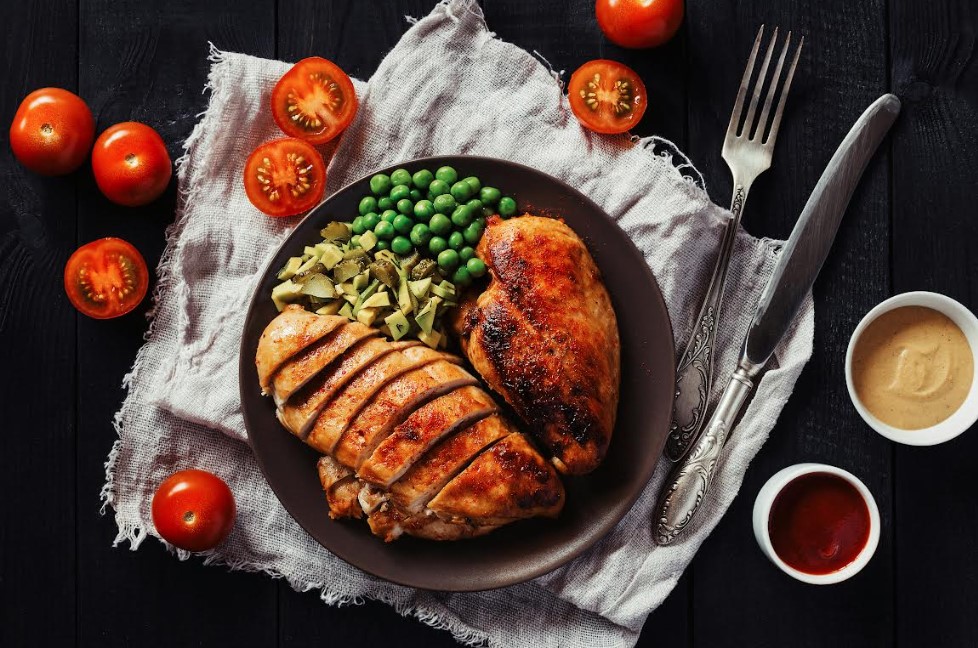
Protein has become one of the most talked-about parts of a healthy diet, but eating more of it doesn’t necessarily mean eating better. A balanced high-protein diet is much simpler than that: include a good source of protein regularly, combine it with foods that provide carbohydrates, healthy fats, fiber, vitamins, and minerals, and adjust the amount to suit your body and lifestyle. For people who exercise regularly, protein is particularly useful for supporting muscle repair and recovery. It can also make meals more satisfying, which is one reason protein-rich foods often feature in diets designed to support healthy weight management. The goal isn’t to turn every meal into a protein challenge, but to make protein a consistent part of the way you eat.
Why Protein Matters
Protein is involved in much more than muscle growth. Your body uses amino acids from protein to build and repair tissues and to produce enzymes, hormones, and other compounds involved in normal bodily functions. Adequate protein also becomes increasingly important for maintaining muscle as you get older. At the same time, more isn’t always better. Someone who already gets enough protein from a varied diet doesn’t necessarily benefit from adding another shake or protein bar to every meal. Your body size, activity level, age, and goals all influence how much protein makes sense for you. A useful approach is to think about protein as one component of a meal rather than the entire meal. Start with a protein source, then add vegetables or fruit, a carbohydrate source, and some healthy fat according to your preferences and energy needs.
How Much Protein Do You Need?
For healthy adults, the basic recommended dietary allowance is 0.8 grams of protein per kilogram of body weight per day. People who exercise regularly often have higher needs, particularly when their training involves resistance exercise or a high volume of endurance work.
Research in sports nutrition commonly places the needs of active adults somewhere around 1.4–2.0 grams per kilogram of body weight per day, although the right amount depends on your training, overall diet, and goals. Someone who exercises several times a week will generally need more than someone who is mostly sedentary, while people trying to preserve muscle during weight loss may benefit from a relatively higher intake. You don’t need to choose one number and treat it as a daily test. What matters more is establishing a consistent pattern that provides enough protein over time.
Build Meals Around Real Sources of Protein
You don’t need special foods to eat more protein. Eggs, fish, poultry, dairy products, beans, lentils, tofu, tempeh, and other minimally processed foods can all form part of a high-protein diet. Animal-based foods such as eggs, Greek yogurt, cottage cheese, chicken, fish, and lean meat tend to provide substantial amounts of protein in relatively small portions. They also offer other nutrients depending on the food. Salmon, for example, provides protein along with omega-3 fatty acids, while dairy products can provide calcium.
Plant-based foods can contribute plenty of protein as well. Lentils, beans, chickpeas, edamame, tofu, tempeh, nuts, seeds, and whole grains are all useful options to rotate through your meals. The key is variety. You don’t need to combine specific plant proteins at every meal, eating a varied diet throughout the day provides a broad range of amino acids.
Don’t Forget the Rest of the Plate
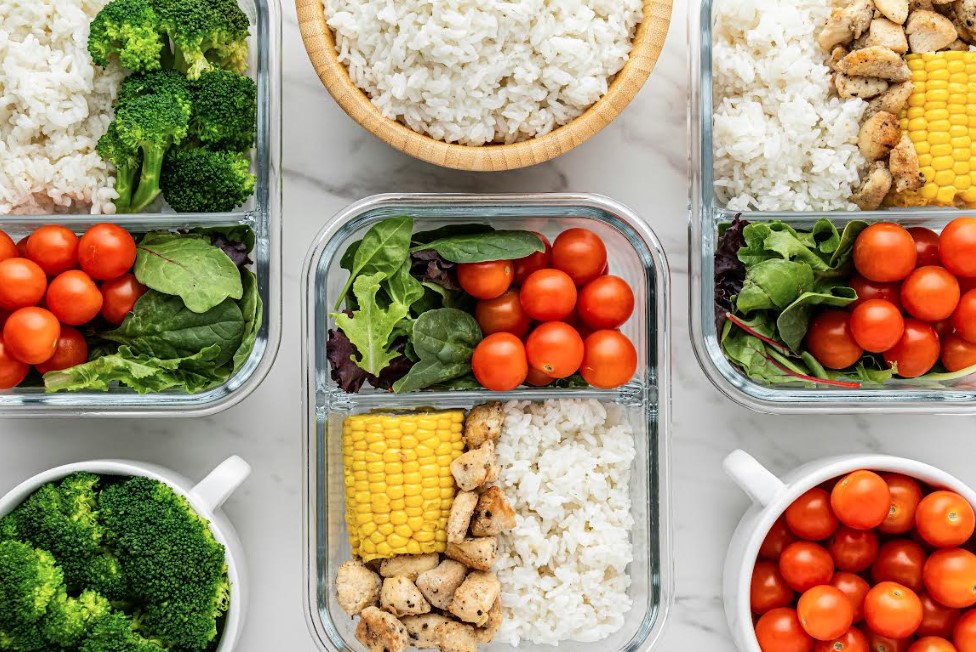
A high-protein diet shouldn’t become a low-everything-else diet. Carbohydrates provide an important source of energy, particularly if you exercise regularly. Oats, potatoes, rice, whole grains, fruit, and legumes can all fit comfortably into a high-protein eating pattern. Vegetables and fruit provide fiber and micronutrients, while foods such as olive oil, avocado, nuts, seeds, and fatty fish provide dietary fat. A meal such as salmon with roasted sweet potato and vegetables, for example, provides protein, carbohydrates, healthy fats, and plenty of other nutrients without requiring complicated preparation.
When Protein Supplements Make Sense
Protein powder isn’t a requirement for a healthy diet. If you already get enough protein from your meals, there’s no particular benefit to adding a shake simply because you exercise. Convenience is where protein supplements can be useful. A shake takes only a couple of minutes to prepare and can be easier to fit into a busy day than another full meal. It can also be useful after training when you need protein but won’t have time to eat a proper meal for several hours.
Whey protein is a popular option because it is a complete protein and is rich in essential amino acids, including leucine, which plays an important role in stimulating muscle protein synthesis. People who avoid dairy can choose plant-based protein powders made from sources such as peas or rice. When comparing protein powders, the ingredient list is worth checking. You don’t necessarily need a product with a long list of added ingredients to get the nutritional benefit you’re looking for. For example, Naked Nutrition’s whey protein isolate is designed around whey protein isolate rather than a long list of added ingredients. It can be mixed into a shake or added to foods such as oatmeal when you want a straightforward way to increase your protein intake. That doesn’t make protein powder better than whole food. It simply gives you another practical option for days when convenience matters.
Spread Protein Throughout the Day
One easy way to improve your protein intake is to stop leaving most of it until dinner. Instead of having a low-protein breakfast and lunch and then trying to make up the difference with one enormous evening meal, include a meaningful source of protein several times throughout the day. Breakfast might include eggs and Greek yogurt. Lunch could be a chicken and grain bowl. A protein shake could serve as an afternoon snack, particularly around a workout, while dinner might include salmon, tofu, or another protein source alongside vegetables and potatoes.
The exact numbers are less important than the pattern. Making protein part of every meal is generally more practical than trying to fit most of your daily intake into one sitting.

Common Mistakes to Avoid
A high-protein diet can become unnecessarily complicated. One common mistake is assuming that every packaged food labeled “high protein” is automatically a healthy choice. Protein content is only one part of the nutritional picture, so check the rest of the label as well. Another is cutting carbohydrates or fats too aggressively in an attempt to make room for more protein. Your body needs all three macronutrients, and the right balance depends on your individual needs and activity level.
It’s also easy to underestimate the protein in ordinary foods. Greek yogurt, eggs, lentils, fish, tofu, and cottage cheese can all make a meaningful contribution without requiring special preparation. Finally, don’t let protein crowd out variety. A diet consisting almost entirely of chicken breast and protein shakes may be high in protein, but it isn’t likely to provide the range of foods and nutrients that make a diet enjoyable and sustainable.
What a High-Protein Day Can Look Like
A balanced day might include Greek yogurt with berries and oats for breakfast, a chicken and quinoa bowl with vegetables for lunch, a protein shake and fruit as an afternoon snack, and grilled salmon or tofu with potatoes and vegetables for dinner. The specific foods don’t matter as much as the structure. The same approach can be adapted to different cuisines, dietary preferences, budgets, and schedules.
Eating more protein doesn’t require a complete change in the way you eat. Start by adding a stronger protein source to one meal, then look for other easy opportunities throughout the day. Keep convenient options available for busy periods, but don’t feel that every meal needs to be optimized. A balanced high-protein diet is ultimately about making protein a consistent part of your meals while leaving plenty of room for vegetables, fruit, whole grains, healthy fats, and the foods you genuinely enjoy. When the approach is simple enough to fit into everyday life, eating well becomes much easier to sustain.