One of the most common questions parents ask is, “When is the right age for my child to get braces?” While it might seem like there should be a simple answer, the reality is more nuanced. Orthodontic care is not based on age alone, but rather on a child’s stage of dental and skeletal development.
Current clinical guidelines from the American Association of Orthodontists recommend that children receive their first orthodontic evaluation by age 7. At this stage, most children have entered what is known as the mixed dentition phase, meaning they have a combination of primary (baby) teeth and permanent teeth. This transitional period provides orthodontists with valuable insight into how the teeth and jaws are developing.
Importantly, an evaluation at age 7 does not necessarily mean that treatment will begin immediately. In many cases, no active intervention is required at this stage. Instead, the purpose is early detection—identifying potential issues before they become more complex.
Why Early Evaluation Is Clinically Important
From a developmental standpoint, age 7 represents a critical window for assessing both dental alignment and jaw growth. During this time, orthodontists can evaluate key factors such as:
- the eruption pattern of permanent teeth
- the relationship between the upper and lower jaws
- spacing or crowding trends
- functional concerns such as bite alignment
Early identification of these issues allows for more precise treatment planning. In some cases, interceptive orthodontics—often referred to as Phase 1 treatment—may be recommended to guide jaw growth or create space for incoming teeth.
Research in pediatric orthodontics suggests that early intervention can reduce the severity of certain malocclusions (bite problems) and, in some cases, shorten or simplify future treatment. However, it is equally important to note that not all children benefit from early treatment, which is why individualized assessment is essential.
The Most Common Age for Braces
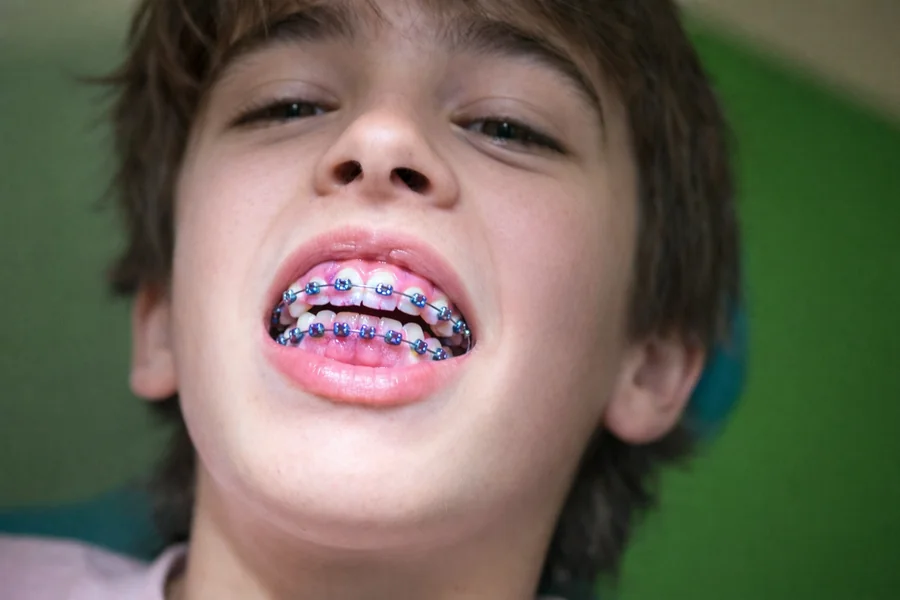
While early evaluation is recommended, most children do not begin full orthodontic treatment until later, typically between the ages of 9 and 14.
This age range is widely considered optimal for several reasons. By this stage:
- most or all permanent teeth have erupted
- the jaw is still actively growing
- bone remodeling occurs more efficiently
- tooth movement tends to be more predictable
From a clinical perspective, treating patients during this growth phase allows orthodontists to achieve more stable and efficient outcomes. It also reduces the likelihood of prolonged treatment times compared to starting too early or too late.
According to this dentist who does Invisalign in Little Neck NY, capitalizing on this developmental window makes the alignment process a much smoother experience for young patients. Scheduling a timely consultation during these years ensures that the treatment plan is perfectly synchronized with their natural growth, paving the way for a healthy, beautifully balanced smile that lasts a lifetime.
When Earlier Treatment May Be Necessary
Although many children can wait until their pre-teen years, some cases require earlier intervention. These situations often involve more significant functional or skeletal concerns rather than purely cosmetic alignment.
Examples where early treatment may be recommended include:
- crossbites that affect jaw development
- severe crowding that blocks proper tooth eruption
- pronounced overbite or underbite
- jaw asymmetry or growth discrepancies
- habits such as prolonged thumb-sucking that impact oral structure
In these cases, early orthodontic appliances—such as palatal expanders or limited braces—may be used to address foundational issues. This approach can help prevent more complex problems later and may reduce the need for extractions or surgical correction in adolescence.
Recognizing Signs That Braces May Be Needed
While professional evaluation is the most reliable method, parents can often notice early signs that may indicate the need for orthodontic care.
Common indicators include:
- visibly crowded or overlapping teeth
- gaps that seem excessive for the child’s age
- difficulty biting or chewing properly
- mouth breathing or speech issues
- jaws that shift, click, or appear misaligned
- early or delayed loss of baby teeth
These signs do not always mean braces are required, but they do suggest that an orthodontic assessment would be beneficial.
A Developmental Approach to Orthodontic Timing
Modern orthodontics increasingly emphasizes a developmental, patient-specific approach rather than a one-size-fits-all timeline. Each child’s dental growth pattern, genetics, and oral habits all play a role in determining the appropriate timing for treatment.
Some children may require a two-phase approach, beginning with early intervention and followed by comprehensive braces later. Others may only need a single phase during adolescence. In many cases, careful monitoring over time is the most appropriate course of action.