Globally, mental health issues impact communities, companies, families, and people. Unexpected events may cause stress, anxiety, despair, trauma, and emotional discomfort, which might worsen if prompt assistance is not received. Professional care is necessary, but having someone nearby help you right away may make all the difference. After completing a certified First Aid Mental Health Course, people have the skills and self-assurance necessary to identify warning signs and provide early help when mental health issues arise.
Comprehending Mental Health First Aid
Early detection, initial support, and directing people towards the right professional assistance are the main goals of mental health first aid. It is not intended to take the place of medical or psychological care, just like physical first aid. Rather, it teaches participants how to react appropriately and gently when someone exhibits symptoms of acute anxiety, panic, emotional distress, or suicidal thoughts. People who get training are better able to handle delicate circumstances with tact, empathy, and useful communication techniques.
A certified course offers systematic instruction covering crisis response methods, supportive communication tactics, and mental health issues. Participants acquire the skills essential to evaluate circumstances, lower immediate danger, and persuade people to seek medical attention when required.
Early Identification And Assistance
The capacity to identify early warning signals is one of the most important advantages of mental health first aid training. Behaviour changes, mood swings, social disengagement, sleep issues, or unexpected emotional outbursts may all be signs of underlying mental health issues.
Participants in the training may take early action before the problem worsens by learning to recognise these signs. Early intervention may help people recover more quickly, avoid crises, and lessen the severity of mental health events. This ability is particularly crucial in settings like homes, schools, and workplaces where people interact on a regular basis and may pick up on minute changes that others overlook.
Developing The Self-Belief To Act In Emergencies
When someone has a panic attack, an emotional breakdown, or suicidal thoughts, many people are not sure how to react. Inaction is often the result of fear of saying the incorrect thing. By offering precise response frameworks and realistic situations, a certified mental health first aid programme eliminates this ambiguity.
Participants get knowledge on how to maintain composure, guarantee security, listen objectively, and provide comfort. They also learn how and when to call for help in an emergency. Completing the Mental Health Course 13379NAT gives people organised advice that boosts their confidence and empowers them to act with compassion and decisiveness in emergency situations.
Developing Empathy And Communication Skills
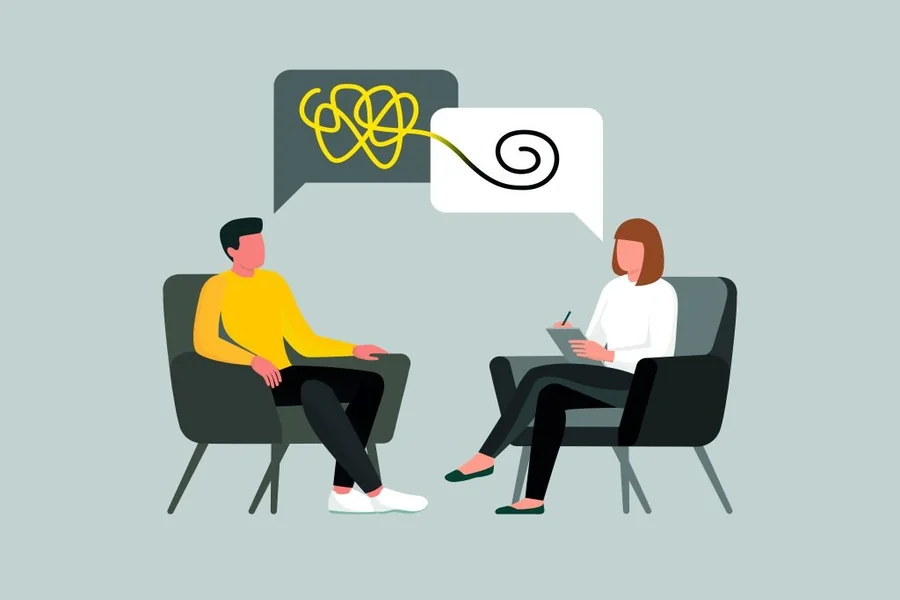
The foundation of mental health assistance is effective communication. Participants in the training learn how to validate emotions, listen intently, and refrain from using hurtful or contemptuous words. Being able to speak without passing judgment helps those who are experiencing distress to feel heard and supported.
These communication abilities are not limited to emergency circumstances. They enhance regular relationships in communities, at business, and at home. A culture of openness and support is fostered, and stigma is lessened when individuals feel comfortable talking about their feelings.
Promoting Well-Being At Work
Problems with mental health have a big impact on morale, engagement, and productivity at work. Stressed-out or emotionally distressed workers may have trouble focusing, showing up, and performing. Safer and more encouraging work environments are created by companies that urge employees to undergo mental health first aid training.
Skilled employees are able to spot coworkers who may be having difficulties and direct them to the right resources. This proactive strategy boosts workplace resilience, enhances collaboration, and lowers absenteeism. An organisation’s culture is improved when its employees are trained in First Aid Mental Health techniques.
Increasing Awareness And Reducing Stigma
One of the greatest obstacles keeping people from getting treatment is still stigma. Isolation, judgment, and an unwillingness to communicate candidly may result from misconceptions regarding mental health issues.
By assisting participants in dispelling myths and misunderstandings, mental health first aid education fosters knowledge and understanding. Communities become more inclusive and supportive as more people gain knowledge. This change in culture promotes early assistance seeking and enhances mental health in general.
In Conclusion
A certified mental health first aid training equips participants with useful skills that enable them to identify mental health issues, act appropriately in emergency situations, and direct people towards expert assistance. The advantages go far beyond the training setting, ranging from enhancing community resilience and workplace well-being to lowering stigma and enhancing communication. Building safer, more empathetic, and emotionally supportive communities is greatly aided by mental health first aid training, which gives individuals the knowledge and confidence to intervene when it counts most.