When the weather warms up and you are heading outside for a day under the sun, it is easy to start thinking about catching a golden glow. But as you grab your beach bag and reach for your favorite bottle of sun protection, a very common question usually pops into your head – can you tan with sunscreen on?
It is one of the oldest debates in summer skincare. Some people swear that wearing SPF stops you from getting any color at all, while others assume that as long as they don’t burn, a nice tan will magically develop underneath.
Let’s take a casual, honest look at how tanning actually works, what sunscreen is designed to do and why chasing that golden color might not be doing your skin any favors even when you are using a great mineral formula like the Blue Lizard Sensitive Mineral SPF 50 Spray.
How Tanning Actually Works
To understand whether can you tan with sunscreen on, we have to look at what a tan actually is biologically.
When ultraviolet (UV) radiation from the sun hits your skin, it causes cellular stress. In an attempt to defend itself from further DNA damage, your skin triggers special cells called melanocytes to produce extra melanin the pigment responsible for skin darkening.
That sudden burst of melanin is what creates a tan. In other words, a tan is your skin’s distress signal. It is living proof that your skin has taken a hit from UV radiation and is desperately trying to shield itself from burning.
Can You Still Get Color While Wearing SPF?
The short answer is yes, but it depends entirely on how well your sunscreen is working.
There is no sunscreen in the world that blocks all of the ultraviolet rays. The best sunscreen with maximum protection allows only a very small amount of light to pass through. For instance, a sunscreen with SPF 50 will block approximately 98% of the UVB rays, meaning roughly 2% still manages to reach your skin.
Because that small percentage of UV rays still gets through, some people might notice a very gradual shift in skin tone over time, especially if they spend hours outside without reapplying. But if you apply your sunscreen properly and keep reapplying it frequently, then your skin should not change color drastically. The primary function of sunscreen is to make sure that this kind of damage doesn’t result in a burn or something more serious.
Why Mineral Protection Changes the Game
If you do spend long hours outdoors, the type of sunscreen you spray on matters a lot especially if your skin is easily irritated.
Traditional chemical sunscreens absorb UV rays and convert them into heat, which can sometimes trigger allergic reactions or heat rashes in sensitive individuals. On the other hand, mineral formulas take a purely physical approach.
Packing a hefty 24% Zinc Oxide, this spray sits directly on top of your skin, acting like a physical shield that bounces UVA and UVB rays away before they can penetrate. Because it relies entirely on mineral blockers, it offers robust broad-spectrum defense without chemical active ingredients or heavy airborne titanium dioxide particles.
Keeping Sensitive Skin Safe and Nourished
Being exposed to the elements is not easy on your skin and will leave it feeling irritated and dry. Sunscreens shouldn’t make that irritation worse.
A good spray for outdoor use will keep your skin protected while being soothing to the skin. Sprays with moisturizing benefits such as organic aloe vera give the skin relief from irritation.
Furthermore, choosing a reef-safe formula made without oxybenzone or octinoxate makes sure that when you go swimming or cool off in natural waters, your day outdoors doesn’t leave a negative impact on fragile aquatic ecosystems.
Best Practices for Outdoor Sun Safety
Whether your goal is to stay completely protected or just enjoy the fresh air without getting burnt, following a few simple application habits makes all the difference
- Shake it up – Always give your sunscreen spray a thorough shake before and frequently during use to keep the mineral ingredients evenly mixed.
- Hold it right – Keep the container about 4 to 6 inches away from your skin when spraying.
- Pro tip – Never spray directly into your face spray it onto your hands first, then gently rub it onto your face!
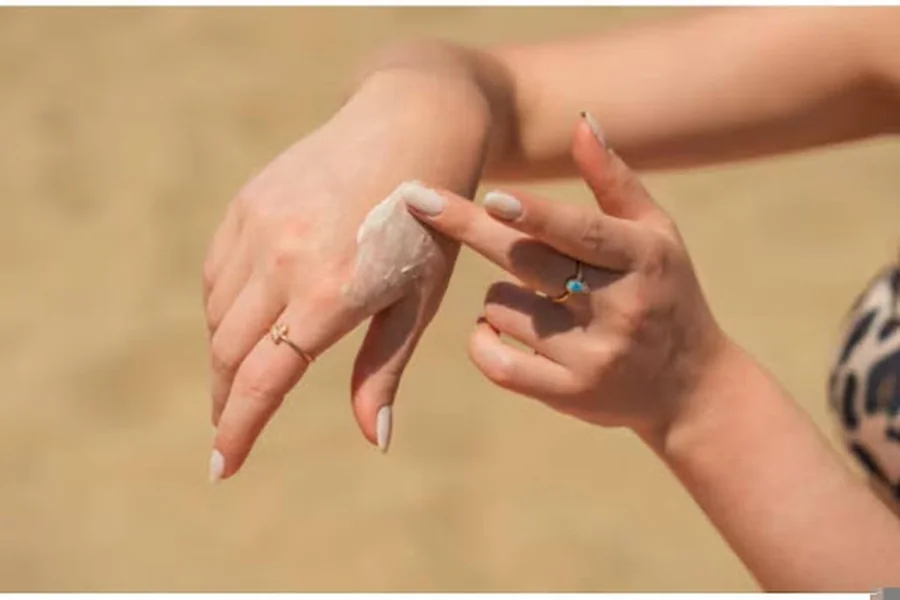
- Rub it in – Even though modern mineral sprays dry clear, taking a few seconds to rub the product into your skin makes sure of complete, uniform coverage.
- Reapply often – No matter what your tanning goals are, sun protection wears off. Make sure to reapply at least every 2 hours, or immediately after 80 minutes of swimming or sweating and right after towel drying.
Embracing Healthy Skin All Year Long
At the end of the day, chasing a tan goes against what sunscreen is meant to do. Sunscreen isn’t an invisible shield designed to help you tan safely; it is a vital tool to protect your skin’s health, prevent DNA damage and keep your skin looking youthful and resilient for years to come.
By choosing a gentle, reliable mineral option like the Blue Lizard Sensitive Mineral SPF 50 Spray, you can enjoy all your favorite outdoor activities, from hiking and swimming to relaxing in the park knowing your skin is properly comfortable and healthy from head to toe!