Preventive maintenance protects commercial properties by addressing issues early, reducing repair costs, extending equipment life, and ensuring tenant satisfaction. It’s an essential strategy for property managers.
Essential Components of a Preventive Maintenance Plan
A successful preventive maintenance plan requires several key elements working together. Without these components, even the best intentions can fall short.
Equipment Inventory and Documentation
Start by creating a comprehensive inventory of all building systems and equipment. This includes HVAC units, electrical systems, plumbing, elevators, fire safety equipment, and building envelope components. Document manufacturer specifications, warranty information, installation dates, and maintenance history for each item.
Scheduled Maintenance Tasks
Develop specific maintenance schedules based on manufacturer recommendations and industry standards. HVAC systems might need monthly filter changes and quarterly inspections, while elevators require monthly safety checks and annual certifications. Create detailed checklists for each task to ensure consistency.
Priority Classification System
Not all maintenance tasks carry equal importance. Classify equipment and systems based on their criticality to building operations. Life safety systems like fire suppression and emergency lighting should receive top priority, followed by systems that directly impact tenant comfort and business operations.
Resource Allocation
Determine staffing requirements, budget allocations, and vendor relationships needed to execute your plan. Some tasks can be handled by in-house maintenance staff, while others require specialized contractors. Plan for both routine maintenance costs and emergency reserves.
Incorporating a comprehensive approach to preventive maintenance not only extends the lifespan of equipment but also enhances operational efficiency. It’s crucial to regularly assess the condition of your systems and identify potential issues before they escalate. To ensure your plan is robust, consider consulting with professionals who can provide tailored advice and solutions. For those seeking expert guidance, it’s beneficial to check available services that offer specialized support in maintaining optimal performance. By doing so, you can address specific needs and implement strategies that align with your operational goals, ultimately leading to a more reliable and cost-effective maintenance routine.
Benefits of Implementing a Maintenance Plan
Preventive maintenance delivers measurable returns that justify the upfront investment in planning and execution.
Cost Savings and Budget Predictability
Regular maintenance prevents small issues from becoming major repairs. Replacing worn belts on HVAC systems costs far less than emergency repairs when motors fail unexpectedly. This approach also makes budgeting more predictable, as you can plan for scheduled maintenance rather than dealing with surprise expenses.
Extended Equipment Life
Well-maintained equipment lasts significantly longer than neglected systems. HVAC units that receive regular maintenance can operate efficiently for 15-20 years, while poorly maintained units might fail after just 10 years. This extended lifespan improves your return on investment for major building systems.
Improved Tenant Satisfaction
Preventive maintenance keeps building systems running smoothly, reducing tenant complaints about temperature issues, elevator downtime, or other comfort problems. Happy tenants are more likely to renew leases and recommend your property to others.
Energy Efficiency Gains
Regular maintenance ensures systems operate at peak efficiency. Clean filters, calibrated thermostats, and properly lubricated equipment consume less energy, reducing utility costs. Some studies show preventive maintenance can reduce energy consumption by 10-15%.
Steps to Create an Effective Preventive Maintenance Plan
Building a maintenance plan requires systematic planning and attention to detail. Follow these steps to create a plan that delivers results.
Conduct a Comprehensive Building Assessment
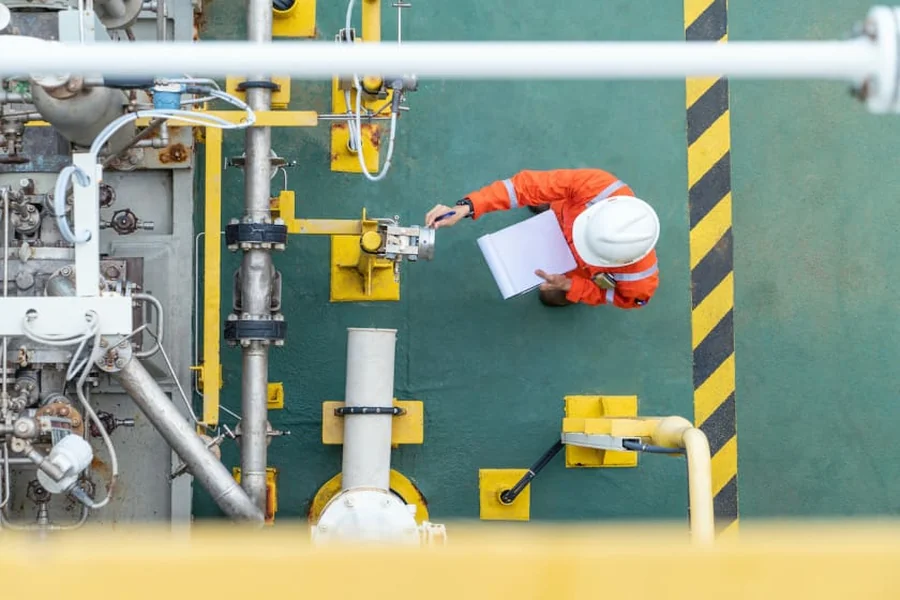
Walk through your building with qualified technicians to assess the condition of all major systems. Identify equipment that needs immediate attention and systems approaching the end of their useful life. This assessment forms the foundation for your maintenance priorities.
Establish Maintenance Schedules
Create detailed schedules for each piece of equipment based on manufacturer recommendations and industry best practices. Consider factors like equipment age, usage patterns, and environmental conditions. A roof in a harsh climate might need more frequent inspections than one in a mild environment.
Develop Standard Operating Procedures
Document step-by-step procedures for each maintenance task, including furnace repairs, like in Draper. Include safety requirements, necessary tools, and quality checkpoints. These procedures ensure consistent execution regardless of who performs the work.
Create Documentation Systems
Implement systems to track maintenance activities, costs, and equipment performance. This documentation helps identify trends, justify budget requests, and demonstrate compliance with warranty requirements.
Train Your Team
Ensure all maintenance staff understand their roles and responsibilities. Provide training on new procedures, safety protocols, and equipment-specific requirements. Consider cross-training to ensure coverage when team members are unavailable.
Technology and Tools for Maintenance Management
Modern technology can significantly improve the efficiency and effectiveness of preventive maintenance programs.
Computerized Maintenance Management Systems (CMMS)
CMMS software helps track equipment, schedule maintenance, manage work orders, and analyze performance data. These systems can automatically generate work orders, send reminder notifications, and provide detailed reporting on maintenance activities and costs.
IoT Sensors and Monitoring
Internet of Things sensors can monitor equipment performance in real-time, alerting maintenance teams to potential problems before they cause failures. Temperature sensors can detect HVAC issues, vibration sensors can identify bearing problems in motors, and water sensors can catch leaks early.
Mobile Applications
Mobile apps allow maintenance technicians to access work orders, update task status, and capture photos or notes while in the field. This real-time communication improves coordination and ensures accurate documentation.
Predictive Analytics
Advanced analytics can analyze equipment performance data to predict when components are likely to fail. This capability allows for even more precise maintenance scheduling and can prevent unexpected breakdowns.
Conclusion
Developing a preventive maintenance plan ensures long-term benefits by focusing on critical systems, updating procedures, and partnering with experts to manage costs. Start now to protect your property and improve tenant satisfaction.