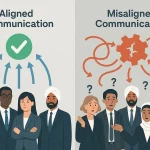
In today’s connected world, digital well-being has become a crucial topic for everyone, and it is especially important for neurodiverse adults. The online environment offers incredible opportunities for learning, socializing, and accessing resources, but it also presents unique challenges. Many neurodiverse individuals experience the digital space differently, noticing sensory overload, difficulties with multitasking, or challenges in interpreting online communication. To navigate this space effectively, it is essential to understand strategies for safety, social interaction, and maintaining balance. Organizations such as the center for developmental disabilities provide guidance and training to help adults use technology safely while building confidence and independence.
Online Safety: Protecting Personal Information and Boundaries
One of the most important aspects of digital well-being is online safety. Using secure passwords is a basic but critical step. Passwords should be unique, complex, and changed regularly to reduce the risk of unauthorized access. Tools such as password managers can simplify this process while keeping accounts secure.
Phishing attacks and online scams pose another serious risk. These deceptive messages often attempt to steal personal information or financial data. Neurodiverse adults may be particularly vulnerable if they are unfamiliar with subtle signs of phishing. Learning to identify suspicious links, emails, and requests is an essential skill for maintaining digital security.
Maintaining healthy social media boundaries is equally important. Over-sharing personal details or accepting unknown contacts can expose individuals to risks. Setting clear limits on what is shared, who is allowed to interact, and how often social media is used can protect both privacy and emotional well-being. Education and support from trusted organizations help adults implement these practices safely and effectively.
Healthy Social Interaction in the Digital Space
Social interaction online can be both rewarding and overwhelming. Platforms provide opportunities for connection, learning, and community building, but too much engagement can lead to stress and digital fatigue. Understanding the difference between supportive and harmful online interactions is key.
Online communities tailored to specific interests or developmental needs can offer a safe space for socializing and learning. Participating in moderated forums, virtual groups, or interest-based chat rooms allows neurodiverse adults to connect meaningfully without the pressure of real-world social cues.
At the same time, it is important to recognize red flags in digital communication. Unkind messages, cyberbullying, or manipulative behavior can negatively affect mental health. Learning to disengage from harmful interactions, report inappropriate content, and seek support ensures a positive online experience. These strategies help individuals navigate the digital space with confidence and maintain their emotional safety.
Recognizing Digital Overload and Finding Balance
Digital overload can manifest as fatigue, irritability, distraction, or difficulty focusing. Neurodiverse adults may be particularly sensitive to prolonged screen time, notifications, and constant information flow. Recognizing the signs of digital overload is the first step toward regaining balance.
Maintaining a structured approach to technology use is highly effective. Strategies such as scheduled breaks, screen-free periods, and prioritizing essential tasks help reduce overstimulation. Mindful technology use encourages intentional engagement rather than automatic scrolling or multitasking, improving focus and emotional regulation.
Community centers and specialized programs play a crucial role in supporting digital balance. Through workshops, coaching, and group activities, adults can learn practical techniques to manage screen time, organize their online environment, and build healthier habits that support both independence and well-being.
Tools, Apps, and Programs That Enhance Digital Life
A variety of tools and apps can support neurodiverse adults in maintaining digital well-being. Apps for emotional regulation, such as mood trackers, guided breathing exercises, or mindfulness programs, provide immediate support when stress levels rise. These tools help individuals recognize patterns, identify triggers, and implement calming strategies.
Online learning platforms expand access to education and skill-building opportunities. From video tutorials to interactive courses, these platforms allow adults to learn at their own pace and explore interests safely. They can also support vocational training, creative development, and social skill-building.
Digital self-direction tools give adults greater control over their schedules, goals, and online engagement. These programs allow individuals to organize tasks, plan activities, and make informed decisions about technology use. Combined with support from community centers or developmental specialists, these tools help adults take ownership of their digital lives while maintaining safety and balance.
Conclusion
Mindful and intentional use of technology can significantly improve the quality of life for neurodiverse adults. By understanding online safety, establishing healthy social interactions, recognizing signs of digital overload, and using supportive tools, individuals can enjoy the benefits of the digital world without becoming overwhelmed. Continuous education, practical training, and guidance from trusted organizations ensure that adults are equipped to navigate online spaces with confidence, independence, and resilience. Digital well-being is not only about safety but also about creating opportunities for growth, connection, and empowerment in a modern, connected world.