Elevators in buildings have a specific life cycle. After a few years of operation, elevators often require service, and eventually, they may need replacement. However, the replacement of elevators can be delayed if their important components are upgraded and repaired when required. This process of elevator modernization also makes elevators more efficient and safer for the users.
Elevator modular modernization helps building owners ensure that the elevators in their buildings adhere to all safety standards. Moreover, with the modernization of elevators, they perform optimally for long without breaking down and disrupting the flow of people in a building.
Components Upgraded in Elevator Modular Modernization
In elevator modular modernization, service providers always check for the main components of an elevator, without which it cannot operate. They look for the fault in these components and undertake the process of repair or replacement, as the case may be. The most important components that undergo modular modernization are:
- The controller system of an elevator may need to be repaired or replaced. This is especially required when the elevator starts functioning at a slower pace. When the control systems are upgraded, the elevator speed is maintained, and the elevators perform optimally.
- The electrification system of an elevator may develop problems because of faulty wires or cable connections. This makes elevators prone to failures. The upgradation of the electrification system enhances the safety and efficiency of elevators.
- The hoisting unit is responsible for the heavy lifting of an elevator. It may also become faulty. The hoisting unit should be replaced when it becomes outdated. This ensures that the elevator can continue operating in a smooth manner.
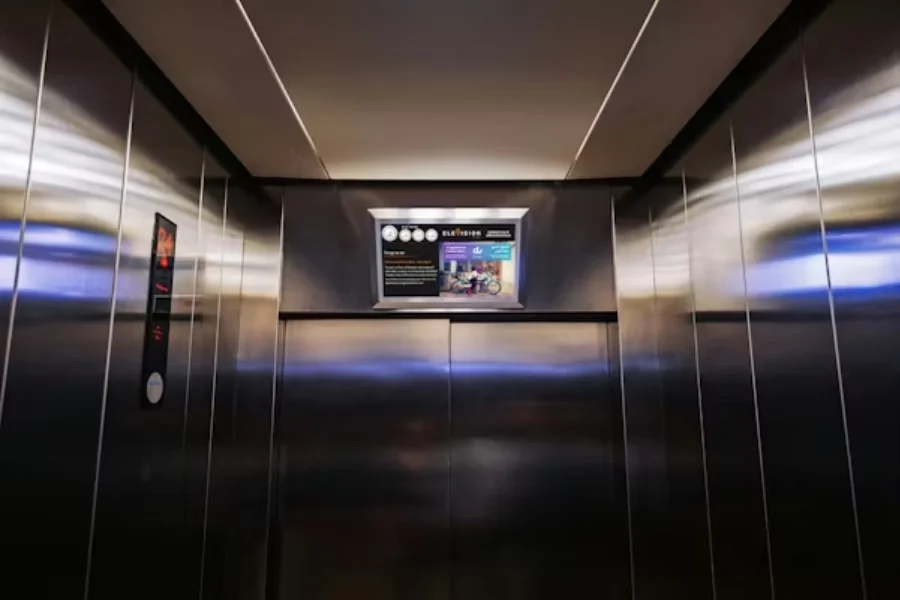
- The elevator cars or cabins may need an upgrade after a few years. This is usually required when the interiors of the cars become outdated and lose their aesthetic appeal. Upgrading the interiors equips these with new features and fixtures and improves their visual appearance.
- The elevator signage system may need to be repaired or replaced when it does not provide the users with the correct signs and directions or when it stops functioning. The upgradation of the signage system of elevators enhances the security of the users and makes the elevators easy to operate and access.
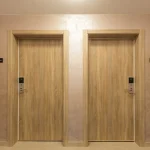
- Doors of the elevators may need to be repaired or replaced when they function at a slow speed, or if there is a problem with their opening and closing. Replacing the doors improves the operational efficiency of elevators and makes them secure.
Why Elevator Modular Modernization Is Important
Building owners must opt for elevator modular modernization to improve safety, enhance efficiency, reduce downtime, and extend the lifespan of their systems. For more insights on building upgrades and modernization strategies, visit maryelee24.
- Enhance the safety of the users by preventing failures and malfunctions
- Improve energy efficiency, as well as keep the operational costs low
- Provide a smooth ride to users, where elevators do not make any noise or jerky movements
- Make elevators easy to operate with the help of voice commands or touchless control systems
- Make the elevator easily accessible using apps or smartphones
- Make elevators tech-savvy and integrate newer technologies so that they perform optimally
- Reduce maintenance costs; upgradation can be done only when needed
- Improve the visual appearance of elevators with new fixtures
- Enhance the property value
To Sum It Up
When an elevator becomes old and frequently breaks down, it must be replaced. However, if the elevator functions properly and upgrading some components improves its performance and efficiency, building owners should choose the process of modular modernization. In this process, only the faulty components are repaired or replaced to maintain the efficiency and security of elevators.