There is a particular kind of creative frustration that every hobbyist knows: the vision in your head is cinematic, and the footage you can actually produce is a shaky phone clip lit by a desk lamp. For decades the gap between imagining a scene and rendering one belonged exclusively to people with gear, crews, and budgets. The past year and a half has closed that gap in a way that still feels slightly unreal to anyone who has tried it: you describe a scene in a sentence or two, wait a minute, and watch it play back.
What the Current Tools Can Really Do
Strip away the hype and the honest capability list is still remarkable. Today’s video models generate clips of several seconds to around a minute with coherent motion — walking figures that do not glitch mid-stride, water that flows instead of shimmer, camera moves that feel intentional. Give them a reference image and they will animate it while keeping the subject recognizable, which is how creators turn a single illustration into a moving title sequence, or a pet photo into a birthday greeting that gets the whole family texting. Audio arrived too: several models now generate ambient sound and even dialogue synchronized to the visuals.
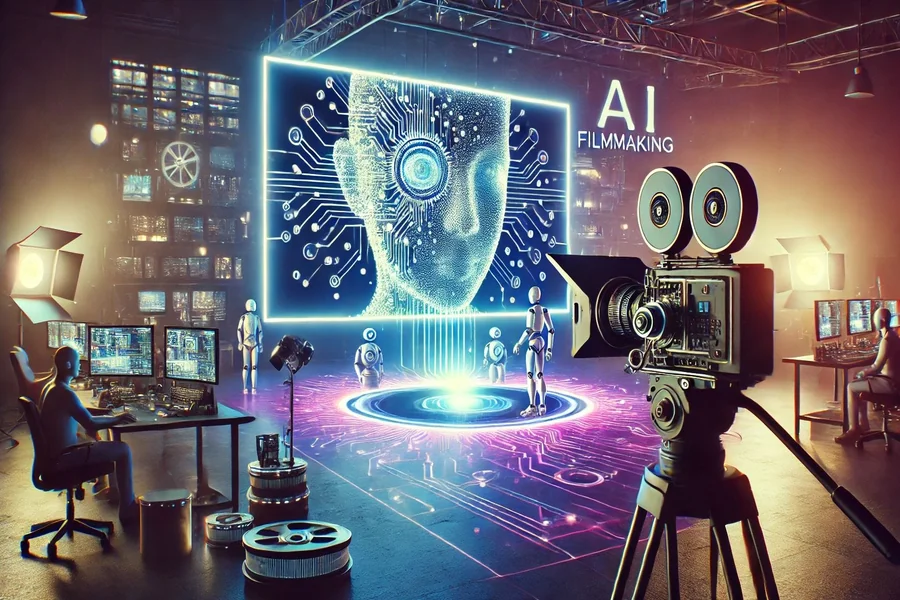
The limits are equally real. Long-form narrative is still assembled from short generations, complex hand interactions wobble, and text inside video (signs, labels) remains hit-or-miss. The craft of AI filmmaking right now is structuring your idea into shots the models handle well — which, creators are discovering, is not so different from how real cinematographers think.
The Practical Setup Most Creators Miss
Here is what surprises newcomers: the serious hobbyist route is often not a subscription app but an API-based tool. Subscription apps meter you with monthly credits on one model; API access prices per clip and — through aggregator platforms — puts many models behind one key. The WAN 2.6 API, for instance, sits on the same platform as competing video models from other labs, each with listed per-generation prices, so the video tools and workflow apps built on top let you switch engines the way you would switch fonts. Different models have distinct visual personalities — one renders dreamy and painterly, another sharp and documentary — and matching the engine to the mood of a piece is quickly becoming part of the craft.
Cost-wise, an evening of experimentation typically runs a few dollars — less than a single roll of film ever did, a comparison that lands hard with anyone old enough to remember paying for developing.
A Mindful Approach to a Fast Medium
It is worth saying plainly: the ease is seductive, and volume is not the point. The creators producing genuinely good work with these tools treat generation the way photographers treat a contact sheet — many attempts, ruthless selection, and a clear idea before the first prompt. Write the moment you want to see in one honest sentence. Generate a few takes. Keep the one that surprises you. Discard the rest without ceremony. The medium rewards intention exactly as much as any older one did.
And share responsibly. Label AI-generated work where platforms ask, avoid generating real people without consent, and resist passing synthetic footage off as documentary. The tools are neutral; the norms are being written right now by how early adopters behave.
Why This Moment Matters
Every creative medium had a moment when the gatekeeping fell — desktop publishing, home recording, digital photography. Participants in those moments describe the same feeling: suddenly the bottleneck was imagination, not equipment. For moving images, that moment is now. The cost of trying your idea has dropped to the price of a coffee, and the only question left is the one that was always there: what do you want to make?