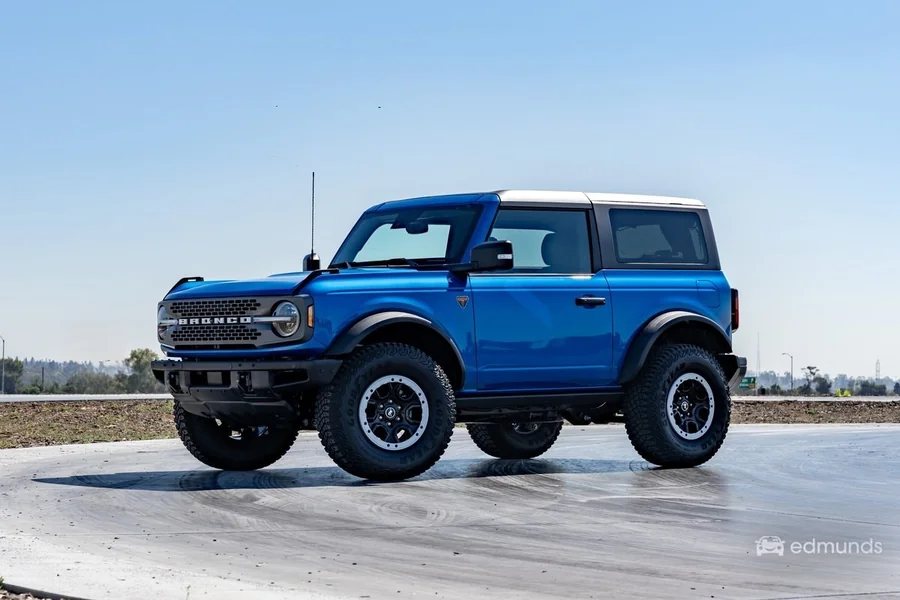
People can usually tell how long or tall a car is just by looking at it next to something they know. But weight is much harder to guess. Most people are surprised by how much cars actually weigh when they look it up.
Knowing a car’s weight is more than just trivia. It’s important for things like how much you can tow, how much weight bridges and parking garages can hold, and weight limits for ferries and ramps. It also matters for people who transport cars, because weight affects the cost and what kind of equipment is needed to move it.
Average Vehicle Weight by Category
Vehicle weight varies dramatically across categories, often more than people expect given how similar two vehicles might look in overall size.
Compact cars, like a Honda Civic or Toyota Corolla, typically weigh between 2,600 and 3,000 pounds. Midsize sedans run a bit heavier, generally in the 3,200 to 3,600 pound range, reflecting the additional structural mass and features that come with a larger vehicle body.
Compact SUVs sit close to midsize sedans in weight, often between 3,300 and 3,800 pounds, while full-size SUVs climb substantially higher – a Chevrolet Suburban or Ford Expedition can weigh 5,300 to 6,000 pounds or more, depending on trim and equipment.
Pickup trucks show the widest range of any category. A standard cab, base-model truck might weigh around 4,000 pounds, while a crew cab, long-bed truck with a heavy-duty drivetrain can exceed 7,000 pounds – nearly double the weight of a compact car.
A Quick Reference Table
|
Vehicle Type |
Typical Weight Range |
| Compact car | 2,600–3,000 lbs |
| Midsize sedan | 3,200–3,600 lbs |
| Compact SUV | 3,300–3,800 lbs |
| Full-size SUV | 5,300–6,000+ lbs |
| Standard pickup truck | 4,000–5,500 lbs |
| Heavy-duty pickup truck | 6,000–7,500+ lbs |
| Electric sedan | 4,000–4,800 lbs |
Why Electric Vehicles Weigh More Than People Expect
One of the more surprising entries on that list is how much heavier electric vehicles tend to be compared to their gas-powered equivalents in the same body size. Battery packs are heavy – often adding 1,000 pounds or more to a vehicle’s total weight compared to a similarly sized gas model. This isn’t a minor detail; it affects everything from tire wear patterns to how a vehicle needs to be loaded and secured during transport, since standard equipment calibrated for a lighter gas vehicle doesn’t always account for the added mass of an EV.
Why Weight Matters More Than Most People Realize
Beyond the obvious relevance to towing capacity and load limits, vehicle weight plays a bigger role than expected in a few less obvious situations.
Parking structures and older bridges often have posted weight limits that a full-size truck or SUV can approach or exceed, particularly when loaded with cargo or passengers. Ferry crossings frequently price based partly on vehicle weight class rather than just length. And car carriers used for long-distance vehicle transport have weight distribution requirements across their decks, meaning a shipment involving several heavy trucks or SUVs needs to be planned differently than one involving several lightweight sedans.
How Weight Affects Vehicle Transport Specifically
This is where vehicle weight moves from a curiosity to something with real practical consequences. Multi-car carriers used for standard open transport have weight limits per deck and per axle, and heavier vehicles – full-size trucks, large SUVs, and electric vehicles in particular – sometimes require different loading configurations or a reduction in how many vehicles a single carrier can transport at once.
This directly affects pricing. A heavier vehicle generally costs more to ship than a lighter one over the same distance, not just because of the vehicle’s physical size but because of how it affects the carrier’s total capacity and fuel costs for that specific route. Anyone comparing quotes for car shipping should expect a truck or full-size SUV to come in higher than a compact sedan on an identical route, largely driven by this weight difference rather than length or width alone.
Weight-Based Pricing: What the Difference Actually Looks Like
To put the weight-pricing relationship in concrete terms, it helps to compare how the same route prices differently depending on vehicle category. While exact numbers vary by carrier, route, and season, the general pattern holds consistently across the industry.
|
Vehicle Type |
Approximate Weight |
Relative Shipping Cost (Same Route) |
| Compact sedan | ~2,800 lbs | Baseline |
| Midsize SUV | ~4,000 lbs | +10–15% over baseline |
| Full-size SUV | ~5,800 lbs | +20–30% over baseline |
| Standard pickup truck | ~5,000 lbs | +15–25% over baseline |
| Heavy-duty pickup truck | ~7,000 lbs | +30–40% over baseline |
| Electric sedan | ~4,500 lbs | +15–20% over baseline |
These figures aren’t fixed – carrier availability, route demand, and seasonal factors all play a role too – but weight consistently ranks among the biggest single drivers of price variation between vehicle types on an identical route.
Why Some Providers Handle This Better Than Others
Not all shipping companies charge the same upfront based on weight. This is often a shock for people shipping for the first time – the quote for a full-size truck looks okay, but then the price changes once the shipping company checks the vehicle’s details. Companies that are clearer about their pricing usually ask about the vehicle’s weight, trim, and any changes when you first get a quote. They don’t wait until after you book to tell you the real cost.
For instance, Monarch Transport Group includes weight-related information in its quotes from the beginning. They specifically ask about the vehicle type, trim level, and any modifications that might affect how it’s loaded. This way, the quotes they give are usually much closer to the final price you actually pay, instead of changing a lot after a carrier is assigned.
If you’re comparing different shipping companies, it’s a good idea to ask them directly: Does the quote already include the vehicle’s actual weight class, or will they figure that out later? The answer usually tells you a lot about how the rest of the process will go.
A Practical Takeaway for Anyone Shipping a Vehicle
For those getting ready to ship a car – whether moving, making an out-of-state purchase, or sending a vehicle to a family member – it’s helpful to know the actual weight of your vehicle, rather than just its general size class, to help set your expectations on both cost and what type of transport equipment you’ll need. Heavy vehicles, especially full-size trucks and EVs, can sometimes benefit from a quick call to the transport provider in advance to double-check that the assigned carrier can handle the specific weight of your vehicle, rather than assuming any standard car carrier will do.
The Bottom Line
Vehicle weight is one of those numbers that rarely gets much attention until it directly affects a real decision – whether that’s confirming a vehicle fits within a parking structure’s posted limit, understanding towing capacity, or getting an accurate quote for long-distance transport. Knowing the general weight range for different vehicle categories and understanding why factors like electric drivetrains push those numbers higher makes it much easier to plan accurately rather than relying on a rough guess that could be off by a thousand pounds or more.