Any DIY enthusiast knows the feeling. You’ve just finished installing a new backsplash, building a custom workbench, or power-washing the patio, and you’re standing in a sea of debris. There’s sawdust in the corners, a mysterious puddle near the drain, and enough drywall dust to coat a small village.
At this stage, a standard household vacuum is useless. In fact, using one for these heavy-duty tasks is a fast track to a burnt-out motor. To truly handle the grit of home improvement, you need a tool designed for the mess. Investing in a high-quality wet dry vac can transform your post-project cleanup from a two-hour ordeal into a ten-minute sweep, allowing you to actually enjoy the results of your hard work.
The Versatility of the Modern Shop Vac
Most people associate these machines with woodworking shops or flooded basements. While they excel in those environments, their utility extends far beyond specialized trades. A wet dry vacuum is essentially a ruggedized suction system that bypasses the delicate filtration and bagged systems found in upright house vacuums.
By utilizing a bypass motor—where the intake air doesn’t pass directly through the electrical components—these machines can safely ingest liquids, sharp metal shards, and fine masonry dust without short-circuiting.
Why a Standard Vacuum Fails at DIY Cleanup
If you’ve ever tried to vacuum up spilled soil or fine sawdust with your daily floor cleaner, you likely noticed a “dusty” smell or a sudden loss of suction. Household vacuums rely on HEPA bags or small canisters that clog instantly when faced with construction-grade debris.
Furthermore, standard vacuums are built for carpet and hardwood. They lack the wide-diameter hoses necessary to swallow wood chips or the waterproof tank required to suck up a spilled gallon of paint or a leaking water heater.
Tackling the “Wet” Side of Home Maintenance
One of the most overlooked benefits of these tools is their ability to handle plumbing mishaps. Whether you are draining a dishwasher that won’t cycle or clearing out a clogged sink, the ability to physically remove gallons of water in seconds is a lifesaver.
Outside the home, these machines are indispensable for cleaning out gutters or sucking debris out of a pool filter housing. Instead of scooping wet, rotting leaves by hand, you can simply vacuum the sludge directly into the drum and dump it into a compost pile.
Optimizing Your Workshop: Dust Extraction 101
For woodworkers, the wet dry vacuum serves as the “lungs” of the shop. Many modern power tools, such as orbital sanders and miter saws, feature dust ports. By connecting your vacuum directly to the tool, you capture the dust at the source before it ever hits the air or your lungs.
This “active” cleanup approach is far more effective than trying to sweep up fine particles later. It keeps your workspace visible and reduces the amount of tracking that happens when you walk from the garage into the main house.
Choosing the Right Size: Gallons vs. Portability
When shopping for a vacuum, you’ll see sizes ranging from small 2-gallon portable units to massive 16-gallon industrial drums.
Small Units (2–5 Gallons)
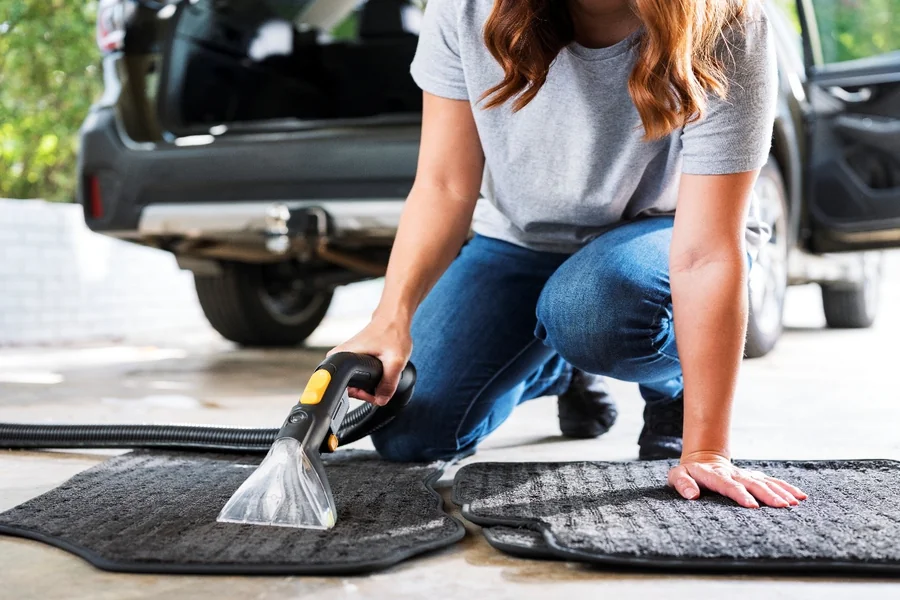
These are ideal for car detailing and small apartment DIY projects. They are easy to store on a shelf and lightweight enough to carry up a ladder.
Medium Units (6–10 Gallons)
This is the “sweet spot” for most homeowners. These units offer enough capacity to handle a minor plumbing leak or a full room renovation without being so heavy that they are difficult to maneuver over extension cords.
Large Units (12+ Gallons)
Best for dedicated workshops or professional job sites. While they offer the most suction power, they can be cumbersome to empty once full of liquid.
Essential Attachments for Home Projects
The machine is only as good as the nozzle at the end of the hose. Most kits come with a variety of accessories:
- Crevice Tool: Essential for getting sawdust out of sliding door tracks and between floorboards.
- Floor Squeegee: The best way to leave a garage floor bone-dry after a spill.
- Utility Nozzle: A wide-mouth attachment for bulkier debris like wood scraps or mulch.
- Extension Wands: These allow you to reach ceiling corners or cobwebs in the garage rafters without a ladder.
Maintenance Tips for Longevity
To keep your vacuum running at peak performance, you must manage the filters correctly. One of the most common mistakes is leaving a paper filter in the machine while vacuuming liquids. This will ruin the filter and potentially cause mold growth.
Always swap to a foam sleeve or remove the paper filter entirely when switching to wet mode. Conversely, when vacuuming fine dust like drywall or soot, ensure you are using a high-efficiency filter or a collection bag to prevent the motor from blowing fine dust back into the room.
Common Mistakes to Avoid
- Ignoring the Float Valve: Most vacuums have a ball-float that shuts off suction when the tank is full of liquid. If your vacuum suddenly changes pitch, stop immediately and empty the tank.
- Neglecting the Hose: Clogs often happen in the “ribs” of the hose. If suction drops, drop a heavy marble or a small ball through the hose to check for obstructions.
- Storing it Wet: Never leave standing water in the tank for days. It will smell, and the humidity can eventually degrade the motor housing.
Wet Dry Vac vs. Traditional Mop: Which is Better?
While a mop is great for sanitizing, it often just pushes dirty water around. For a deep clean in a basement or garage, “flooding” the floor with a cleaning solution and then using a vacuum to suck up the dirty liquid is far more effective. This method pulls the dirt out of the pores of the concrete rather than just wiping the surface.
Actionable Advice for Your Next Project
Before you start your next renovation, set up your vacuum station. Place the unit in a central location and ensure your hose reaches all corners of the work area. By doing a “five-minute sweep” at the end of every hour of work, you prevent the accumulation of debris that makes the final cleanup feel overwhelming.
Frequently Asked Questions
Can I use a wet dry vacuum on carpet?
Yes, but it won’t perform like a traditional vacuum with a beater bar. It is excellent for “spotting” sucking up a spilled drink or cleaning a fresh stain but it won’t pull hair and deep dirt out of carpet fibers as well as an upright model.
Do I need a bag for my vacuum?
Bags are optional but highly recommended for “dry” tasks. They make emptying the vacuum much cleaner and extend the life of your main filter by acting as a first line of defense.
How often should I change the filter?
If you notice a drop in suction or see dust blowing out of the exhaust port, it’s time to clean or replace the filter. For paper filters, you can often tap them against the inside of a trash can to dislodge dust, but they should be replaced annually with heavy use.
Is it safe to vacuum up glass?
Yes. Unlike household vacuums with plastic internal fans that can be nicked by glass shards, most shop vacuums are designed to handle abrasive materials. Just ensure you are wearing eye protection and using a sturdy hose.
Final Thoughts on Post-Project Efficiency
A home project is only truly finished when the space is livable again. By integrating a wet dry vacuum into your workflow, you bridge the gap between “construction site” and “home.” It is a rugged, reliable tool that saves your back, protects your household appliances, and ensures that the only thing left after a long weekend of DIY is a job well done.