Icon Libraries Are Having a Moment (And Not the Good Kind)
Okay, can we just talk about how absolutely chaotic the icon situation has become? Most platforms are basically digital yard sales where designers dump whatever they made during their lunch break and hope someone buys it. You’re out here trying to build interfaces that don’t look like they were designed by five different people who never spoke to each other.
The whole ecosystem runs on main character energy where every icon thinks it’s the star of the show. Someone creates a cute little house icon in one style, another person makes a settings gear that looks like it belongs in a different decade, and somehow these are supposed to live together peacefully in your design system. It’s giving chaotic roommate vibes.
Icons8 looked at this mess and said “bet, we can do better” and actually meant it.
Visual Systems That Don’t Have Identity Crises
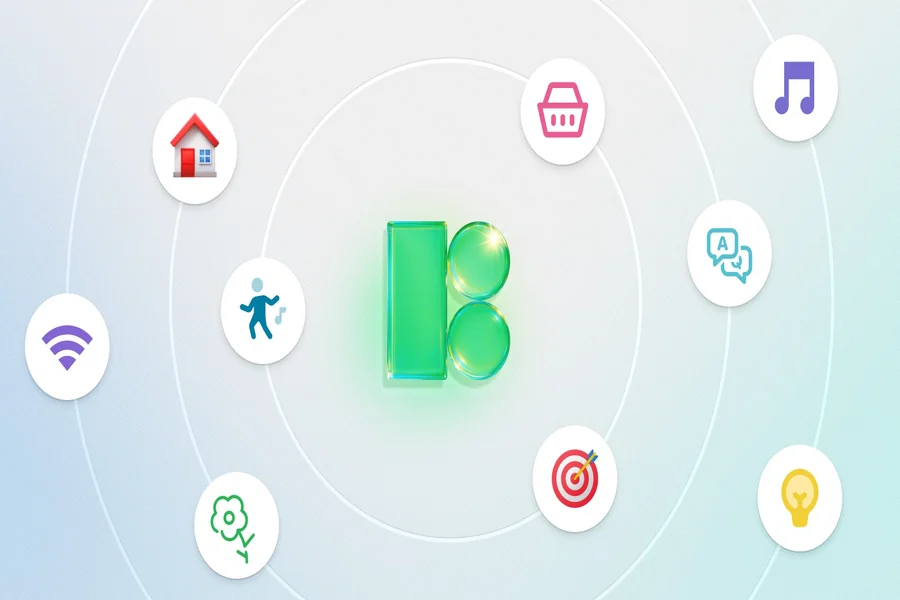
Icons8 did something that should be obvious but apparently isn’t—they built 45 complete design ecosystems where every icon knows its role and sticks to it. Each collection follows the same visual rules without randomly switching aesthetics mid-project.
Their “iOS” style hits different because every single icon actually belongs in the same universe. Your navigation elements won’t be beefing with your action buttons over who gets to be the main character. They all follow the same stroke weights, corner treatments, and visual metaphors like they went to the same design school.
These aren’t just icons that accidentally vibe together when you squint. They’re coordinated families built from shared DNA that someone actually thought through instead of just throwing spaghetti at the wall and seeing what sticks.
Code Output That Won’t Give Your Devs Trust Issues
Most icon exports are straight cursed and make developers want to switch careers. Icons8 generates SVG code that doesn’t look like someone fell asleep on their keyboard while naming variables.
Export options that won’t immediately break your build:
- SVG with markup that makes sense to humans
- PNG without transparency fails that haunt your dreams
- Vector formats that survive the print gauntlet
- Font implementations that don’t require a computer science degree
Interactive states come pre-made because planning ahead is apparently revolutionary. Hover, active, disabled variations exist without you having to manually craft seventeen versions of the same button like you’re stuck in design purgatory.
File organization follows actual human logic instead of whatever fever dream most platforms call “taxonomy.”
Workflow Integration That Gets the Vibe
The plugin game shows Icons8 actually understands how designers work instead of whatever fantasy scenarios other platforms imagine. Figma plugin stays embedded in your workspace—no more tab chaos just to find one icon that doesn’t look like it escaped from Windows 95.
Desktop apps for Mac and Windows actually function without requiring IT support. Adobe plugins give you access to millions of icons without forcing you to abandon your creative flow state for an epic side quest.
Google Workspace integration is clutch for those last-minute presentation moments. Building client decks and need clean assets like free svg resources for your mockups? Right there in Google Docs without the usual export-import choreography.
These integrations work because someone actually tested them in real scenarios instead of just checking if they boot up without crashing.
Pricing That Isn’t Giving Scam Energy
Icons8 pricing avoids the predatory subscription schemes that make most design tools feel like financial torture:
Free tier works with attribution. Perfect for side hustles when your budget is literally just vibes and prayer.
Pro plans start reasonable without artificial scarcity tactics designed to make you feel poor for wanting basic functionality.
Team pricing scales without punishing collaboration, which makes them basically unicorns in the design tool space where sharing usually costs your firstborn.
Educational Impact That Actually Hits
Design school teaches you consistency theory but rarely shows you what professional execution looks like at scale. Icons8 provides real examples of systematic design across thousands of elements that don’t fall apart under pressure.
Most resources tell you consistency matters while showing you absolutely nothing useful. Icons8 demonstrates what systematic design looks like when it’s done right. Student portfolios using coordinated icon families immediately level up from looking like first-semester energy.
Free access means students can build quality work without budget constraints forcing compromises that make portfolios look tragic.
Platform Performance That Won’t Make You Rage Quit
Stable functionality beats flashy features that randomly break. Icons8 handles intensive usage without choking like a 2015 MacBook trying to run modern software. Servers stay functional during crunch time, which apparently qualifies as premium service these days.
Cross-platform compatibility works without creating chaos. Web, desktop, plugins—everything syncs properly instead of creating compatibility nightmares that make you question your life choices.
Search actually finds relevant results instead of random assets that somehow acquired your keywords through mysterious SEO wizardry. Their organization follows logical principles that make sense to actual humans.
AI Tools That Solve Real Problems Instead of Chasing Clout
Icons8 added AI features that address genuine workflow pain points instead of just slapping “AI-powered” stickers on everything:
Background removal that works without destroying edges. Resolution scaling for when you need higher quality without creating digital artifacts. Generated stock photos for when you need diverse representation but licensing makes your brain hurt.
These aren’t disruptive features trying to revolutionize everything. They’re practical tools that solve specific problems efficiently. Sometimes boring competence beats innovative chaos.
Content Strategy Based on Actual Data Instead of Vibes
Icons8 analyzes what people search for but can’t find, then creates those missing pieces. Simple approach that most platforms ignore while chasing whatever gets engagement on design TikTok.
Regular designer interviews inform development instead of just guessing market needs based on whatever’s trending on design Twitter. Data-driven decisions ensure their library evolves based on real requirements rather than algorithmic predictions.
Keeping It Real About Limitations
Icons8 isn’t perfect and pretending otherwise would be straight cap:
Illustration game lags behind their icon strength. Heavy illustration needs require backup platforms because their illustration collection isn’t quite hitting the same energy.
Music library exists but stays limited. Don’t expect to score your entire YouTube content strategy through their audio section.
Customization has boundaries. Heavy modifications defeat the consistency advantage that makes Icons8 valuable initially.
Why This Actually Matters for User Experience
Icons aren’t decorative garnish—they’re functional communication tools that directly impact how users navigate interfaces. They create recognition patterns, reduce cognitive overload, and establish navigation logic users depend on.
Research consistently proves appropriate iconography improves task completion and reduces user confusion. This represents measurable functional improvement, not just aesthetic preference or designer ego satisfaction.
Icons8 succeeds because they understand this core principle. Visual consistency isn’t about winning design awards—it’s about creating predictable experiences that work when users need them.
Real Talk Final Assessment
Icons8 solves one specific problem with legitimate competence: icon consistency across any project scale. They’re not trying to disrupt the entire design industry—just executing systematic icon design really well without the usual startup theater.
Perfect for teams prioritizing efficiency over endless customization rabbit holes. Essential for projects where visual consistency directly impacts user experience. Ideal for anyone tired of icon hunting consuming entire work sessions.
Skip if you need extensive custom illustration work, face budget constraints, or prefer building everything from scratch for the therapeutic value of controlled suffering.
After thorough evaluation, Icons8 delivers what it promises without the overpromising that plagues most design tools. For most design contexts, systematic icon families save enough time to justify costs. Consistency benefits typically outweigh limitations for professional work requiring visual coherence.
Icons8 didn’t revolutionize icons—they just made them work systematically. Sometimes that’s exactly what design workflows need instead of more innovative disruption that breaks everything.