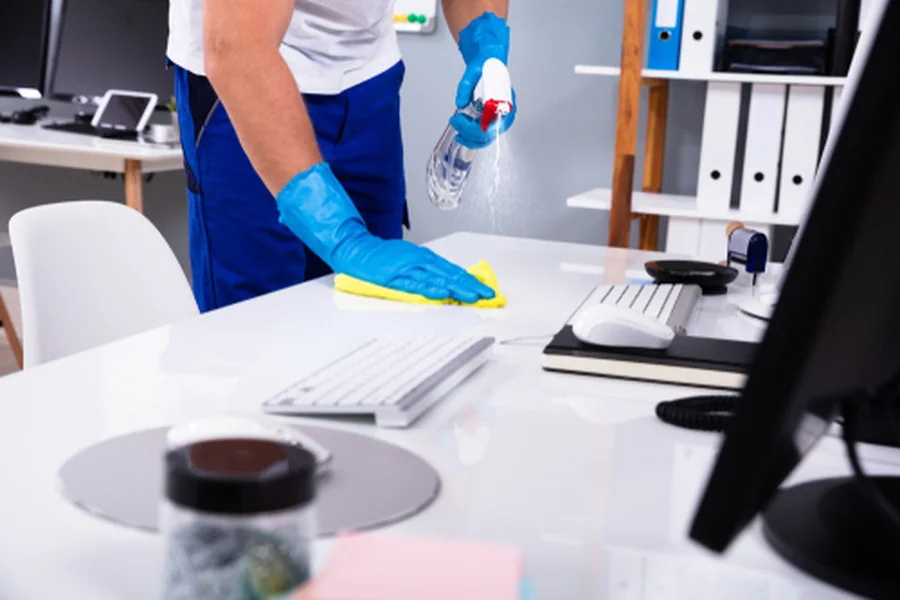
Maintaining a clean office is more than just an aesthetic choice—it directly impacts the health, morale, and productivity of employees. In today’s fast-paced business world, where employees spend a significant portion of their lives at work, creating a clean and organized workspace is essential. Office Cleaning 101 offers insights into effective practices that promote a healthier, safer, and more productive environment.
The Importance of Office Cleaning
A clean office contributes significantly to employee well-being. Dust, allergens, and germs accumulate quickly in a workplace, leading to respiratory issues, allergies, and increased susceptibility to illnesses. According to studies, regular cleaning can reduce employee sick days, boost morale, and improve overall job satisfaction. Moreover, a tidy workspace conveys professionalism to clients and visitors, enhancing the company’s image.
Beyond physical health, cleanliness plays a psychological role. A cluttered or dirty environment can increase stress levels, reduce focus, and diminish productivity. Employees working in organized, sanitary spaces are more likely to feel motivated and efficient.
High-Traffic Areas: Prioritizing Cleaning Efforts
Not all areas of an office require the same cleaning frequency. High-traffic zones such as reception areas, restrooms, and break rooms demand daily attention. Door handles, elevator buttons, shared equipment, and kitchen surfaces are hotspots for germs and should be disinfected regularly. Office carpets, upholstery, and floors accumulate dust and bacteria over time; routine vacuuming, sweeping, and deep cleaning are crucial to maintain a hygienic environment.
Workstations, including desks, keyboards, and phones, should be sanitized frequently. Many employees underestimate the number of germs present on their desks. By encouraging daily wipe-downs and providing disinfectant wipes, businesses can significantly reduce the spread of germs and create a safer workspace.
Implementing a Cleaning Schedule
A consistent cleaning schedule is the backbone of office hygiene. Daily tasks should include emptying trash bins, wiping down surfaces, and cleaning restrooms. Weekly or monthly tasks might involve deep cleaning carpets, washing windows, dusting vents, and polishing furniture. Assigning responsibilities—whether to professional cleaners or in-house staff—ensures accountability and consistency.
In addition, when evaluating automated solutions to support these routines, facility managers often look up reviews for bobsweep bio to understand how well smart cleaning devices can maintain shared spaces with minimal oversight and consistent results.
Green Cleaning: Eco-Friendly Practices
Modern office cleaning emphasizes sustainability. Green cleaning products are non-toxic, biodegradable, and environmentally friendly, reducing harmful chemical exposure for employees. Using eco-friendly products also signals a company’s commitment to sustainability, boosting its reputation among clients and staff.
Simple practices such as recycling, reducing paper usage, and implementing energy-efficient cleaning equipment can complement green cleaning efforts. Encouraging employees to participate in sustainable practices reinforces a culture of responsibility and care for the environment.
Professional Cleaning Services: When to Outsource
While in-house cleaning can manage day-to-day tasks, professional cleaning services provide expertise and resources for deep cleaning and maintenance. Professionals bring specialized equipment and knowledge to handle carpet steaming, window washing, HVAC cleaning, and high-level sanitation. Outsourcing these tasks ensures thorough results, saves time, and allows employees to focus on core business operations.
When selecting a cleaning service, consider factors such as experience, reputation, flexibility, and adherence to safety standards. Regular audits and feedback ensure the service meets the office’s hygiene standards consistently.
Fostering a Culture of Cleanliness
Ultimately, maintaining a healthy office is a shared responsibility. Encouraging employees to keep personal areas tidy, dispose of trash properly, and follow hygiene practices reinforces the overall cleanliness strategy. Small habits, such as wiping keyboards, covering food, and sanitizing hands, can collectively create a safer and more comfortable environment.
Conclusion
Office cleaning is far more than a routine chore—it is a critical investment in employee health, productivity, and company image. By understanding the importance of sanitation, prioritizing high-traffic areas, implementing consistent schedules, embracing eco-friendly practices, and leveraging professional services when needed, businesses can create workspaces that are not only clean but also conducive to efficiency and well-being. A clean office is a thriving office, where employees can focus, collaborate, and perform at their best, knowing that their health and comfort are valued.