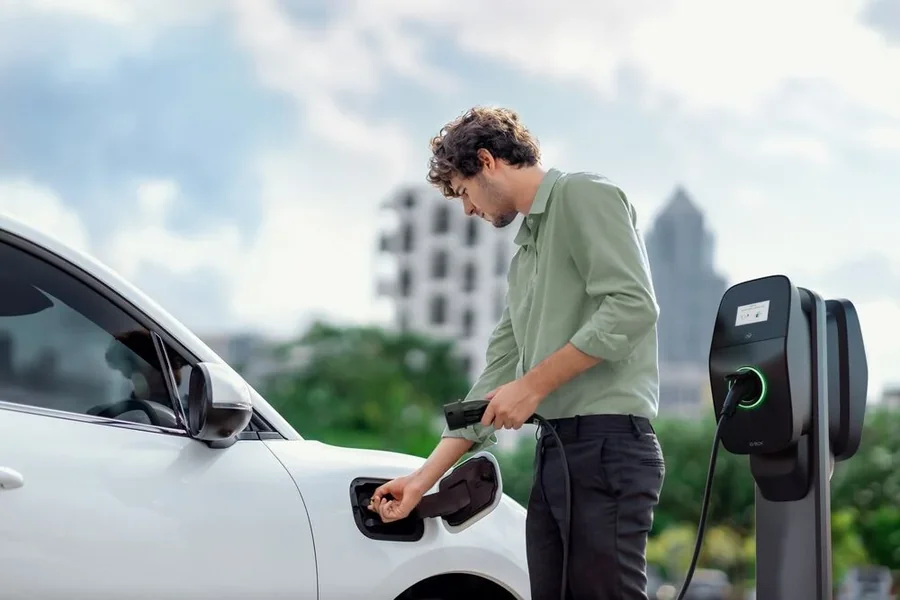
The EV industry is booming — and if you’re in the EV charging solutions space, you already know that opportunity and competition are growing at exactly the same pace. New players are entering the market every month, fleet managers are getting more sophisticated in their buying decisions, and the bar for what a “good” charging provider looks like has never been higher.
Standing out is no longer about having the right hardware. It’s about how you position your business, who you target, how you market yourself, and whether your operations can actually scale when demand picks up. This guide breaks all of that down — practically, honestly, and without the fluff.
Understand Exactly Who You’re Selling To
Before you can grow, you need brutal clarity on your customer. The EV charging market isn’t one market — it’s several, and the buying decisions, pain points, and sales cycles are completely different across segments.
Are you targeting property developers looking to future-proof commercial buildings? Fleet operators managing dozens or hundreds of vehicles? Municipalities building out public infrastructure? Hotels and retailers looking to add a customer amenity? Each of these buyers has a different decision-maker, a different budget cycle, and a very different definition of “value.”
The businesses that grow fastest in this space are the ones that pick a lane and own it. Trying to be everything to everyone sounds like it opens more doors — in practice, it just makes your messaging forgettable and your sales process exhausting.
Write down your top five clients. What do they have in common? That’s your ideal customer profile. Build everything else around it.
Get Your Pricing and Packaging Right
Pricing in the EV charging world is still all over the place, and that’s actually an opportunity. Most providers undercharge for installation complexity, undervalue ongoing maintenance contracts, and fail to package their services in a way that makes the buying decision easy.
A few things worth reviewing:
Bundle maintenance into your offering. Recurring revenue from service contracts is more valuable than one-off hardware installs. Position maintenance as a default, not an upsell.
Tiered packages work. A basic, standard, and premium tier gives buyers a sense of control and almost always nudges them toward the middle option. Single-price-fits-all is leaving money on the table.
Don’t hide your pricing if you can help it. B2B buyers have been trained to distrust suppliers who won’t give ballpark figures upfront. Transparency builds trust, even if the final number varies.
Build a Marketing Engine That Actually Works
This is where most EV charging businesses fall short. The product is solid, the installations go well, the clients are happy — but the pipeline is thin because no one has invested seriously in marketing.
Start With SEO and Content
Your buyers are searching. Fleet managers are Googling “commercial EV charger installation” or comparing providers before they ever pick up the phone. If you’re not showing up in those searches, you’re invisible at the most important moment in their buying journey.
A consistent blog — written for real humans, not just for search engines — builds authority over time. Case studies and installation walkthroughs perform particularly well because they’re specific, credible, and answer the exact questions buyers are asking.
Invest in Paid Advertising Strategically
Organic growth takes time. Paid advertising — done right — lets you put your offer in front of qualified buyers right now. Google Ads targeting high-intent search terms, LinkedIn campaigns reaching fleet or facilities managers, and retargeting people who’ve already visited your site can all work well in this space.
The word “done right” is doing a lot of heavy lifting in that last sentence. Poorly managed PPC campaigns burn budget quickly and generate low-quality leads. Working with a specialist agency that understands B2B lead generation makes an enormous difference. Camel Digital is a B2B-focused digital marketing agency that specializes in paid acquisition — particularly for companies that need to generate qualified inbound leads rather than just clicks. If you’re ready to invest in paid channels, partnering with people who know how to make the numbers work is a smart move.
Don’t Underestimate LinkedIn
If your target customer is a fleet manager, facilities director, or sustainability officer at a mid-to-large company, they’re on LinkedIn. A consistent presence — sharing installation photos, client stories, industry commentary — positions you as the obvious choice when they’re ready to buy. It’s slow, but the compounding effect is real.
Ask for Reviews and Referrals Systematically
Most EV charging businesses get referrals. Very few have a system for it. After every successful installation, send a short email asking for a Google review and mentioning your referral program. That’s it. You’d be surprised how many people just needed to be asked.
Go After Fleet Business With a Dedicated Strategy
Fleet operators are the fastest-growing segment in the commercial EV charging market — and they’re also the most complex to sell to. Procurement processes, multi-site requirements, uptime guarantees, and back-office software integration all come into the conversation. But the deal sizes are larger, the contracts are longer, and the lifetime value of a fleet client dwarfs that of a single-site install.
If you want to grow in this direction, you need to productize your offering for fleet clients specifically. That means a dedicated landing page, dedicated case studies, and messaging that speaks directly to the problems fleet managers lose sleep over: vehicle downtime, driver range anxiety, charging costs at scale, and reporting for sustainability targets.
Positioning your company around comprehensive ev fleet charging solutions — rather than just general EV installation — signals to procurement teams that you understand their world. It’s a small shift in language that makes a big difference in how seriously you’re taken in competitive bids.
Fix Your Sales Process
A lot of EV charging businesses generate decent leads and then lose them somewhere in the follow-up process. The sales cycle in commercial charging is longer than most people expect — site assessments, procurement approvals, grid connection timelines — and leads go cold if they’re not nurtured properly.
Speed matters on first contact. If someone fills in a contact form, they should hear from you within a few hours. Not the next day. The conversion rate difference is dramatic.
Use a CRM. It doesn’t need to be sophisticated. HubSpot’s free tier is enough for most small-to-mid-sized operations. The point is having visibility into where every lead is, and what the next action is.
Send proposals that sell. A PDF with a line-item cost breakdown isn’t a proposal. A good proposal tells the client’s story back to them — here’s your situation, here’s what we recommend, here’s why, here’s what it costs, here’s what happens next. It sounds like more work, but templated proposal software like PandaDoc makes it fast.
Partnerships Can Accelerate Growth Faster Than Anything Else
In the EV charging space, the right partnerships can open doors that marketing alone can’t. A few worth pursuing:
EV dealerships and leasing companies. When a business buys a fleet of EVs, charging infrastructure is the immediate next conversation. Being the recommended installer for a local dealer or leasing company puts you in front of warm buyers at the perfect moment.
Property developers and architects. EV charging is increasingly a requirement in new commercial builds. Getting onto the preferred supplier list for even one active developer can generate a steady stream of new projects.
Energy consultants and sustainability advisors. Companies working with consultants on their carbon reduction strategy will often need charging infrastructure as part of that plan. Consultants need trusted suppliers to refer to — be that supplier.
Utility companies. Some utilities run incentive programs or preferred installer networks for EV charging. It’s worth a call to your local provider to understand what’s available.
Operations and Reputation: The Foundation Everything Else Stands On
None of the growth strategies above work if your core operations are inconsistent. In a market driven by word-of-mouth and repeat business, your reputation is your most valuable asset.
A few things that separate the businesses that scale from the ones that plateau:
Installation quality is non-negotiable. Sloppy cable runs, unclear labeling, and rushed commissioning create problems — and those problems always seem to surface right before a client refers someone your way.
Responsive aftercare builds loyalty. When something goes wrong with a charger (and sometimes it will), how fast you respond and how professionally you handle it determines whether that client stays for ten years or churns after the warranty expires.
Document everything. Site surveys, installation photos, handover certificates, software credentials. A professional handover pack makes you look like an outfit that’s been doing this for years — even if you’re still growing.
Track the Right Numbers
You can’t improve what you don’t measure. A few metrics that actually matter for an EV charging business:
Lead-to-proposal conversion rate — how many enquiries turn into formal proposals? If this is low, your qualification or follow-up process needs work.
Proposal-to-close conversion rate — how many proposals result in a signed contract? If this is low, look at your pricing, your follow-up cadence, and whether your proposals are compelling enough.
Revenue per installation — are you capturing the full value of each project, including maintenance, software, and future upgrades?
Customer lifetime value — how much does a typical client spend with you over three to five years? This number should be driving your decisions about how much to spend on acquisition.
Final Thought
The EV charging market is one of the few sectors where demand is structurally guaranteed to grow for the next decade. That’s an extraordinary position to be building a business in. But guaranteed demand doesn’t mean guaranteed success — the businesses that will win are the ones that get serious about positioning, marketing, sales process, and customer experience now, before the market gets even more crowded.
Pick two or three things from this guide that feel most relevant to where your business is today, and start there. Consistent progress on the fundamentals will outperform any single tactic every time.