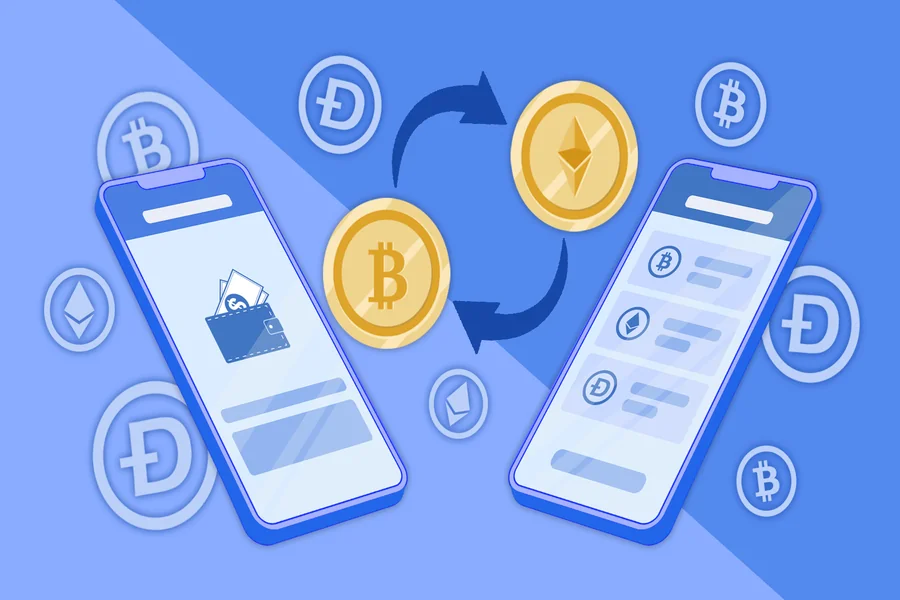
Trading digital assets continues to evolve as more people look for safer and more private ways to exchange cryptocurrencies. Non-custodial crypto exchanges have gained attention because they allow users to trade without giving up control of their funds. They offer a direct and secure method to manage digital assets while keeping ownership in the user’s hands.
This approach appeals to those who value privacy, independence, and faster transactions. It removes the need to trust a central authority and reduces risks tied to hacks or account freezes. As interest in decentralized trading grows, understanding the benefits of non-custodial exchanges helps traders make smarter and more confident decisions in the crypto market.
Full control over private keys improves security and ownership
Traders who use a non-custodial exchange keep full control of their private keys. This control means no third party holds their assets, reducing the chance of loss through hacks or platform failures. A DEX crypto platform allows users to trade directly from their wallets without giving up access to their funds. Private keys act as proof of ownership in the crypto world. Holding them directly gives traders true authority over their coins and tokens. In contrast, custodial exchanges manage keys on behalf of users, which can expose assets to external risks.
This setup also supports stronger privacy. Since users handle their own keys, they decide how and where to store them. As a result, they maintain both independence and accountability for their security choices.
For traders who value control and transparency, non-custodial exchanges provide a practical way to manage assets safely while staying connected to the broader decentralized market.
Wallet-to-wallet trading eliminates the need to trust a central party
A non-custodial crypto exchange allows traders to keep control of their funds at all times. Each trade happens directly between digital wallets, so no central authority holds user assets. This setup reduces the risk of loss from hacks or mismanagement by a third party.
Wallet-to-wallet trading also supports greater privacy. Since users trade straight from their own wallets, they share less personal information with outside services. This approach gives traders more independence and limits exposure to potential data breaches.
In addition, direct swaps through smart contracts remove the need to rely on an intermediary. The system executes trades automatically once both sides meet the agreed conditions. As a result, traders can verify transactions themselves instead of trusting a central operator to manage them.
No KYC requirements preserve user privacy and anonymity
Non-custodial exchanges without KYC rules allow traders to keep their personal data private. These platforms do not ask for names, addresses, or ID documents. As a result, users can trade digital assets without exposing their identity to a central database.
This structure reduces the chance of data leaks or identity theft. Many traders value this because centralized exchanges often collect large amounts of personal information that can become a target for hackers.
In addition, skipping KYC steps helps users access markets faster. They can trade right after connecting a wallet instead of waiting for approval. This direct access supports privacy-focused traders who prefer to stay anonymous while still following the law in their region.
Overall, no-KYC non-custodial exchanges give users more control over their personal information and trading activity. This approach aligns with the original idea of cryptocurrency—financial freedom with minimal data collection.
Reduced risk of exchange hacks due to decentralized custody
A non-custodial crypto exchange gives traders full control of their funds instead of handing them to a central authority. Each user keeps private keys in their own wallet, which limits the chance of large-scale breaches that often target centralized exchanges.
Hackers usually attack exchanges that store customer assets in shared accounts. Because non-custodial platforms do not hold user funds, attackers have fewer entry points to exploit. This structure greatly cuts the risk of losing assets through a single security failure.
In addition, trades occur directly between user wallets through smart contracts. This process removes the need to trust a third party with deposits or withdrawals. As a result, users maintain ownership of their assets at all times.
This decentralized approach supports better transparency and independence. Traders can move or access their funds even if an exchange faces technical issues or regulatory actions that affect centralized platforms.
Faster transaction settlements without intermediary delays
A non-custodial crypto exchange allows traders to move assets directly from one wallet to another. This setup removes the need for third parties to approve or process transactions, which often causes slowdowns in traditional systems. As a result, trades complete faster and funds become available almost instantly.
Traditional exchanges often rely on custodians and settlement layers that can delay withdrawals or transfers. By contrast, non-custodial platforms use blockchain networks to record and confirm transactions in real time. This direct structure reduces waiting periods and lowers the chance of processing errors.
Faster settlements also help traders react quickly to market changes. They can close positions, rebalance portfolios, or move funds without delay. Therefore, non-custodial exchanges not only speed up trading activity but also improve overall efficiency for users who value time-sensitive decisions.
Conclusion
Non-custodial crypto exchanges give traders direct control of their digital assets. They trade straight from personal wallets, so no third party holds their funds. This setup reduces risks tied to hacks or platform failures.
These platforms also support privacy and transparency. Each transaction takes place on the blockchain, which allows users to verify activity without exposing personal data.
As more traders value control and security, non-custodial exchanges stand out as a practical choice. They reflect the original goal of cryptocurrency—financial independence through self-custody and trustless exchange.