A False Sense of Security
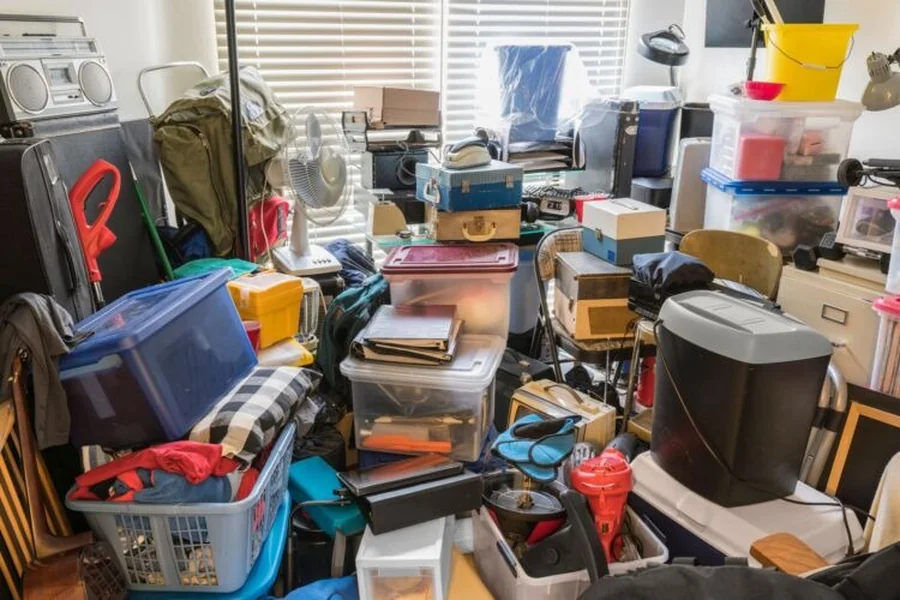
For many people, safety is linked to preparation. We create routines, buy locks, and even save for emergencies. These actions make sense and give us comfort. But for someone who struggles with hoarding, safety takes on a different form. Piles of objects and stacks of things start to feel like armor. The illusion is powerful: possessions seem to promise emotional and even physical protection. Yet in reality, this sense of safety is fragile and deceptive. It’s worth remembering that true protection doesn’t come from clutter. Think about the difference between stockpiling old magazines and setting aside money for a rainy day. One has no lasting benefit, while the other builds real security. For example, learning the emergency fund definition helps us understand that financial resources—not unnecessary items—are what genuinely protect us when life throws surprises our way.
Why Objects Feel Protective
The human brain naturally looks for ways to manage fear and uncertainty. For some, possessions become symbols of control. Keeping items can feel like preparing for “what if” scenarios: what if I need this tool later, what if that receipt proves important, what if this broken chair can be fixed someday. Each object becomes a placeholder for comfort or readiness. The problem is that the more possessions pile up, the less effective they become at reducing fear. Instead of calming worries, they multiply them. Rooms fill with clutter, and daily life becomes harder to manage. The sense of safety that started the behavior eventually backfires.
The Emotional Trade-Off
At first, possessions can feel like shields against stress. The act of holding onto something temporarily soothes anxiety. But this comes with a trade-off. Over time, the clutter leads to embarrassment, isolation, and guilt. Inviting friends over becomes stressful. Simple tasks like cooking or paying bills get buried under stacks of stuff. What started as an emotional defense ends up creating even more distress. The cycle is cruel: the very behavior meant to bring peace builds new layers of discomfort and dysfunction.
When Safety Turns into Suffocation
There’s also a physical toll. Hoarding isn’t just messy—it can be unsafe. Narrow hallways, unstable piles, and hidden hazards increase the risk of accidents. What was meant to create protection instead introduces danger. Firefighters often describe how cluttered spaces make it harder to save lives during emergencies. In these cases, the illusion of safety is not only false but harmful. The home, which should be a place of comfort, becomes a source of ongoing stress and risk.
The Role of Fear and Memory
Part of the power of hoarding comes from memory and emotion. An object may remind someone of a loved one, a special event, or a feeling they want to preserve. Fear of losing that connection makes it difficult to let go. On top of that, memories tied to scarcity or instability in the past can fuel the idea that keeping items is necessary for survival. These memories blend with current fears, convincing the mind that possessions are the only barrier against chaos. But as the piles grow, the line between memory, fear, and reality gets blurred.
Breaking the Illusion
The hardest part about hoarding is recognizing that safety isn’t built on objects. Breaking the illusion starts with small steps: asking whether an item truly serves a purpose, whether it adds value, or whether it only fuels fear. Professional support, therapy, and even compassionate conversations with trusted people can help loosen the grip of possessions. What makes this process powerful is the realization that safety comes from choices, boundaries, and healthy coping strategies—not from endless accumulation.
Finding True Security
True security isn’t about holding onto everything. It’s about creating stability that lasts. Building financial safety nets, fostering strong relationships, and developing emotional resilience are healthier ways to feel protected. For instance, setting up savings or understanding how an emergency fund works creates real support for unexpected challenges. Emotional safety comes from leaning on supportive people and learning to manage stress in constructive ways. Physical safety grows from having a clean, uncluttered space where you can move freely and live comfortably.
Conclusion: Beyond the Piles
Hoarding convinces people that objects are their safety net. But the protection is only an illusion. Instead of easing anxiety, the behavior slowly builds a cage of stress, dysfunction, and even danger. Stepping beyond that illusion doesn’t happen overnight, but each step toward letting go of clutter makes room for genuine security. When safety is built on strong foundations—like financial preparedness, supportive relationships, and a clear living space—it no longer crumbles under pressure. Real protection isn’t found in piles of possessions; it’s found in the freedom to live without fear.